Comprehensive Guide to Limestone Floor Restoration Services: Key Insights for Homeowners
-
- Limestone is a porous, acid-sensitive stone that requires expert care to maintain its beauty and structural integrity over time.
- Common issues include dullness, etching, staining, grout erosion, and lippage, often resulting from foot traffic, accidental spills, and improper cleaning methods.
- DIY cleaning attempts can exacerbate damage, particularly through the use of acidic or abrasive products that are unsuitable for limestone surfaces.
- Professional restoration services include thorough inspection, deep cleaning, diamond honing, regrouting, and sealing, all tailored to meet the specific needs of the stone based on its condition and environment.
- Sealants should be breathable and UV-stable; the choice of sealant depends on the room's specific usage (e.g., kitchens, bathrooms, historic interiors).
- Case studies from London residences demonstrate successful restorations in kitchens, hallways, and bathrooms achieved through expert techniques and care.
- Post-restoration maintenance involves using pH-neutral cleaning products, reapplying sealants, and avoiding steam or harsh chemicals to maintain the finish effectively.
- London Stone services areas across Central, North, South, East, and Greater London, catering to both historic properties and commercial establishments.
What Makes Limestone Restoration Services Unique?
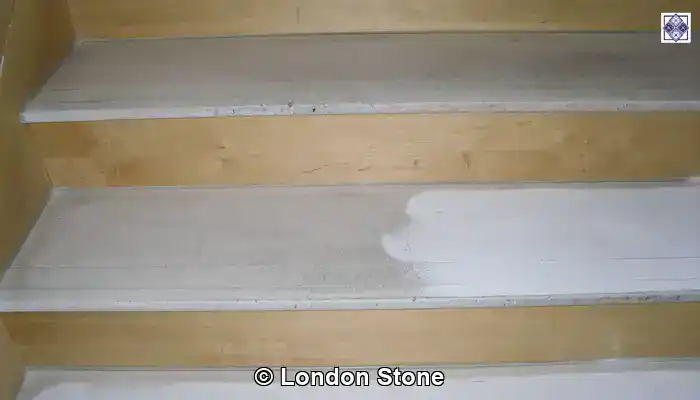
Limestone flooring adds a touch of timeless elegance to both residential and commercial spaces throughout London. Its soft, natural hues and delicate veining make it a preferred choice for hallways, kitchens, bathrooms, and even heritage properties. However, while limestone is undeniably stunning, it is also among the more fragile natural stones, necessitating specialized care to preserve its appearance and structural integrity over time. Without such attention, its beauty can fade, leading to costly repairs and diminished aesthetics.
Expert Recommendations: Ideal Products for Daily Limestone Maintenance
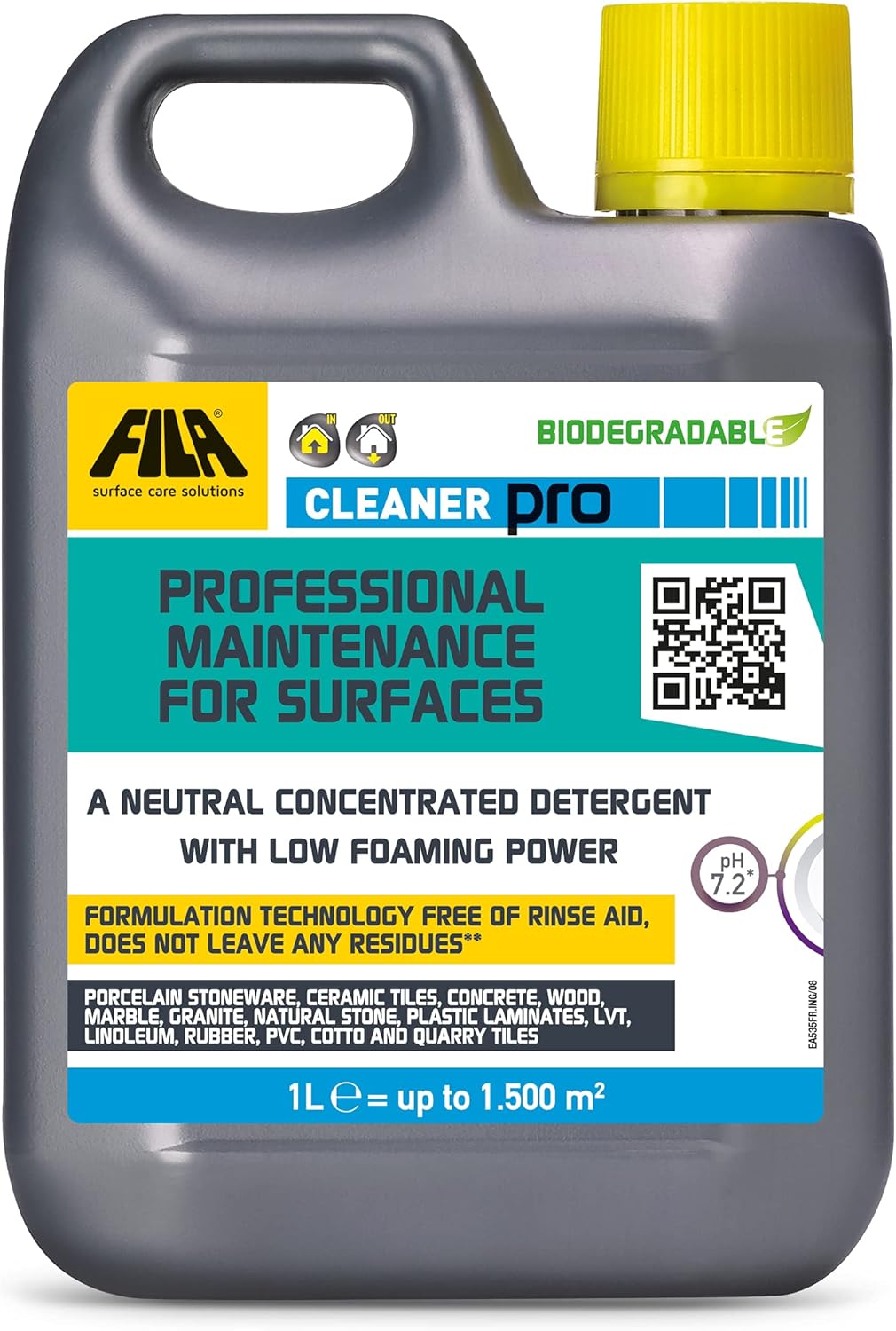
Fila Pro Floor Cleaner
|
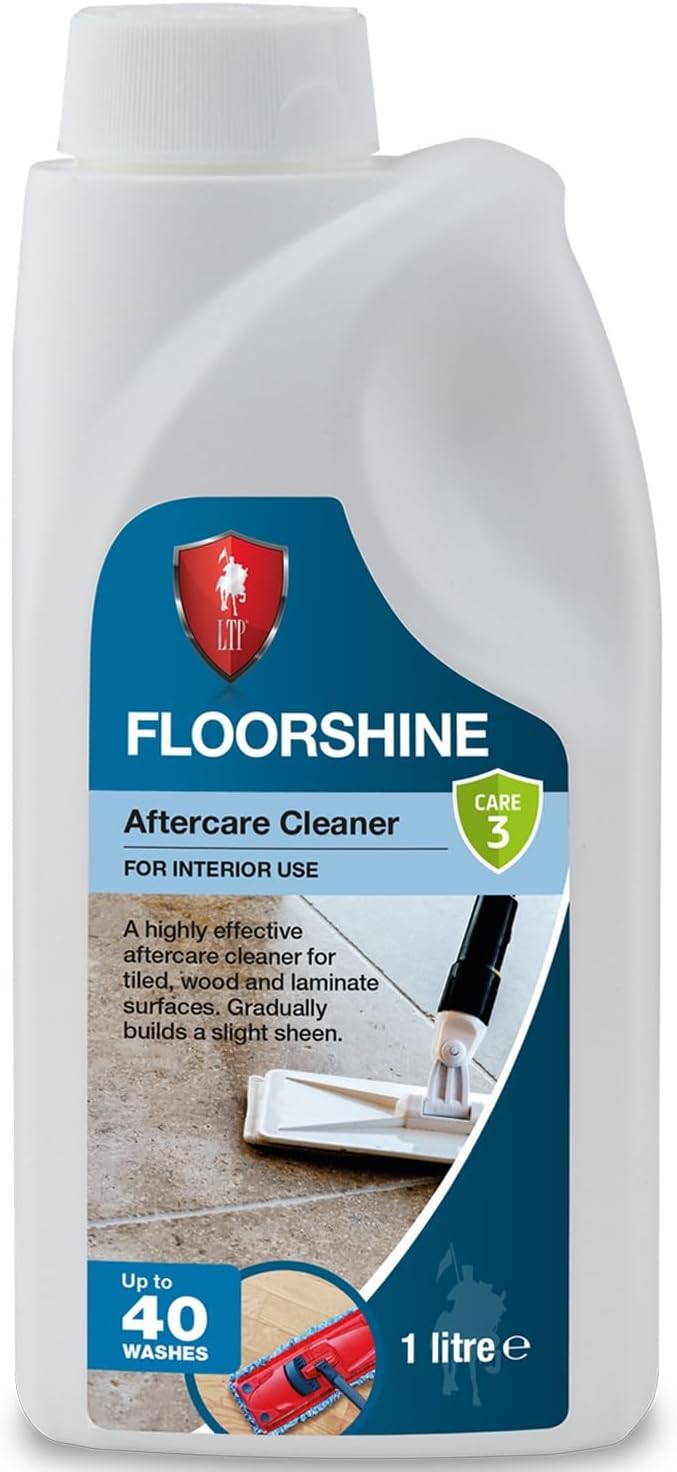
LTP Floorshine
|
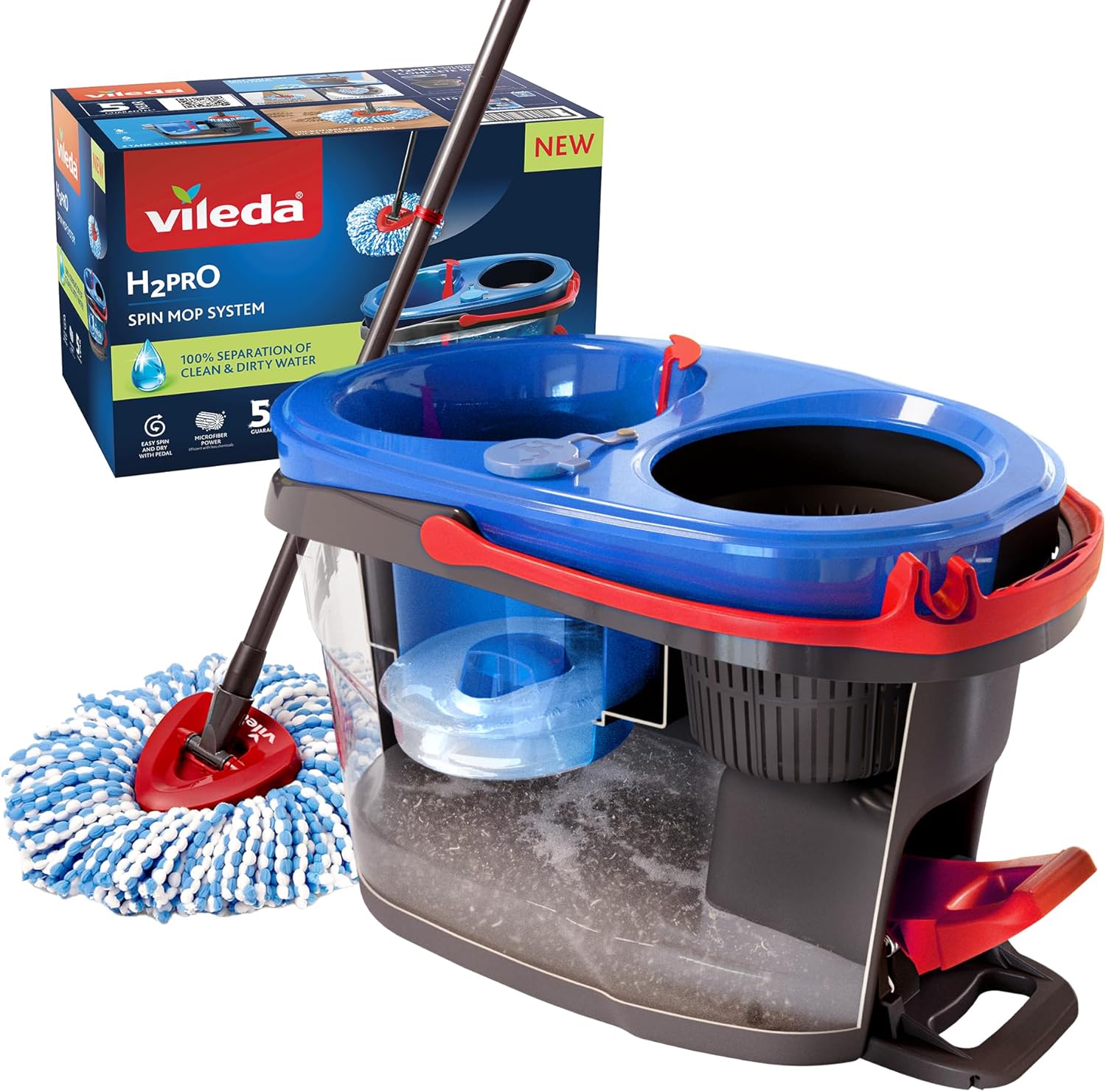
Vileda H2PrO Spin Mop System
|
Understanding Limestone: The Characteristics of This Natural Stone Surface
Unlike granite or porcelain, limestone is a sedimentary rock formed over millions of years from compressed marine materials and organic minerals. Its unique composition renders it relatively porous and sensitive to acidic substances, leading to potential absorption of moisture, cleaning agents, and spills. This vulnerability can result in common problems such as staining, etching, and surface erosion, particularly in high-traffic areas and rooms subjected to frequent cleaning routines. Understanding these characteristics is essential for appropriate care and maintenance.
Recognising Common Limestone Floor Problems in London Homes
Homeowners frequently observe their limestone floors losing their natural luster, developing uneven patches, or exhibiting signs of pitting and grout deterioration. These issues extend beyond mere aesthetics; when sealants degrade or grout erodes, moisture can infiltrate the stone and underlying subfloor, leading to serious structural complications. In heritage buildings, this can jeopardise original flooring and result in expensive repairs. Regular maintenance and timely restoration efforts are critical to preserving the integrity of these beautiful surfaces.
Why Do DIY Cleaning Efforts Often Exacerbate Limestone Floor Damage?
Generic stone cleaning products and off-the-shelf sealants may seem convenient, but they seldom suit limestone effectively. Acidic or alkaline substances can etch the surface, leaving dull patches or streaks. Inadequate sealing can trap moisture or fail to adhere to the stone’s porous structure. Without appropriate tools and expertise, DIY efforts often inflict more harm than good—particularly when dealing with fragile finishes or uneven tile arrangements. Seeking professional guidance can help prevent further damage and ensure the longevity of your limestone flooring.
The Significance of Professional Limestone Restoration Services
Professional limestone restoration transcends mere surface cleaning. It commences with a comprehensive inspection to pinpoint the root causes of damage—whether stemming from improper sealing, acidic spills, or wear due to foot traffic. Restoration experts employ pH-neutral cleaning solutions that effectively extract ingrained dirt without harming the stone, followed by diamond honing to smooth out scratches and restore a uniform finish. Grout lines are repaired or replaced, and breathable, UV-stable sealants are applied to shield the stone from future deterioration. This thorough approach ensures that your limestone maintains its beauty and functionality over time.
Protecting Heritage Flooring Through Expert Restoration Techniques
Whether your limestone flooring is situated in a contemporary townhouse or a listed property, restoration represents an investment in both aesthetic appeal and long-lasting durability. With appropriate care, limestone can endure for decades—providing a warm, natural surface that enhances any environment. However, it requires more than just a mop and bucket to maintain its integrity. Specialized restoration ensures that your floor not only looks its best but also performs optimally year after year. Engaging professionals can help you achieve the best results for your investment.
Exploring the Depths of Limestone Flooring
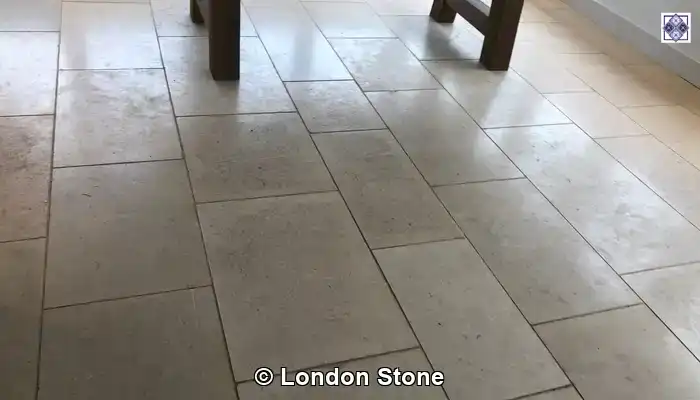
Limestone ranks among the most commonly utilised natural stones in UK homes, valued for its warm hues, subtle textures, and versatility in complementing both modern and traditional interiors. Yet, beneath its sophisticated exterior lies a material that is surprisingly sensitive—and this sensitivity is precisely why restoration must be executed with utmost care. Ensuring that restoration methods are tailored to the specific type of limestone can make a significant difference in the longevity and appearance of the flooring.
What Is Limestone? A Distinctive Sedimentary Stone
Limestone is a sedimentary rock formed over millions of years from compacted marine organisms and minerals. Its composition primarily consists of calcium carbonate, which imparts a soft, chalky texture and inherent porosity. This porosity is what makes limestone highly receptive to polishing and sealing; however, it also renders it vulnerable to staining, etching, and moisture damage. Understanding this balance is essential when selecting cleaning and maintenance products.
Unlike granite or quartzite, limestone does not possess resistance to acids. Even mild acidic substances, such as lemon juice, vinegar, or certain household cleaning agents, can react adversely with the surface, resulting in dull spots known as etching. This is particularly prevalent in kitchens and bathrooms, where spills and cleaning routines are frequent. Awareness of these risks is crucial for anyone considering limestone for their home.
Why Does Limestone Demand Tailored Restoration Techniques?
Due to its softness and absorbency, limestone cannot be treated in the same manner as harder stones. Restoration necessitates a careful balance of cleaning, honing, and sealing—each step customised to the stone’s condition and surroundings. For instance, a hallway floor subjected to muddy boots and continuous foot traffic will require more intensive cleaning and a more robust sealant than a lightly utilised guest bathroom. This bespoke approach ensures that each floor is well cared for and retains its aesthetic appeal.
Professional restoration begins with evaluating the stone’s finish—whether it’s honed, polished, or tumbled—followed by assessing the degree of wear. Subsequently, specialists utilise pH-neutral cleaners to remove embedded dirt without damaging the surface, coupled with diamond abrasives to smooth out scratches and restore uniformity. The final step encompasses sealing, which safeguards the stone from future damage while permitting it to breathe. This comprehensive process is crucial for maintaining the quality of limestone flooring.
Comparing Limestone to Other Natural Stones: Its Unique Traits
When compared to marble, limestone is less dense and more susceptible to surface erosion. Against travertine, it boasts a finer grain and fewer natural voids, yet still necessitates regular sealing to maintain its appearance. These distinctions imply that restoration techniques must be tailored—not merely replicated from one stone type to another. Homeowners frequently presume that all stone floors can be treated uniformly. However, applying a marble polish on limestone or using a generic sealant can lead to streaking, residue buildup, or even long-term damage. This is why collaborating with a specialist who comprehends limestone’s unique properties is crucial for achieving optimal results.
How to Identify When Your Limestone Floor Needs Restoration
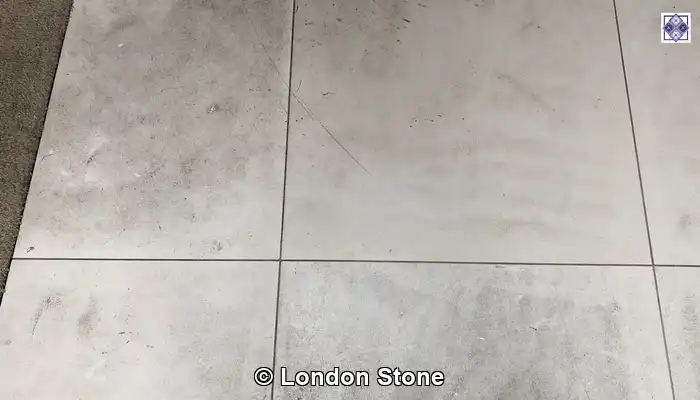
While limestone may be durable, it is far from impervious to wear and tear—particularly in busy London homes where foot traffic, spills, and cleaning routines exert considerable influence. Recognising the early warning signs of damage is crucial to preventing long-term deterioration and avoiding costly repairs. Early intervention can save homeowners significant time and money.
Recognising Surface Dullness and Loss of Natural Luster
One of the initial signs that your limestone floor requires attention is a noticeable reduction in its natural shine. Over time, micro-abrasions from dirt, shoes, and cleaning tools can wear down the surface, rendering it flat and lifeless. This dullness is particularly common in hallways, kitchens, and other high-traffic areas. Taking action at this stage is essential, as professional polishing can restore the original finish, but it is vital to act before more profound damage occurs. If the floor no longer reflects light uniformly or feels rough to the touch, it's indicative of the need for restoration.
Identifying Etching and Staining from Daily Use
Limestone’s calcium-rich structure renders it exceptionally sensitive to acids. Even gentle substances like lemon juice, wine, or vinegar can result in etching—those pale, chalky marks that seemingly appear spontaneously. Similarly, spills that are not promptly addressed can seep into the stone, causing stubborn stains. These imperfections are not merely superficial; they frequently indicate that the sealant has deteriorated, exposing the stone to further damage. Restoration involves not only cleaning and polishing but also reapplying a protective sealant that aligns with the room’s specific conditions to prevent future issues.
Recognising Grout Erosion and Discolouration Issues
Grout lines hold significant importance for the stability and aesthetic appeal of your limestone floor. When grout begins to crack, crumble, or change colour, it can facilitate moisture penetration beneath the tiles—compromising adhesion and encouraging mould growth. In older installations, grout may have been applied inadequately or with an incorrect formulation. Restoration includes removing compromised grout and replacing it with a colour-matched, durable blend that complements the stone and effectively seals the joints. This process is vital for maintaining both the integrity of the flooring and the overall aesthetics of the space.
Addressing Uneven Tiles and Lippage for Safety
Lippage refers to the height discrepancy between adjacent tiles, and it represents more than a mere aesthetic flaw—it can pose a tripping hazard. Over time, subfloor movement or improper installation can lead to tile displacement, creating sharp edges or uneven surfaces. Professional restoration addresses lippage through careful grinding and leveling, ensuring a smooth, safe walking surface. This is particularly critical in homes with children, elderly residents, or areas where bare feet are customary, such as bathrooms. Ensuring the safety of your flooring is paramount and requires immediate attention.
Removing Embedded Dirt That Resists Standard Cleaning Methods
If your limestone floor appears dirty even after mopping, the issue may extend beyond surface grime. The porous nature of the stone, combined with worn sealants, allows dirt to settle into microscopic pits and grout lines, making it nearly impossible to clean with conventional methods. Specialist restoration employs pH-neutral cleaners along with mechanical agitation to extract embedded soils without causing harm to the stone. The outcome is a visibly cleaner, healthier floor that is easier to maintain moving forward, encouraging ongoing care and attention.
Understanding Our Expert Limestone Restoration Process
Restoring a limestone floor is not solely about enhancing its appearance; it's also about preserving the stone’s integrity and ensuring optimal performance over the long term. At London Stone, our restoration process is meticulously designed to address both surface-level issues and underlying structural concerns, utilising specialised tools and techniques tailored to each floor’s condition. Our commitment to quality ensures that every project meets the highest standards.
Comprehensive Initial Inspection and Stone Assessment
Every restoration project begins with a comprehensive inspection. We evaluate the type of limestone, its finish (honed, polished, tumbled), and the extent of wear or damage. This includes checking for etching, staining, lippage, grout erosion, and the condition of the sealant. Understanding the stone’s history and environment—whether it’s a busy hallway, a damp bathroom, or a heritage-listed space—guides us in determining the most effective approach for restoration. This tailored assessment is crucial for achieving the best possible outcome.
Thorough Cleaning with pH-Neutral Solutions
Limestone’s porous surface tends to trap dirt and cleaning residues over time, especially when sealants have weakened. We utilise pH-neutral cleaners specifically formulated for natural stone to extract embedded soils without harming the surface. Mechanical agitation tools assist in dislodging grime from grout lines and microscopic pits, restoring a clean, uniform base for subsequent treatment. This meticulous cleaning process sets the stage for effective restoration and long-lasting results.
Diamond Honing and Surface Refinement Techniques
Once the floor is thoroughly cleaned, we initiate the honing process using diamond abrasives. This stage smooths out scratches, etching, and uneven patches, restoring the stone’s natural texture and preparing it for polishing. Depending on the desired finish—whether matte, satin, or high-gloss—we adjust the grit level and technique to achieve consistent results across the entire surface. The honing process is vital for achieving a flawless finish that enhances the stone’s natural beauty.
Grout Repair and Regrouting Procedures
Damaged or discoloured grout is meticulously removed using precision tools that safeguard the surrounding stone. We then apply a colour-matched grout blend that complements the limestone and effectively seals the joints. In high-traffic areas, we may recommend epoxy grout for enhanced durability and stain resistance. This attention to detail ensures that the grout not only looks appealing but also functions effectively to protect the flooring.
Sealant Choice and Professional Application
The final step involves sealing. We employ breathable, UV-stable sealants that protect the stone from moisture, staining, and surface erosion while permitting it to release trapped vapours. Sealants are selected based on the specific conditions of the room—kitchens may require oil-resistant formulas, while sunlit areas benefit from UV protection. The application is executed evenly and professionally to ensure complete coverage without streaks or residue. This meticulous sealing process is critical for prolonging the life of your limestone flooring.
Final Inspection and Tailored Maintenance Guidance
Upon completion of restoration, we conduct a final walkthrough with the client to ensure satisfaction and offer tailored maintenance advice. This includes recommendations for daily cleaning, sealant top-ups, and periodic inspections to keep the floor looking its best. Providing ongoing support and clear maintenance strategies is integral to ensuring your limestone floor remains in excellent condition for years to come.
Why Choose London Stone for Your Limestone Restoration Needs?
When it comes to restoring limestone floors, experience and precision are paramount. At London Stone, we merge specialised knowledge with hands-on expertise to deliver results that transcend surface-level improvements. Our approach is customised, transparent, and grounded in years of experience with natural stone in residential homes, heritage buildings, and commercial environments across London. This combination of skill and dedication ensures exceptional results for every client.
Proven Expertise in Natural Stone Restoration
Limestone is not a uniform material. Its porosity, mineral makeup, and finish vary greatly depending on its origin and installation. Our team comprehends these nuances and implements restoration techniques tailored to each floor’s unique requirements. From diamond honing to epoxy regrouting, each step is executed with precision and meticulous care. Our diverse portfolio includes successful projects in Georgian townhouses, modern lofts, and heritage buildings, all showcasing our ability to address specific challenges effectively.
Use of Professional Tools and Stone-Safe Products
We employ professional-grade equipment and stone-safe products that are not available in DIY kits or typical cleaning services. Our pH-neutral cleaners, breathable sealants, and dust-free grinding systems are specifically chosen to protect your limestone while delivering a flawless finish. Whether your floor requires a satin sheen or a high-gloss polish, we customise the treatment to align with your aesthetic preferences and the stone’s condition. Our commitment to using the best products ensures lasting results.
Transparent Service with Tailored Solutions
At London Stone, we believe in straightforward communication and honest pricing. Every restoration project begins with a detailed consultation and a written quote outlining the scope of work and anticipated outcomes. We avoid upselling unnecessary treatments or compromising on quality. Our services are tailored to your space, usage patterns, and long-term objectives. Whether you need a one-off restoration or ongoing maintenance support, we will formulate a plan that aligns with your needs and budget.
Trusted by Homeowners and Property Managers Across London
Our reputation is founded on trust, craftsmanship, and tangible results. Clients consistently commend our professionalism, meticulous attention to detail, and our ability to rejuvenate even the most neglected limestone floors. We take pride in being a preferred resource for homeowners, interior designers, and property managers seeking expert stone care. Our dedication to quality and customer satisfaction is evident in every project we undertake.
Real-World Case Studies from London Homes
Witnessing the transformation of a limestone floor firsthand often motivates homeowners to invest in professional restoration. At London Stone, we have tackled a diverse array of properties—from contemporary apartments to heritage-listed structures—each presenting its own challenges and character. These case studies showcase how tailored restoration can breathe new life into even the most neglected stone surfaces, demonstrating the effectiveness of our methods.
Reviving a Stained Kitchen Floor in Notting Hill
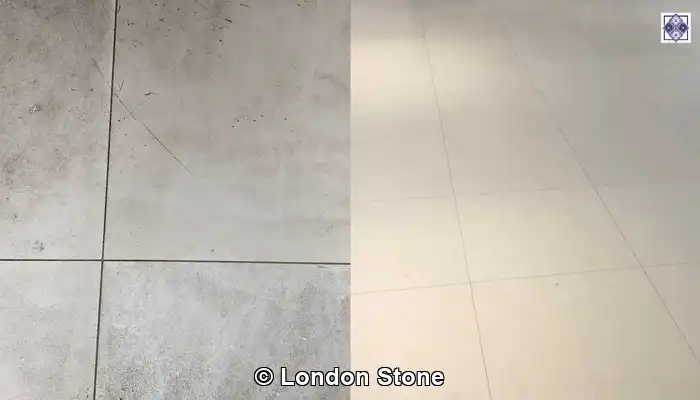
A client in Notting Hill reached out to us after years of cooking spills and foot traffic had rendered their limestone kitchen floor dull, stained, and uneven. The original sealant had eroded, allowing oils and acidic substances to infiltrate the stone. Grout lines were discoloured, and several tiles exhibited surface etching. Our team began by conducting a thorough assessment of the floor’s condition, identifying all areas needing restoration.
We commenced with a deep cleaning utilising pH-neutral solutions to extract entrenched grease and grime. Diamond honing removed the etched areas and reinstated a smooth, consistent finish. We then regrouted with a colour-matched blend and applied a breathable, oil-resistant sealant tailored for kitchen environments. The outcome was a brighter, more hygienic floor that appeared brand new—and was significantly easier to maintain. This project highlighted the importance of timely restoration to preserve the beauty of limestone.
Leveling and Regrouting in a Victorian Townhouse
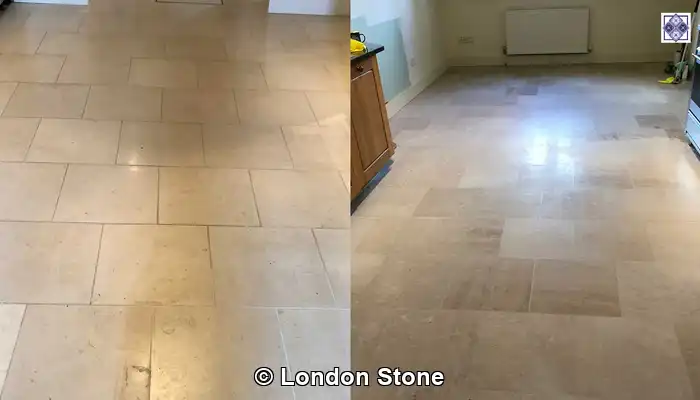
In a Victorian townhouse located in Kensington, the limestone kitchen had developed significant lippage due to subfloor movement over time. The uneven tiles not only appeared unsightly but also posed a tripping hazard. Grout had eroded in several areas, and the surface had lost its original polish. Our assessment revealed that comprehensive restoration was necessary to ensure safety and aesthetic appeal.
Our team utilised precision grinding tools to level the tiles and eliminate sharp transitions. We removed the old grout and replaced it with a durable epoxy blend, flush with the tile surface for a seamless finish. After polishing and sealing, the kitchen transformed into a safe, elegant entryway that honoured the home’s period features. This project exemplified our commitment to enhancing both functionality and beauty in historic properties.
Restoring a Kitchen Floor in a Heritage Property
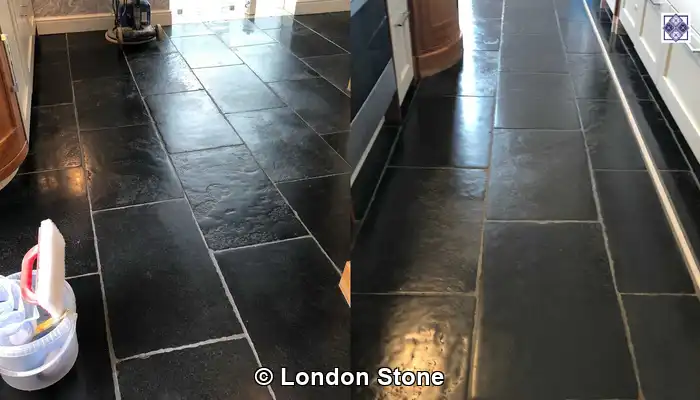
A heritage-listed property in Hampstead posed a unique challenge: a limestone bathroom floor that had been improperly sealed, resulting in moisture ingress and mould growth in the grout. The client was concerned about preserving the original stone while ensuring the space remained safe and functional. Our thorough evaluation revealed significant work was necessary to restore the floor’s integrity.
We meticulously removed the failing sealant and treated the stone with a mould-safe, pH-balanced cleaner. After regrouting and polishing, we applied a breathable sealant designed for humid environments. The floor retained its historic charm while gaining modern protection against moisture and wear. This project demonstrated our expertise in balancing preservation with practicality, ensuring the longevity of the limestone flooring.
These case studies exemplify our dedication to craftsmanship, safety, and customised solutions. Whether it's a bustling family kitchen or a listed building with delicate stonework, London Stone delivers restoration that respects both the material and the inhabitants who live with it.
Key Maintenance Tips Following Limestone Restoration
Professional restoration can significantly enhance the appearance and longevity of your limestone floor—but maintaining its condition requires consistent, informed care. By adopting appropriate daily habits and periodic upkeep, homeowners can protect their investment and enjoy a beautifully maintained surface for many years. Implementing these strategies is vital for preserving the quality of your flooring.
Daily Cleaning with pH-Neutral Products
Limestone’s sensitivity to acidic and alkaline substances makes it crucial to utilise a pH-neutral cleaner specifically designed for natural stone. Avoid using supermarket floor cleaners, bleach, vinegar, or citrus-based products, as they can etch the surface and degrade sealants. For optimal results, employ a microfiber flat mop or spin mop that is dampened—not soaked—with your selected cleaner. Excess water can infiltrate grout lines and beneath tiles, particularly if sealants have begun to wear. Damp cleaning effectively lifts dust and grime without saturating the stone, thereby prolonging its life.
Preventing Common Cleaning Mistakes
Steam cleaners, abrasive pads, and harsh chemicals may seem practical, but they can inflict long-term damage on limestone. Steam can weaken grout and force moisture into the stone, while abrasives scratch the surface and dull the finish. Instead, opt for soft tools and gentle methods. If uncertain about a product, test it on a small, inconspicuous area or consult your restoration specialist for advice. Ensuring the right approach to cleaning can greatly impact the longevity of your limestone floor.
Reapplying Sealant in High-Wear Areas
Even top-quality sealants diminish over time—especially in kitchens, hallways, and bathrooms. To maintain protection against stains and moisture, consider reapplying your sealant every 12–18 months in these areas. A breathable, UV-stable sealant that is matched to your stone type and room conditions will yield the best results. If you notice that water no longer beads on the surface or stains become increasingly challenging to remove, it’s likely time for resealing. Keeping your sealant fresh is essential for protecting your investment.
Maintaining Grout and Spot Repairs
Grout lines are often the first to exhibit wear and tear. Keep an eye out for cracking, discoloration, or gaps between tiles, as these can allow moisture ingress and lead to tile movement or mould growth. Spot repairs can be performed using colour-matched grout or epoxy blends, but deeper erosion may necessitate professional regrouting. Regular inspections help identify issues early before they escalate, ensuring the longevity and stability of your flooring.
Scheduling Regular Professional Inspections
Even with diligent care, limestone floors benefit from periodic professional evaluations. A restoration specialist can assess the state of your sealant, grout, and surface finish, recommending touch-ups or preventive treatments as necessary. For busy households or heritage properties, an annual inspection ensures that your floor remains safe, attractive, and structurally sound. Investing in these evaluations can save homeowners significant costs in repairs down the line.
Common Inquiries About Limestone Floor Restoration
Opting to restore your limestone floor is a prudent investment—but it’s natural to have questions before proceeding. Below are answers to some of the most commonly asked inquiries we receive from homeowners throughout London.
How long does the limestone restoration process usually take?
The duration of restoration depends on the size of the area, the extent of damage, and the specific treatments needed. A typical residential room may require 1–2 days, whereas larger or more complex projects—such as heritage properties or floors with significant lippage—might necessitate additional time. We always provide a clear timeline during your initial consultation to set expectations.
Is limestone restoration safe for heritage properties?
Absolutely. Our techniques are crafted to be non-invasive and conservation-friendly, making them suitable for listed buildings and historic interiors. We utilise dust-free equipment, breathable sealants, and gentle cleaning agents that preserve the stone’s integrity while enhancing its appearance. Ensuring the safety of historic structures is a top priority in our restoration efforts.
Can deep etching or scratches be effectively removed?
In most instances, yes. Diamond honing proves highly effective at eliminating surface-level etching, scratches, and dull patches. For more severe damage, we assess whether grinding or tile replacement is necessary. Our aim is always to restore the stone while preserving as much of the original material as possible, ensuring the best possible outcome.
What distinguishes polishing from sealing?
Polishing enhances the stone’s appearance by smoothing the surface and restoring its natural shine. Sealing, in contrast, protects the stone from moisture, stains, and erosion. Both processes are essential components of a comprehensive restoration and are customised based on the stone’s finish and room conditions. Understanding the differences helps homeowners appreciate the value of both processes.
Will the restoration process create dust or mess?
No. We employ dust-controlled equipment and protective barriers to maintain cleanliness within your home throughout the restoration process. Floors are vacuumed and wiped down after each stage, and we take care to minimise disruption to your daily activities. Ensuring a clean work environment is a fundamental aspect of our service.
How frequently should limestone be resealed?
We recommend resealing every 12–18 months in high-traffic or moisture-prone areas such as kitchens, hallways, and bathrooms. Low-traffic zones may require less frequent attention. During restoration, we will advise you on the optimal sealant and maintenance schedule for your specific floor, ensuring it remains protected.
Can I walk on the floor immediately after restoration?
In most cases, you can walk on the floor within 4–6 hours after sealing; however, we recommend waiting 24 hours before placing furniture or rugs. We will provide clear aftercare instructions to ensure the sealant cures properly and that the finish remains intact, preserving the quality of your flooring.
Our Service Areas Across London
At London Stone, we proudly offer professional limestone floor restoration services throughout Greater London and its surrounding boroughs. Whether you reside in a city flat, a suburban townhouse, or a heritage-listed property, our team is equipped to deliver expert care wherever it is needed. Our commitment to quality service is consistent across all locations.
Central London and Historic Districts
We frequently operate in Central London neighbourhoods such as Kensington, Chelsea, Westminster, and Mayfair—areas renowned for their elegant limestone interiors and period architecture. Our restoration techniques are tailored to meet the conservation standards required in listed buildings and historic residences, ensuring a proper and respectful approach.
North and West London Residences
From Hampstead and Highgate to Ealing and Chiswick, we cater to a diverse range of residential clients in North and West London. These areas often feature limestone in hallways, kitchens, and bathrooms, where foot traffic and moisture exposure necessitate specialised attention. Our expertise ensures that each project is handled with care and precision.
South and East London Properties
We also restore limestone floors in South London boroughs like Clapham, Dulwich, and Wimbledon, as well as East London locations including Hackney, Shoreditch, and Canary Wharf. Whether it’s a modern loft or a Victorian terrace, our team adapts restoration methods to suit the property's age, layout, and usage. This adaptability allows us to provide the best solutions for any property.
Greater London and Surrounding Counties
In addition to London postcodes, we extend our services to nearby counties such as Surrey, Hertfordshire, and Essex. Clients in commuter towns and rural homes benefit from the same high standards of care, with flexible scheduling and customised service plans tailored to their specific needs.
Commercial and Heritage Sites
Beyond residential projects, we also support commercial clients and heritage institutions. Our portfolio includes boutique hotels, galleries, retail spaces, and historic buildings, where limestone flooring plays a vital role in the interior design. We recognise the need for minimal disruption and enduring results in these environments, ensuring that our services are both effective and considerate.
Whether you’re restoring a single room or an entire property, London Stone offers reliable, local expertise backed by years of hands-on experience. Our reputation is built on delivering exceptional results for every client.
Book Your Limestone Floor Restoration Service Today
Your limestone floor deserves expert care—and London Stone is here to provide it. Whether you're contending with dullness, staining, grout erosion, or uneven tiles, our specialised restoration services are designed to rejuvenate your floor’s natural beauty and safeguard it for years to come.
Arrange a Free Consultation
We offer no-obligation consultations throughout London and the surrounding areas. During your visit, we will evaluate your floor’s condition, explain the available restoration options, and provide a transparent quote tailored to your space and requirements. You will receive expert advice, honest recommendations, and a clear action plan to achieve the best results.
To initiate the process, use our simple contact form or call our team directly. We are happy to address any questions and arrange a convenient time to visit your property. Your satisfaction is our priority.
Trusted by London Homeowners and Property Managers
London Stone has built a reputation for precision, professionalism, and lasting results. Our clientele includes homeowners, interior designers, estate managers, and heritage property custodians who rely on us to restore and maintain their natural stone surfaces. Our commitment to excellence ensures that every project meets the highest standards.
We approach every project with care—whether it involves a single bathroom floor or an entire townhouse. Our objective is to ensure your limestone looks and feels its best while being protected against future wear. By choosing London Stone, you are investing in the longevity and beauty of your flooring.
Stay Updated with Expert Stone Care Tips
Want to maintain your limestone floor's flawless appearance between restorations? Subscribe to our newsletter for expert maintenance tips, seasonal care advice, and exclusive offers. You can also follow us on social media for real-time updates and behind-the-scenes restoration stories. Staying informed will help you keep your limestone floors in pristine condition.
The Article Limestone Floor Restoration Services Explained Simply appeared first on https://fabritec.org
The Article Limestone Floor Restoration Services: A Simple Guide Was Found On https://limitsofstrategy.com