Exploring the Growing Influence of Protein Shakes in Social Media Trends
Maximising the Effect of Social Media Platforms on the Popularity of Protein Shakes

The trend surrounding protein shakes has seen an exponential rise on social media, fundamentally altering consumer habits and transforming market dynamics on a global scale. Numerous platforms now serve as crucial venues for sharing protein shake content, primarily due to their engaging and visually striking formats. Major social media platforms such as Instagram, TikTok, Facebook, Pinterest, YouTube, Twitter, and Snapchat significantly contribute to the soaring popularity of protein shakes, enabling brands and influencers to craft content that resonates with expansive audiences. These platforms empower users to share captivating images, entertaining videos, and motivating testimonials about protein shakes, thus nurturing an active community and shared experiences among followers.
- Instagram: A vibrant hub for visually-driven content and strategic collaborations with influencers.
- TikTok: Short, eye-catching videos that ignite trending health and wellness challenges.
- Facebook: Community-driven groups and dedicated pages that facilitate discussions on fitness and nutrition.
- Pinterest: A platform designed for sharing recipes and meal planning specifically geared towards protein shakes.
- YouTube: Comprehensive reviews and tutorial videos on crafting protein shakes.
- Twitter: Real-time updates and engaging conversations on various health-related topics.
- Snapchat: Behind-the-scenes glimpses and influencer day-in-the-life features that showcase protein shakes.
As consumers increasingly seek convenient and effective methods to enhance their diets, the protein shake trend has become a focal point for both fitness enthusiasts and casual users alike. The organic sharing of recipes, personal anecdotes, and fitness journeys has fostered a robust ecosystem where brands flourish through authentic engagement and community-building initiatives.
What Role Does Influencer Marketing Play in Promoting Protein Shakes?
Influencer marketing has emerged as a cornerstone of the protein shake phenomenon on social media, cultivating mutually beneficial partnerships between brands and notable figures in the health and fitness realm. Influencers capitalise on their credibility and extensive reach to showcase the numerous benefits of protein shakes, often integrating them into their daily routines and fitness practices. This strategy leverages the trust their followers place in them, significantly influencing purchasing behaviours and fostering brand loyalty.
- Kayla Itsines: A renowned fitness influencer celebrated for her balanced nutrition advice and workout guidance.
- Jeff Nippard: A well-known bodybuilder recognised for his in-depth discussions on protein science and its advantages.
- Sophie Guidolin: A recipe creator focusing on healthy meal options, including diverse protein shake recipes.
- Cassey Ho: A fitness entrepreneur advocating for a holistic approach to health and nutrition.
- Chris Bumstead: A professional bodybuilder endorsing effective supplementation strategies, including protein shakes.
- Emily Skye: A fitness coach incorporating protein shakes into her comprehensive wellness programmes.
- Chloe Ting: A popular fitness influencer providing straightforward workouts and nutrition advice.
The authenticity and relatability exhibited by these influencers frequently lead to improved engagement rates and increased sales for the brands they endorse. Brands that successfully collaborate with influencers not only gain heightened visibility but also cultivate a dedicated consumer base that values genuine endorsements from trusted figures in the industry.
How Does User-Generated Content Influence Consumer Perception?
User-generated content (UGC) plays a transformative role in shaping consumer perceptions and purchasing decisions related to protein shakes. The authenticity of actual users sharing their experiences nurtures a sense of community and trust, greatly affecting prospective buyers. When consumers share their personal stories, reviews, and innovative recipes involving protein shakes, it creates an authenticity that resonates deeply with followers and potential customers alike.
This trend is particularly significant as consumers increasingly favour relatable experiences over traditional advertising methods. UGC can take many forms, including social media posts, personal blogs, and video testimonials. Such content provides potential buyers insights into how protein shakes seamlessly integrate into real-life situations, delivering relatable and actionable information. By encouraging customers to share their unique experiences, brands can amplify their marketing efforts, build trust, and ultimately drive sales while nurturing a loyal community.
What Hashtag Trends Are Defining the Culture of Protein Shakes?
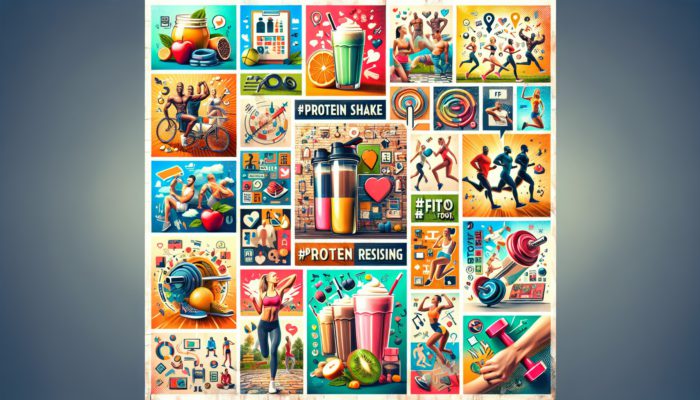
Hashtags serve as powerful catalysts for community-building and trend creation surrounding protein shakes on social media. Specific hashtags not only enhance brand visibility but also foster user engagement, allowing consumers to connect over shared interests and experiences. Popular hashtags such as #ProteinShake, #FitFood, #HealthyLiving, and #ProteinRecipe nurture a culture centred on health, fitness, and nutrition, establishing a vibrant community of enthusiasts sharing their journeys.
By leveraging these hashtags, brands can tap into ongoing conversations and increase their visibility among targeted audiences. When users engage with these hashtags, they contribute to a broader dialogue about protein shakes, shaping trends and consumer behaviour. For instance, the emergence of the #ProteinShakeChallenge encourages users to share inventive recipes or variations of their favourite shakes, fostering competition and creativity within the community. This engagement not only enhances brand visibility but also reinforces the idea that protein shakes hold an essential place in modern fitness culture.
How Do Protein Shake Challenges Create Viral Content?
Viral challenges centred around protein shakes can thrust brands into the spotlight, capturing rapid consumer attention. These challenges typically invite participants to create or share unique protein shake recipes, generating excitement and engagement within the fitness community. The viral nature of these initiatives creates a ripple effect, as users share their creations, nominate friends, and connect with brands on a more personal level.
Popular social media platforms are replete with instances of protein shake challenges that have gained traction. For example, challenges that encourage users to showcase their best protein shake recipe using specific ingredients not only create buzz but also drive sales for the featured products. Brands that capitalise on these opportunities can significantly enhance their visibility and sales by fostering participation and rewarding users, thus creating a dynamic marketing environment that thrives on community interaction and exposure.
Expert Perspectives on Effective Social Media Strategies for Protein Shakes
Analysing Real-World Examples of Successful Campaigns
Examining successful social media campaigns offers invaluable insights for brands operating within the protein shake sector. Effective campaigns typically combine engaging content, collaborations with influencers, and contributions from users. A prime example is the “Shake It Up” campaign launched by a prominent protein shake brand, which encouraged users to experiment with their flavour combinations and share their creations on social media using a designated hashtag.
This initiative resulted in thousands of user-generated posts and engaged influencers in creating captivating recipe videos and tutorials. The brand strategically reposted user content, showcasing authentic customer experiences that enhanced credibility and fostered community engagement. The outcome was a significant increase in brand awareness and sales, illustrating that genuine engagement is crucial for success in social media marketing.
Brands can also learn from campaigns that emphasise the nutritional advantages of their products. For instance, brief video snippets explaining the science behind protein intake and how specific shakes can promote muscle recovery resonate with fitness enthusiasts seeking effective solutions to achieve their objectives. By understanding what resonates within the protein shake market through these successful examples, brands can tailor their strategies for maximum impact.
What Concrete Steps Can Brands Take to Leverage Social Media Effectively?
Brands eager to harness social media for the promotion of protein shakes should undertake several essential actions to effectively engage their target audience. Firstly, developing a clear brand identity that resonates with the health and fitness community is vital. This ensures messaging aligns with consumer values surrounding nutrition and wellness and should be consistently communicated across all platforms to establish strong brand recognition.
Secondly, brands should invest in high-quality, visually appealing content that showcases protein shakes in a variety of contexts, from post-workout recovery to meal replacement options. This content should not only highlight the product but also provide value by sharing tips, recipes, and the benefits of protein shakes. Engaging with followers through polls, questions, and challenges can further enhance community involvement and interaction.
Thirdly, collaborating with fitness influencers who share the brand’s values can amplify visibility and drive engagement. These partnerships should be authentic, allowing influencers to share their genuine experiences with the product. Lastly, brands must actively monitor consumer feedback and adapt their strategies based on insights gathered from social media interactions, ensuring they remain responsive to consumer needs and emerging trends.
How to Effectively Measure Consumer Engagement and Feedback?
Understanding consumer engagement with protein shake content on social media is crucial for brands aiming to refine their marketing approaches. Engagement metrics such as likes, shares, comments, and overall reach provide valuable insights into which types of content resonate most with audiences. Analysing these metrics enables brands to better understand consumer preferences and adapt their strategies accordingly.
Consumer feedback, whether positive or negative, serves as a critical resource for ongoing improvement. Brands can utilise social listening tools to monitor conversations surrounding their products and identify common questions, concerns, and trends. For instance, if consumers frequently seek more information about protein sources or recipes, brands can create targeted content addressing these needs, enhancing consumer satisfaction and loyalty.
Moreover, engaging directly with followers through comments and direct messages can foster a sense of community and trust. By responding to inquiries and acknowledging feedback, brands demonstrate their commitment to customer satisfaction, ultimately leading to stronger relationships and enhanced brand loyalty.
In What Ways Do Protein Shakes Support Fitness Communities?
The Crucial Role of Protein Shakes in Achieving Fitness Goals
Protein shakes are indispensable in supporting various fitness objectives, serving as a convenient source of high-quality nutrients essential for muscle recovery and growth. For athletes and fitness enthusiasts, the timing and composition of protein intake are crucial, and protein shakes offer a quick, easily digestible option to fulfil post-workout nutritional needs. This convenience aligns seamlessly with the fast-paced lifestyles many individuals adopt, establishing protein shakes as a staple in fitness routines worldwide.
Within the context of fitness objectives, protein shakes cater to a variety of needs, ranging from weight management to muscle enhancement. For those aiming to lose weight, protein shakes can serve as meal replacements, offering controlled calorie intake while effectively curbing hunger. In contrast, individuals pursuing muscle gain or strength training find protein shakes particularly beneficial, as they deliver necessary amino acids to initiate muscle repair and growth efficiently. The versatility of protein shakes to meet diverse dietary requirements solidifies their status as a vital component of modern fitness regimens.
What Effective Strategies Can Brands Employ to Cultivate a Strong Community Around Protein Shake Brands?
Brands that prioritise community building around their protein shakes gain significant advantages in customer loyalty and engagement. Effective strategies for nurturing this sense of community include creating online forums, hosting challenges, and sponsoring local fitness events. By providing platforms where consumers can share their experiences, brands cultivate a supportive environment that encourages user interaction and collaboration.
Engagement initiatives such as recipe contests or fitness challenges further galvanise community participation. For example, a brand might organise a monthly challenge inviting users to blend their favourite protein shake recipes and reward participants with discounts or branded merchandise. This not only incentivises engagement but also generates user-generated content that showcases the versatility of protein shakes.
Additionally, actively engaging with consumers through social media by responding to comments and sharing user-generated content reinforces a brand’s commitment to its community. When consumers feel valued and heard, they are more likely to advocate for the brand, resulting in increased loyalty and organic word-of-mouth promotion.
How Do Fitness Challenges Encourage the Consumption of Protein Shakes?
Fitness challenges often serve as a catalyst for increased consumption of protein shakes, as participants seek effective solutions to support their goals. These challenges, which may include weight-loss programmes, muscle-gaining contests, or endurance events, typically encourage participants to incorporate protein shakes into their dietary plans. The collaborative and competitive spirit fostered by these challenges can lead to heightened brand visibility as users share their journeys on social media.
Brands that align themselves with popular fitness challenges can capitalise on this trend by offering tailored products or promotional initiatives. For instance, sponsoring a local fitness competition and providing protein shake samples can create a direct connection between the brand and potential consumers. Participants are likely to share their experiences on social media, further boosting brand awareness and engagement.
Moreover, brands can create their own fitness challenges, encouraging users to document their progress and share it using specific hashtags. This not only enhances engagement but also generates organic content that reinforces the brand’s image as a supportive partner in consumers’ fitness journeys.
What Impact Do Influencer Endorsements of Protein Shakes Have?
Fitness influencers play a crucial role in shaping the acceptance of protein shakes within fitness communities. Their endorsements not only amplify awareness of specific products but also validate their effectiveness in achieving fitness goals. When influencers share their experiences with protein shakes, they often highlight their personal journeys, making the products relatable and aspirational for followers.
The impact of these endorsements is heightened by the trust followers place in their fitness idols. When an influencer incorporates a protein shake into their routine and showcases its advantages, it resonates deeply with an audience eager to replicate their success. This dynamic creates a powerful marketing tool for brands, as influencer partnerships can significantly enhance product visibility and drive sales.
Furthermore, influencers often engage in storytelling to connect with their audience on a deeper level. By sharing personal anecdotes about how protein shakes have supported their fitness journeys, they humanise the product and foster a sense of community among followers. This narrative-driven approach enhances the credibility of the endorsing influencer and solidifies the connection among the brand, the influencer, and the consumer.
How Can Sharing Protein Shake Recipes Foster Community Engagement?
Sharing protein shake recipes can significantly boost engagement within fitness communities, providing members with innovative ways to incorporate protein into their diets. Recipe sharing not only offers practical value but also encourages interaction among community members as they exchange tips and variations on popular recipes. As users post their unique takes on protein shakes, it cultivates a culture of creativity and collaboration that strengthens community bonds.
Brands can capitalise on this trend by actively encouraging users to share their recipes and experiences through social media campaigns. For instance, a brand might host a “Recipe of the Week” feature highlighting user-generated content and rewarding participants with prizes. This initiative not only elevates community engagement but also generates a wealth of user-generated content that can be repurposed for marketing efforts.
Additionally, brands can collaborate with influencers to create and share exclusive recipes featuring their products. By partnering with chefs or nutritionists, brands can develop unique and appealing recipes that showcase the versatility of protein shakes. The combination of delicious recipes and strategic marketing can enhance consumer connection and brand loyalty, positioning the brand as a go-to source for protein shake inspiration.
What Key Ingredients Are Found in Popular Protein Shakes?
Exploring Protein Sources and Their Distinct Advantages
Protein shakes typically comprise a variety of protein sources, each providing unique benefits that cater to diverse consumer preferences. The most popular protein sources include whey, casein, soy, pea, and rice proteins. Whey protein, derived from milk, is renowned for its rapid absorption and is particularly advantageous for post-workout recovery, making it a preferred choice among athletes and fitness enthusiasts.
Casein protein, also sourced from milk, digests more slowly, providing a sustained release of amino acids, which can be beneficial for those aiming to support muscle recovery overnight. Plant-based options like soy, pea, and rice proteins are gaining traction among vegan and lactose-intolerant individuals. Soy protein is a complete protein, containing all essential amino acids, while pea protein is rich in branched-chain amino acids (BCAAs), making it ideal for muscle support and recovery.
Each protein source presents distinct advantages, influencing consumer choices based on dietary preferences, fitness objectives, and nutritional needs. Brands that emphasise the quality and sourcing of their protein ingredients can position themselves as trustworthy and knowledgeable in the eyes of consumers, thereby enhancing their market standing and cultivating consumer loyalty.
Enhancing Taste and Nutrition with Additives
Additives play a pivotal role in improving both the flavour and nutritional profile of protein shakes. Common additives include sweeteners, flavourings, thickeners, and vitamins. Natural sweeteners such as stevia and monk fruit are popular alternatives to artificial sugars, appealing to health-conscious consumers who wish to reduce calorie intake without compromising on taste.
Flavourings, whether derived from natural or synthetic sources, can significantly enhance the palatability of protein shakes, making them more enjoyable for consumers. Additionally, thickeners like xanthan gum or guar gum can improve texture, resulting in a creamier shake that appeals to a broader audience. The incorporation of vitamins and minerals, such as B vitamins or electrolytes, can further elevate the nutritional value, positioning protein shakes as more than mere protein sources but comprehensive supplements for overall health and wellness.
Understanding how these additives influence consumer preferences is essential for brands aiming to create appealing products. By prioritising quality ingredients and transparency in formulations, brands can build trust and attract a diverse consumer base seeking both flavour and nutrition in their protein shakes.
The Ongoing Debate: Natural Versus Synthetic Ingredients
The ongoing discussion surrounding natural and synthetic ingredients in protein shakes remains a significant consideration for consumers. Many individuals prefer natural ingredients due to perceived health benefits and a desire for clean-label products. Natural ingredients often highlight the absence of artificial additives, attracting health-conscious individuals seeking transparency in their food choices.
Conversely, synthetic ingredients may offer specific benefits, such as enhanced solubility and cost-effectiveness. Brands that utilise synthetic ingredients must focus on educating consumers about their safety, efficacy, and advantages. This education is crucial for developing consumer trust, as individuals become increasingly discerning about the products they consume and the origins of their ingredients.
To appeal to a broad audience, brands should strike a balance between natural and synthetic ingredients, ensuring formulations meet high-quality standards while addressing consumer demands. By emphasising the benefits of their ingredient choices, brands can effectively navigate this complex landscape and foster trust among consumers who are increasingly cautious about their dietary selections.
What Marketing Strategies Should Brands Implement to Promote Protein Shakes on Social Media?
Utilising Targeted Advertising for Maximum Visibility
Targeted advertising on social media platforms has proven to be an effective strategy for brands aiming to reach specific demographics interested in protein shakes. By leveraging data analytics, brands can identify their ideal consumer profiles based on interests, behaviours, and demographics, enabling tailored advertising campaigns that resonate with potential customers.
This approach not only enhances the relevance of advertisements but also boosts conversion rates, as targeted ads are more likely to connect with individuals actively seeking protein supplementation or fitness solutions. Platforms such as Facebook and Instagram offer powerful tools for audience segmentation, allowing brands to refine their messaging and visuals to better align with their target audience’s preferences.
Successful brands often employ a mix of eye-catching visuals, persuasive copy, and compelling calls to action to entice users. Furthermore, retargeting strategies can reinforce brand recognition by reminding consumers of their interest in protein shakes, encouraging them to complete their purchases. Overall, effective targeted advertising can significantly enhance brand visibility and drive sales across diverse consumer segments.
How to Launch Successful Hashtag Campaigns for Viral Marketing?
Hashtag campaigns present a dynamic opportunity for brands to cultivate viral marketing moments surrounding protein shakes. By crafting catchy and relevant hashtags, brands can encourage user participation and content sharing, amplifying their reach across social media platforms. Successful hashtag campaigns often capitalise on trending health and fitness topics, inviting users to engage with the brand through creative challenges or recipe-sharing.
To initiate a successful hashtag campaign, brands should establish clear objectives, such as increasing brand awareness, driving user-generated content, or promoting specific products. Engaging influencers to kick off the campaign can also elevate its visibility, as these figures often come with established audiences eager to participate. Encouraging users to share their content using the campaign hashtag not only boosts engagement but also fosters a sense of community and shared experiences surrounding the brand.
Moreover, closely monitoring hashtag campaign performance is crucial for understanding engagement levels and consumer sentiment. Brands should analyse metrics such as reach, engagement, and user-generated content to evaluate the success of their campaigns, making adjustments as needed to enhance future initiatives and optimise outreach.
Why Partner with Fitness Events and Competitions?
Collaborating with fitness events and competitions offers brands a unique opportunity to enhance visibility and connect with their target audience in a meaningful way. Sponsoring local or national fitness events allows brands to showcase their products directly to health-conscious consumers actively engaged in fitness activities. Such partnerships can manifest in various forms, including product sampling, branded booths, or sponsorship of specific challenges and contests.
The benefits of these collaborations extend beyond immediate product exposure. By associating with reputable fitness events, brands can build credibility and reputation within the fitness community. Additionally, capturing on-site content for social media marketing can provide an abundance of user-generated material that highlights real-life interactions with the brand and its products.
However, brands must approach these partnerships strategically, ensuring that the events align with their target audience and brand values. By selecting the right events and executing meaningful activations, brands can foster lasting connections with potential customers, driving both short-term sales and long-term brand loyalty.
How Do Influencer Collaborations Affect Protein Shake Marketing?
Influencer collaborations serve as a powerful marketing strategy for promoting protein shakes, significantly influencing consumer behaviour and brand loyalty. By teaming up with fitness influencers who are genuinely passionate about health and wellness, brands can tap into established audiences that trust their recommendations. These partnerships often take the form of sponsored content, product reviews, or recipe integrations featuring protein shakes.
The impact of influencer collaborations is bolstered by the authenticity that influencers bring to their endorsements. Followers are more likely to engage with and trust influencers who share their personal experiences with protein shakes, creating a sense of relatability that traditional advertising often lacks. Brands that effectively collaborate with influencers can enjoy increased visibility, engagement, and ultimately, conversions.
Furthermore, brands should ensure that influencer partnerships align with their brand values and messaging. This alignment not only enhances credibility but also fosters long-term relationships with influencers who genuinely advocate for the brand. By investing in authentic partnerships, brands can create a sustainable marketing strategy that resonates with consumers and drives lasting brand loyalty.
Encouraging User-Generated Content and Engagement Strategies
Encouraging customers to share their experiences with protein shakes through user-generated content (UGC) enhances engagement and fosters community within the brand. UGC serves as authentic testimonials, showcasing real-life applications of the product and creating a sense of connection among consumers. This content can be powerful in influencing potential buyers who witness relatable experiences from their peers.
Brands can implement effective strategies to promote UGC by developing engaging campaigns that prompt users to share their protein shake experiences. For example, hosting contests or challenges where customers submit recipes or photos of their protein shakes can generate excitement and participation. Additionally, offering incentives, such as discounts or exclusive merchandise, can motivate consumers to share their content and experiences.
Furthermore, brands should actively engage with UGC by reposting user content, acknowledging contributors, and responding to comments. This level of interaction not only highlights the brand’s commitment to its community but also encourages others to participate. By cultivating an environment where consumers feel valued and recognised, brands can significantly enhance engagement and loyalty among their audience.
What Trusted Strategies Should Brands Employ to Market Protein Shakes on Social Media?
Providing Expert Analysis on Consumer Trends
Understanding consumer trends is crucial for brands looking to tailor their social media strategies effectively. Current trends in the protein shake market reveal a growing preference for plant-based options, convenience, and transparency regarding ingredient sourcing. Brands must stay attuned to these trends and adapt their messaging to resonate with consumers seeking healthier alternatives.
Utilising data analytics tools can assist brands in identifying emerging trends and consumer preferences. By analysing social media conversations and engagement metrics, brands can gain insights into what resonates with their audience. This information can inform product development, marketing strategies, and content creation, ensuring that brands remain relevant and appealing to consumers.
Additionally, brands should continuously monitor competitor activity and industry developments. By staying informed about the competitive landscape and adapting to changing consumer preferences, brands can position themselves as leaders in the protein shake market, gaining a competitive edge and attracting new customers.
How to Build Trust Through Transparency and Education?
Transparency and education are key to building trust with consumers in the protein shake market. Consumers increasingly seek brands that prioritise clear communication about ingredient sourcing, nutritional benefits, and manufacturing processes. By providing comprehensive information about their products, including sourcing practices and nutritional profiles, brands can foster a sense of credibility and reliability that resonates with health-conscious consumers.
Incorporating educational content into marketing strategies can further enhance trust. Brands can create informative blog posts, videos, or infographics that explain the benefits of specific ingredients, the science behind protein intake, and how to effectively integrate protein shakes into various diets. This educational approach not only empowers consumers but also positions the brand as an authority in nutrition and wellness.
Moreover, engaging with consumer inquiries and feedback demonstrates a brand’s commitment to transparency. Brands that actively communicate with their audience and address concerns create a positive rapport, leading to increased loyalty and brand advocacy as consumers feel more connected to the brand’s mission and values.
Effectively Measuring ROI on Social Media Campaigns
Measuring return on investment (ROI) for social media campaigns is essential for brands evaluating the success of their marketing initiatives in the protein shake market. Key metrics to consider include engagement rates, conversion rates, website traffic, and overall sales attributed to social media campaigns. By assessing these metrics, brands can glean insights into the effectiveness of their strategies and identify areas for improvement.
Utilising analytics tools can streamline this process, providing brands with real-time data on campaign performance. Tracking metrics such as reach, impressions, and audience demographics can help brands understand campaign effectiveness and audience engagement, enabling more informed decision-making in future campaigns.
Moreover, conducting regular assessments of social media campaigns allows brands to refine their strategies based on data-driven insights. By continuously measuring and adjusting their approaches, brands can optimise their social media marketing to maximise ROI and drive sustained growth in the protein shake market.
What Challenges Do Brands Face When Promoting Protein Shakes on Social Media?
Navigating Regulatory Compliance in Marketing
Promoting protein shakes on social media necessitates adherence to regulatory compliance, presenting several common challenges for brands. The food and beverage industry is subject to stringent regulations regarding health claims, ingredient disclosures, and advertising standards. Brands must ensure their marketing materials comply with these regulations to avoid legal repercussions that could damage their reputation and financial stability.
One significant challenge is accurately representing the nutritional benefits of protein shakes without making misleading claims. For instance, brands must exercise caution when highlighting specific health benefits, ensuring they can substantiate any claims made in their advertising. This requires a thorough understanding of the regulatory landscape and ongoing monitoring of compliance updates, which can be time-consuming and complex for brands operating in multiple markets.
Additionally, navigating the varying regulations across different regions poses another challenge. Brands must tailor their marketing efforts to align with local regulations, which can differ significantly by geographic location. Ensuring compliance while maintaining effective marketing strategies necessitates careful planning and expertise, underscoring the importance of regulatory awareness in promoting protein shakes on social media.
How to Tackle Misinformation and Negative Feedback?
Misinformation and negative feedback can significantly impact a brand’s reputation in the protein shake market, making it essential for brands to develop effective strategies to address these challenges. Misinformation often spreads rapidly on social media, and brands must be proactive in correcting any inaccuracies about their products to safeguard their reputations.
Establishing a transparent communication strategy is vital for mitigating the effects of misinformation. Brands should actively monitor social media conversations and engage with consumers to address concerns or misconceptions. Providing accurate information about product benefits, ingredients, and sourcing practices can help counteract false claims and reinforce consumer trust in the brand’s offerings.
Moreover, negative feedback, whether from dissatisfied customers or critics, must be handled thoughtfully. Brands that respond promptly and effectively to negative comments demonstrate their commitment to customer satisfaction and transparency. Acknowledging concerns and providing solutions can turn a potentially damaging situation into an opportunity to build customer loyalty. By maintaining open lines of communication and prioritising consumer trust, brands can adeptly navigate the challenges of misinformation and negative feedback in the social media landscape.
How to Balance Promotional Content with Authentic Engagement?
Finding the right balance between promotional content and authenticity is crucial for brands aiming to market protein shakes effectively on social media. Excessive promotional material can lead to disengagement, as consumers increasingly favour authentic and relatable content. Brands must prioritise creating meaningful connections with their audience by sharing stories, experiences, and user-generated content alongside promotional messages.
One effective strategy is to integrate storytelling into marketing efforts. By showcasing real customers’ experiences with protein shakes or sharing behind-the-scenes insights from brand representatives, companies can create a more genuine narrative that resonates with consumers. This approach fosters a sense of community and connection, encouraging users to engage more deeply with the brand.
Additionally, brands should leverage user-generated content to amplify authenticity. Sharing testimonials, reviews, and recipe creations from customers not only builds credibility but also enriches the brand’s narrative. By fostering an environment where consumers feel valued and heard, brands can strike a balance between promotional messaging and authentic engagement, ultimately driving loyalty and increased sales.
What Is the Future of Protein Shakes in the Social Media Landscape?
Identifying Emerging Trends and Their Potential Market Impact
Emerging trends in social media are poised to significantly influence the future of protein shakes, shaping how brands engage with consumers. One notable trend is the increasing demand for personalised nutrition, as consumers seek tailored solutions to meet their specific dietary needs and fitness goals. Brands that can provide personalised protein shake options or customised nutrition plans stand to resonate strongly with health-conscious consumers.
Additionally, the rise of video content on platforms like TikTok and Instagram Reels presents brands with opportunities to showcase their products through engaging, informative short videos. These platforms encourage creativity and authenticity, enabling brands to connect with younger audiences through relatable content that highlights the benefits of protein shakes.
Another trend to monitor is the growing emphasis on sustainability and ethical sourcing. Consumers are becoming more aware of the environmental and social impacts of their purchases, and brands that prioritise sustainability in their protein shake offerings are likely to gain favour among discerning consumers. By aligning with these emerging trends, brands can position themselves for success in the evolving protein shake market.
How Are Technological Innovations Transforming the Industry?
Technological advancements are reshaping the marketing and consumption of protein shakes, presenting new opportunities for brands to connect with consumers. Innovations in mobile apps and wearable technology enable individuals to track their nutritional intake and fitness progress, making personalised protein shake recommendations more feasible and appealing. Brands that leverage these technologies to deliver tailored products or services can significantly enhance customer engagement and satisfaction.
Moreover, integrating augmented reality (AR) and virtual reality (VR) into marketing campaigns can create immersive experiences for consumers. Brands can use AR technology to allow users to visualise the benefits of their products or explore interactive recipes, thereby enhancing consumer engagement and driving interest in protein shakes.
Additionally, e-commerce technology continues to evolve, enabling brands to streamline the purchasing process. Online platforms that offer seamless transactions, subscription services, and convenient delivery options can significantly elevate the consumer experience, making it easier for individuals to incorporate protein shakes into their daily routines.
What Sustainability and Ethical Considerations Are Vital?
Sustainability and ethical considerations are increasingly important to consumers, influencing their purchasing decisions regarding protein shakes. The rising awareness of environmental issues and ethical sourcing practices has led many consumers to seek brands that prioritise sustainability in their product offerings.
Brands that adopt sustainable practices, such as eco-friendly packaging, responsibly sourced ingredients, and reduced carbon footprints, are likely to resonate with environmentally conscious consumers. Transparency in sourcing and production processes can enhance a brand’s reputation and foster trust among consumers who value ethical considerations in their purchasing choices.
Moreover, the demand for plant-based protein sources continues to grow as consumers seek healthier, more sustainable alternatives to traditional animal-based proteins. Brands that align their products with these values and promote their commitment to sustainability can effectively tap into a burgeoning market of conscious consumers. By addressing sustainability and ethical considerations, brands can position themselves as leaders in the protein shake space, appealing to the growing demographic that prioritises responsible consumption and ethical practices.
Frequently Asked Questions Regarding Protein Shakes
What are the primary uses of protein shakes?
Protein shakes primarily supplement dietary protein intake, assist with muscle recovery and growth post-exercise, support weight management, and serve as a convenient meal replacement for individuals with busy lifestyles.
Can protein shakes aid in weight-loss goals?
Yes, protein shakes can support weight loss by substituting high-calorie meals, providing satiety, helping control hunger, and reducing overall caloric intake, making it easier to achieve weight-loss objectives.
Are there any negative effects associated with consuming protein shakes?
While protein shakes are generally safe for most individuals, excessive consumption may lead to digestive issues, dehydration, or kidney strain in those with pre-existing conditions. It is crucial to consume them in moderation and consult a healthcare provider if uncertain.
How do protein shakes fit into a balanced diet?
Protein shakes can complement a balanced diet by providing additional protein, particularly for those with heightened nutritional needs, such as athletes or individuals recovering from illness or injury. They can effectively help meet daily protein requirements.
What are the optimal times for consuming protein shakes?
The most beneficial times to consume protein shakes are typically post-workout for recovery and muscle repair or as a meal replacement during busy periods when whole foods are not readily available, ensuring adequate nutrient intake.
Can I make protein shakes at home?
Absolutely! Homemade protein shakes allow for the customisation of ingredients, flavours, and nutritional content, making them a convenient and healthy option for individuals seeking more control over their dietary intake.
What are the most popular protein sources in shakes?
The most popular protein sources encompass whey, casein, soy, pea, and rice protein, each offering unique benefits and catering to various dietary preferences and needs.
How can I effectively increase my protein intake with shakes?
To boost protein intake, opt for protein-rich ingredients, experiment with different protein powders, and enhance shakes with additions like nut butter, Greek yoghurt, or seeds for added nutrition and flavour.
Are plant-based protein shakes effective for achieving fitness goals?
Yes, plant-based protein shakes can be effective in fulfilling protein requirements and supporting fitness objectives, particularly when they contain a complete amino acid profile from sources like soy or pea protein.
How do I choose the right protein shake for my personal needs?
Selecting the appropriate protein shake involves considering your dietary preferences, fitness goals, and nutritional needs. Reviewing ingredient labels and consulting with a nutritionist can provide tailored guidance for making an informed choice.
Connect with us on Facebook for further insights!
The Article Protein Shakes in Social Media: Trends and Impact appeared first on https://athleticsupplement.com
The Article Protein Shakes Trends: The Impact on Social Media Was Found On https://limitsofstrategy.com