Deep Dive into Coeliac Disease: Understanding Its Impacts
What Exactly is Coeliac Disease and How Does It Affect You?
Private Coeliac Test in Derby: Coeliac disease is a complex, chronic autoimmune disorder triggered by gluten, a protein prevalent in wheat, barley, and rye. This condition results in significant damage to the small intestine and impacts approximately 1 in 100 individuals in the UK, manifesting a diverse range of symptoms that can drastically disrupt daily life. For example, affected individuals may suffer from gastrointestinal distress, nutrient malabsorption, and a variety of other symptoms that can fluctuate in severity over time. Recognising these symptoms early is crucial for effective management, significantly improving health outcomes and overall quality of life.
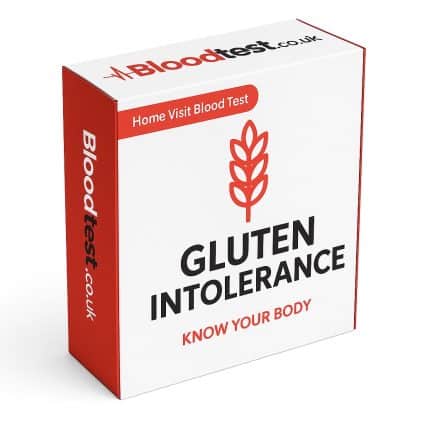

Personal stories from patients throughout the UK highlight the prevalent challenges associated with coeliac disease. One individual from Derby shared how their previously unrecognised condition led to debilitating fatigue and persistent gastrointestinal issues, which were misattributed to stress until a definitive diagnosis was reached. Such accounts emphasise the critical need for heightened awareness and understanding of coeliac disease and its far-reaching effects on everyday life, reinforcing the necessity for early intervention.
What Symptoms Should Adults Be Aware Of for Early Detection?
Adults diagnosed with coeliac disease often display symptoms that can easily be confused with other gastrointestinal disorders, complicating timely diagnosis. Common indicators include persistent diarrhoea, unexplained weight loss, and chronic fatigue. These signs can severely diminish one’s quality of life and should trigger individuals to seek medical advice. As highlighted in NHS guidelines, early identification is imperative for effective management and treatment, ensuring improved quality of life.
To aid in recognising these symptoms, here are practical steps based on NHS recommendations:
- Keep a detailed food diary to monitor symptoms in relation to gluten consumption.
- Regularly log any variations in weight and overall energy levels.
- Be vigilant about ongoing digestive issues that do not respond to standard treatments.
- Consult with a healthcare professional if symptoms persist beyond a few weeks.
By staying alert and proactive, adults can significantly enhance their chances for early detection and effective management of coeliac disease, ultimately leading to better health outcomes.
What Are the Testing Procedures for Coeliac Disease and How Are They Conducted?
The diagnostic journey for coeliac disease typically commences with blood tests aimed at detecting specific antibodies linked to gluten sensitivity. In the UK, these tests are readily available at local healthcare facilities, including clinics located in Derby. If the blood tests suggest the presence of coeliac disease, further confirmation may involve an endoscopy coupled with a biopsy, allowing for an in-depth examination of the intestinal lining to assess damage.
In Derby, healthcare professionals strictly follow established protocols to ensure accurate diagnoses, thereby minimising the risk of false-negative results. The NHS has developed a comprehensive framework that supports these testing procedures, facilitating a thorough evaluation of each patient. This structured approach is essential in confirming gluten sensitivity and enables healthcare providers to devise personalised treatment plans based on individual requirements.
What Signs and Symptoms Should Be Monitored in Children?
In children, coeliac disease often presents a distinct set of symptoms, including stunted growth, abdominal discomfort, and changes in behaviour. These signs can easily be mistaken for common childhood illnesses, making early detection more challenging. According to NHS guidelines, it is vital to closely monitor these symptoms, particularly in children who exhibit growth concerns or sudden behavioural shifts that may signify a more serious issue.
Case studies involving children in the UK underscore the urgent need for vigilant observation and timely intervention. For instance, a child from Derby who suffered from chronic stomachaches and lagged academically was ultimately diagnosed with coeliac disease, highlighting the importance of awareness among parents and caregivers. Failing to recognise these symptoms can lead to severe complications, reinforcing the necessity for proactive engagement with healthcare systems to ensure appropriate care.
How to Effectively Manage a Gluten-Free Diet for Optimal Health?
For individuals diagnosed with coeliac disease, adhering to a stringent gluten-free diet is critical to prevent further intestinal damage and ensure adequate nutrient absorption. This requires the complete elimination of gluten-containing foods such as wheat, barley, and rye. In the UK, organisations like Coeliac UK offer extensive resources to assist individuals in navigating the necessary dietary transitions, including comprehensive lists of gluten-free products and educational materials to support patients.
Dietitians play a vital role in guiding those with coeliac disease, helping to ensure nutritional balance while adhering to gluten-free guidelines. Various educational support groups and workshops are also accessible throughout the UK, fostering a sense of community among those affected. This holistic approach not only improves daily living for individuals but also equips them with the knowledge and skills required to manage their condition effectively and confidently.
Recognising Common Symptoms of Coeliac Disease Across the UK
How Do Symptoms Differ by Age and What Should You Know?
The symptoms of coeliac disease can vary significantly between children and adults, reflecting different physiological responses to gluten. In children, symptoms predominantly involve growth issues and abdominal pain, whereas adults may experience a wider range of symptoms, including bloating, fatigue, and various gastrointestinal disturbances. Such age-related symptom variations are frequently observed within the UK population, emphasising the necessity for age-specific awareness and diagnostic methodologies tailored to diverse demographics.
In Derby, specialists often report that children may exhibit more pronounced symptoms, facilitating earlier diagnosis. Conversely, adults may grapple with chronic symptoms that are frequently overlooked or misattributed to other health concerns. This disparity underscores the pressing need for tailored healthcare strategies that account for age-related symptomatology, ultimately enabling more effective detection and treatment for both children and adults affected by coeliac disease.
How to Identify Hidden Symptoms of Coeliac Disease for Early Intervention?
Coeliac disease encompasses a broad spectrum of symptoms, some of which are subtle and may easily go unnoticed. Hidden signs such as anaemia, skin rashes, and persistent fatigue can considerably impact an individual’s quality of life and should not be disregarded. In the UK, raising awareness of these lesser-known indicators is critical for timely diagnosis and intervention, as early detection can avert serious complications.
To assist in recognising these hidden symptoms, consider the following key indicators:
- Persistent fatigue that does not improve with rest.
- Unexplained weight loss or failure to gain weight in children.
- Frequent abdominal bloating or discomfort.
- Skin rashes, particularly dermatitis herpetiformis, which is commonly associated with coeliac disease.
Identifying these subtle signs can encourage individuals to seek medical advice sooner, facilitating early diagnosis and effective management of coeliac disease, thereby enhancing overall health outcomes.
When Should You Seek Medical Advice for Coeliac Symptoms?
If symptoms persist for several weeks without improvement, it is imperative to consult a GP in Derby or another healthcare provider in the UK. Early intervention is crucial for managing coeliac disease, as prolonged exposure to gluten can lead to severe complications, including malnutrition and an increased risk of other autoimmune disorders. Patients experiencing a combination of digestive issues alongside systemic symptoms should not hesitate to seek professional guidance to ensure timely care.
The UK’s healthcare system provides a structured process for assessment and diagnosis, enabling timely access to necessary testing and support for those suspected of having coeliac disease. This proactive approach can significantly enhance health outcomes for individuals confronting this challenging condition.
Understanding the Coeliac Testing Process: What to Expect?
What Are the Steps in Initial Screening for Coeliac Disease?
The initial screening for coeliac disease generally entails blood tests that assess the presence of specific antibodies, such as tissue transglutaminase antibodies (tTG-IgA). These tests form the first phase of diagnosis in UK laboratories, with services readily available through local clinics in Derby. A positive test result typically leads to further testing, including an endoscopy to confirm the diagnosis through a biopsy.
Testing procedures in the UK adhere to established protocols to ensure accuracy and reliability. Patients are advised to continue consuming gluten prior to testing, as this is essential for obtaining reliable results. By following these guidelines, individuals can significantly enhance the likelihood of receiving an accurate diagnosis and a subsequent management plan tailored to their specific needs and circumstances.
What Is the Importance of the Biopsy Procedure in Confirming Coeliac Disease?
A biopsy is a crucial component of confirming a diagnosis of coeliac disease. During this procedure, small tissue samples are harvested from the small intestine and examined for damage to the villi, which are essential for nutrient absorption. This standard practice in UK hospitals, including those in Derby, provides healthcare professionals with definitive evidence of coeliac disease and allows them to assess the extent of intestinal damage.
Typically performed during an endoscopy, the biopsy procedure is minimally invasive and conducted under sedation to ensure patient comfort. This method not only confirms the diagnosis but also aids in evaluating the severity of intestinal damage, offering valuable insights for ongoing management strategies aimed at restoring health and preventing complications.
How Are Test Results Interpreted Accurately for Coeliac Diagnosis?
Interpreting test results for coeliac disease involves evaluating antibody levels alongside biopsy findings. Elevated levels of specific antibodies signify gluten intolerance, while a biopsy revealing damaged intestinal villi confirms the diagnosis. These results guide healthcare providers in formulating tailored treatment plans within the UK’s healthcare system, ensuring that patients receive appropriate care based on their unique requirements.
Patients are encouraged to actively participate in discussions with their healthcare providers regarding their test results. Understanding the significance of test outcomes empowers individuals to make informed decisions about dietary and lifestyle changes, ultimately enhancing health and well-being as they navigate the challenges posed by coeliac disease.
What Role Does Genetic Testing Play in Coeliac Diagnosis?
Genetic testing holds significant value for diagnosing coeliac disease by identifying specific genetic markers, namely HLA-DQ2 and HLA-DQ8. These genes are associated with a heightened risk of developing coeliac disease and can assist in confirming the diagnosis when other tests yield inconclusive results. In the UK, genetic testing is integrated into NHS protocols, providing an additional layer of assessment for patients facing challenging diagnostic circumstances.
This genetic approach not only aids in confirming diagnosis but also enables healthcare providers to identify individuals at risk of developing coeliac disease in the future. By understanding hereditary risks, patients can make informed decisions regarding their health and management strategies, enhancing long-term outcomes and overall well-being.
Expert Insights on the Importance of Coeliac Testing in Derby
Why Is Early Detection So Important for Coeliac Disease?
Early detection of coeliac disease is essential in preventing long-term complications, including osteoporosis and an increased risk of certain cancers. Experts in Derby emphasise the necessity of timely testing, advocating for proactive measures to mitigate health risks associated with undiagnosed coeliac disease. Raising awareness of symptoms and taking prompt action can significantly alter the disease’s trajectory, allowing individuals to lead healthier lives.
Healthcare providers in the UK recommend regular screenings for individuals with a family history of coeliac disease or those presenting symptoms. By prioritising early detection, patients can avoid serious health consequences that may arise from prolonged gluten exposure, thereby ensuring better overall health outcomes and an enhanced quality of life.
What Advanced Diagnostic Techniques Are Available for Coeliac Disease?
In the UK, advanced diagnostic techniques, such as endoscopy and high-resolution imaging, improve the accuracy of diagnosing coeliac disease. These methods facilitate more precise assessments of intestinal damage, providing valuable insights into the severity of the condition. Real-world examples from clinics in Derby illustrate how these techniques have enhanced diagnostic outcomes for patients, ensuring they receive the necessary care.
The incorporation of advanced technology within diagnostic processes not only streamlines testing but also reduces the likelihood of misdiagnosis. This commitment to precision in testing underscores the dedication of UK healthcare professionals to deliver the highest standard of care for individuals suspected of having coeliac disease, ultimately improving health management strategies.
What Are the Benefits of Consulting with Coeliac Specialists?
Accessing specialist consultations in Derby can offer individuals personalised care tailored to their unique health needs. Specialists possess extensive knowledge of coeliac disease, ensuring that patients receive thorough evaluations and management strategies. The NHS framework enhances access to these experts, improving the overall quality of care and ensuring that patients feel supported throughout their journey.
To successfully access specialist consultations, individuals are encouraged to take the following actionable steps:
- Request a referral from a general practitioner.
- Research local specialists who have expertise in coeliac disease to guarantee quality care.
- Prepare a comprehensive symptom history along with dietary intake for the consultation.
- Engage actively in discussions surrounding testing and management options, ensuring all questions are addressed.
This proactive approach empowers patients to take control of their health and ensures they receive the essential support needed to manage coeliac disease effectively, ultimately leading to improved health outcomes.
How Does Genetic Testing Complement Coeliac Diagnosis?
In Derby, experts discuss the complementary role of genetic testing alongside traditional diagnostic methods for coeliac disease. This strategy enables earlier and more accurate identification of the condition, particularly in cases where other tests may yield inconclusive results. Genetic testing facilitates personalised risk assessments, thereby enhancing management strategies for individuals navigating the complexities of coeliac disease.
Integrating genetic testing within the NHS framework guarantees that patients receive comprehensive care that addresses both immediate and long-term health considerations. This holistic approach not only improves diagnosis but also empowers patients with insights regarding their genetic predisposition and potential future health challenges, enabling informed decision-making.
What Support and Resources Are Available for Coeliac Disease in the Community?
In Derby, numerous resources exist to assist individuals diagnosed with coeliac disease. Local specialists provide comprehensive support through support groups and educational programmes, guiding patients through the complexities of dietary changes and lifestyle adjustments. This community-oriented approach fosters a sense of belonging for those affected by the condition, enhancing their overall well-being.
Organisations such as Coeliac UK offer invaluable resources, including access to gluten-free product lists, recipes, and nutritional guidance essential for individuals navigating the dietary restrictions imposed by coeliac disease. This support is crucial for ensuring long-term well-being and successful community integration for those affected.
What Are the Key Advantages of Testing for Coeliac Disease?
How Can Testing Enhance Quality of Life for Coeliac Patients?
Testing for coeliac disease significantly enhances quality of life by enabling early diagnosis and subsequent dietary modifications that alleviate symptoms. Many individuals report considerable improvements in their well-being following diagnosis, as symptoms frequently diminish with adherence to a gluten-free diet. This proactive approach contributes to the overall health and daily functioning of those affected in the UK, empowering them to lead fulfilling lives.
Furthermore, early diagnosis enables individuals to fully comprehend their condition, allowing them to make informed choices about their health and lifestyle. With appropriate management in place, patients can enjoy a higher quality of life, free from the debilitating effects of undiagnosed coeliac disease, thus emphasising the importance of regular testing.
What Potential Health Risks Arise If Coeliac Disease Remains Untreated?
Untreated coeliac disease can lead to severe health complications, including malnutrition, infertility, and an increased risk of certain cancers, particularly lymphoma. The importance of early testing cannot be overstated, as those who remain undiagnosed face a greater risk for these serious health issues. In the UK, the healthcare system prioritises early intervention to prevent such detrimental outcomes, highlighting the necessity for awareness and proactive testing among at-risk populations.
Patients must recognise the potential health risks associated with untreated coeliac disease and advocate for their health by seeking timely medical advice. By understanding the gravity of the situation, individuals can take decisive action to protect their health and well-being, ultimately leading to better long-term outcomes.
What Are the Long-Term Management Strategies for Coeliac Disease?
Long-term management of coeliac disease involves ongoing monitoring and strict adherence to a gluten-free diet. Individuals are encouraged to engage regularly with healthcare providers to ensure comprehensive management tailored to their unique needs. UK healthcare resources offer tools for tracking health progress and dietary adherence, ultimately promoting sustained well-being and preventing complications.
In addition to dietary management, regular check-ups with healthcare professionals are essential for identifying potential complications early, ensuring timely intervention. This proactive strategy fosters a collaborative relationship between patients and healthcare providers, ultimately enhancing the management of coeliac disease and improving overall health outcomes.
Research-Backed Approaches to Coeliac Disease Diagnosis and Management
What Do Recent Studies Indicate About Testing Accuracy for Coeliac Disease?
Recent research conducted in the UK highlights improvements in test reliability for diagnosing coeliac disease, significantly reducing false positives and aiding in precise diagnoses. Advances in testing methods, including the utilisation of specific antibodies and genetic markers, have enhanced the accuracy of identifying the condition. In regions such as Derby, healthcare providers are increasingly adopting these refined diagnostic techniques to better serve patients and ensure they receive appropriate care.
The emphasis on accurate diagnoses is critical, ensuring individuals receive the necessary support and management strategies tailored to their specific needs. Ongoing research continues to inform best practices within the UK healthcare system, further enhancing the quality of care for those affected by coeliac disease and driving improvements in patient outcomes.
How Are Genetic Testing Options Being Integrated into Coeliac Disease Diagnosis?
Incorporating genetic testing options into the diagnostic process for coeliac disease provides a comprehensive evaluation of an individual’s risk profile. Genetic markers can complement standard tests, providing essential information that aids healthcare providers in formulating effective management plans. Evidence from UK medical journals supports the use of genetic testing as a valuable resource for establishing a clear diagnosis and guiding treatment strategies.
Patients benefit from this integrated approach, as it facilitates earlier identification and intervention, potentially preventing disease progression. By embracing advancements in genetic testing, the UK healthcare system is enhancing its capabilities to address coeliac disease more effectively and improve patient care.
What Follow-Up Care Is Essential After Positive Test Results for Coeliac Disease?
Post-diagnosis support is vital for patients with coeliac disease and often includes referrals to dietitians for tailored nutritional guidance. In the UK, this collaborative approach ensures that individuals receive comprehensive care that addresses both immediate and long-term aspects of managing their condition.
Key recovery milestones may encompass:
- Achieving a balanced gluten-free diet that meets nutritional needs.
- Monitoring and managing nutrient deficiencies that may arise.
- Regular follow-ups with healthcare providers to assess health progress.
- Engaging in support groups to share experiences and seek advice from others.
This structured follow-up care not only supports patients on their journey towards recovery but also fosters a sense of community and shared understanding among those living with coeliac disease, promoting holistic well-being.
Understanding the Importance of Coeliac Disease Testing
How Can Testing Prevent Serious Health Complications Associated with Coeliac Disease?
Regular testing for coeliac disease plays a pivotal role in identifying issues before they escalate, thereby protecting patients from serious complications such as malnutrition and an increased risk of certain cancers. Early detection through testing empowers healthcare providers to implement necessary dietary adjustments and monitor health outcomes, safeguarding the well-being of individuals in the UK.
The proactive nature of testing underscores the significance of awareness among those at risk for coeliac disease. By understanding the potential complications associated with untreated coeliac disease, individuals can make informed decisions about their health and seek testing when necessary, ultimately enhancing their overall quality of life.
What Emotional Responses Are Common After Receiving a Coeliac Disease Diagnosis?
Receiving a diagnosis of coeliac disease can trigger a range of emotions, including relief, anxiety, and uncertainty. Understanding the results and their implications for one’s health is crucial for emotional well-being and adjustment. Support groups in Derby serve as valuable resources for individuals coping with these emotions, facilitating discussions around lifestyle adjustments and dietary changes that need to be made.
By connecting with others who share similar experiences, individuals can alleviate their anxiety and develop effective coping strategies. This emotional support is essential in helping patients navigate their journey with coeliac disease, ultimately leading to a more positive outlook on life as they adapt to their new dietary requirements.
How to Access Affordable Testing Services for Coeliac Disease?
In the UK, accessing affordable testing services through the NHS makes it feasible for individuals to seek diagnosis and management of coeliac disease. The publicly funded healthcare system ensures that testing is available to those in need, promoting early detection and intervention crucial for effectively managing this condition.
Patients are encouraged to take full advantage of these services, understanding that timely access to testing can significantly impact their health outcomes. The affordability and accessibility of testing services contribute to a more informed and healthier population, particularly regarding conditions like coeliac disease, where early intervention is paramount.
What Treatment Options Are Available for Coeliac Disease in the UK?
What Dietary Changes Are Essential for Patients with Coeliac Disease?
The primary treatment for coeliac disease involves adhering to a strict gluten-free diet, as advised by UK nutritionists, to effectively restore intestinal health. This dietary change is crucial for preventing further intestinal damage and ensuring proper nutrient absorption. Patients must eliminate all sources of gluten from their meals, which necessitates careful reading of labels and heightened awareness of cross-contamination risks that may pose health threats.
Nutritionists in the UK provide guidance on transitioning to a gluten-free diet, assisting patients in identifying suitable food alternatives while maintaining a balanced intake of essential nutrients. This significant dietary change can dramatically improve the quality of life and overall health for individuals affected by coeliac disease, allowing them to lead healthier, more enjoyable lives.
What Role Do Medications and Supplementary Therapies Play in Managing Coeliac Disease?
While there is currently no medication that can cure coeliac disease, some patients may require vitamins and supplements to address deficiencies commonly associated with the condition. These supplements are readily available through pharmacies in Derby, contributing to a holistic approach to care. Consulting with healthcare providers can help tailor supplementation needs based on individual health profiles and ensure adequate intake of essential nutrients, such as iron and calcium, which are vital for overall health.
Engaging with dietitians can further enhance dietary management and promote long-term health outcomes. By taking a comprehensive approach to care, individuals can achieve better health and quality of life while adhering to a gluten-free diet.
How Is Progress Monitored Over Time for Coeliac Disease Patients?
Regular check-ups in UK clinics are essential for monitoring the progress of individuals diagnosed with coeliac disease. These appointments enable healthcare providers to assess dietary adherence, manage any complications that arise, and ensure that overall health is maintained effectively.
Continued monitoring helps patients stay informed about their condition and make necessary adjustments to their management strategies. This ongoing relationship with healthcare professionals cultivates a supportive environment that encourages patients to prioritise their health and well-being while navigating the challenges of living with coeliac disease.
What Does Living with Coeliac Disease Entail in Daily Life?
What Daily Challenges and Adaptations Are Involved in a Gluten-Free Lifestyle?
Navigating a gluten-free lifestyle in the UK presents specific daily challenges, particularly in reading labels and meal planning. Individuals with coeliac disease must become proficient at identifying gluten in food products and understanding the risks associated with cross-contamination. This diligence is essential for maintaining health and preventing symptoms linked to gluten exposure.
Meal planning has become a vital skill for those living with coeliac disease, enabling them to prepare safe, nutritious meals that align with their dietary needs. By developing strategies for dining out and socialising, patients can maintain a sense of normalcy while adhering to their dietary requirements, fostering a balanced lifestyle despite the restrictions.
What Support Resources Are Available in the Community for Coeliac Disease?
UK organisations such as Coeliac UK provide invaluable resources and support for those navigating life with coeliac disease. These organisations offer access to information on gluten-free products, dietary guidelines, and community support networks that can significantly enhance the quality of life for individuals affected.
In Derby, local support groups foster connections among individuals affected by coeliac disease, promoting shared experiences and valuable advice on managing the condition. Engaging with these community resources is essential for building a support network and enhancing overall quality of life, as shared experiences can provide encouragement and practical tips for daily living.
What Is the Future Outlook for Patients with Coeliac Disease?
Ongoing research into coeliac disease is paving the way for better treatments and management strategies, which will improve the quality of life for patients in the UK. Advances in understanding the condition are leading to new therapeutic options that may soon supplement dietary management, providing additional support for individuals grappling with the challenges of coeliac disease.
As the healthcare landscape continues to evolve, individuals living with coeliac disease can look forward to more effective strategies for managing their condition, thereby enhancing their overall health and well-being. This optimistic outlook underscores the importance of continued research and community support, which will contribute to improved outcomes and quality of life for patients.
How to Manage Nutritional Requirements Effectively While Living with Coeliac Disease?
Living with coeliac disease in the UK necessitates meticulous nutritional planning to address potential deficiencies that may arise from a gluten-free diet. Patients are encouraged to consult NHS services and dietitians for personalised dietary advice, ensuring they receive balanced nutrition to support their health and well-being.
Maintaining a well-rounded diet that includes sufficient iron, calcium, and other essential nutrients is crucial for individuals with coeliac disease. By prioritising nutritional management and seeking professional guidance, patients can sustain their health and improve their quality of life while adhering to a gluten-free lifestyle, fostering overall well-being.
Frequently Asked Questions About Coeliac Disease and Its Management
What Is Coeliac Disease?
Coeliac disease is an autoimmune disorder triggered by the consumption of gluten, causing damage to the small intestine and resulting in various health issues that can significantly impact daily life.
How Is Coeliac Disease Diagnosed?
Diagnosis typically involves blood tests for antibodies, followed by an endoscopy and biopsy to confirm any intestinal damage, ensuring an accurate and timely diagnosis.
What Are the Common Symptoms in Adults?
Common symptoms include diarrhoea, weight loss, fatigue, and bloating, which can often be mistaken for other health conditions, complicating diagnosis and management.
What Dietary Changes Are Necessary for Coeliac Disease?
Individuals must adhere to a strict gluten-free diet, eliminating all sources of wheat, barley, and rye from their meals to manage symptoms effectively and restore health.
How Can I Find Support in My Community?
Local organisations such as Coeliac UK and support groups in Derby provide valuable resources and community connections for individuals with coeliac disease, helping them navigate their condition.
What Role Does Genetic Testing Play in Diagnosis?
Genetic testing can identify specific genes associated with coeliac disease, assisting in diagnosis when other tests yield inconclusive results, providing further clarity.
How Often Should I Have Follow-Up Appointments?
Regular follow-up appointments are recommended to monitor health status, dietary adherence, and any potential complications associated with coeliac disease, ensuring ongoing support.
Can Coeliac Disease Lead to Other Health Problems?
Yes, untreated coeliac disease can result in complications such as malnutrition, infertility, and an increased risk of certain cancers, highlighting the need for prompt diagnosis and management.
What Are the Long-Term Management Strategies for Coeliac Disease?
Long-term management includes strict adherence to a gluten-free diet, ongoing check-ups, and nutritional support to monitor overall health and prevent complications.
Is There a Cure for Coeliac Disease?
Currently, there is no cure for coeliac disease; the primary treatment involves maintaining a strict gluten-free diet to manage symptoms and prevent complications effectively.
Join Our Community on Facebook for Support!
This Article Was First Found On https://bloodtest.co.uk
The Article Coeliac Test Guide: Symptoms and Diagnosis in Derby found first on https://electroquench.com