Maximising the Impact of Digital Advertising for Small Businesses in Urban UK Environments
Which Elements Constitute Digital Advertising in Urban Areas?
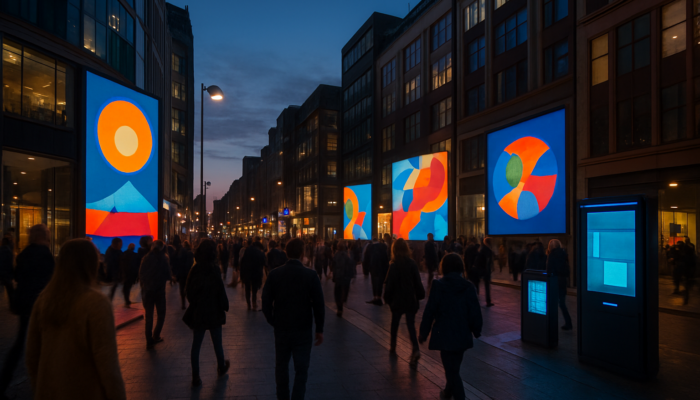
Digital advertising in urban settings refers to the strategic deployment of electronic displays, such as LED screens and interactive kiosks, positioned in high-traffic areas of cities. For small businesses in the UK, these platforms offer a significant opportunity to engage with potential customers in real time and nearby. The advertisements feature dynamic content that can be quickly updated, allowing businesses to respond promptly to local events, seasonal trends, or special promotions. Successfully implementing this form of advertising necessitates a comprehensive understanding of local regulations and laws governing signage, including the requirement for relevant permits for installing digital displays in public spaces.
To optimise the effectiveness of their advertising campaigns, small businesses must evaluate several critical factors. These factors include choosing the ideal locations for their advertisements, preferably in bustling shopping districts or at local events, understanding their target demographic, and clarifying the key messages they want to convey. Essential steps for successful implementation involve researching local advertising regulations, collaborating with technology providers for installation, and creating content that resonates with the local community. Businesses may also consider incorporating mobile engagement options, enabling customers to interact with advertisements through their smartphones and significantly enhancing customer interaction.
What Approaches Ensure Effective Digital Advertising Execution?
Crafting a successful digital advertising strategy hinges on a profound comprehension of the target audience and judicious resource allocation. Small businesses should focus on cost-effective solutions that heighten their visibility while adhering to UK advertising regulations. A practical method could involve utilising geolocation data to ensure that advertisements reach the right audience at optimal times. For instance, businesses can schedule ads to promote lunchtime specials when foot traffic peaks or highlight evening events as dusk falls.
Integrating social media initiatives with street advertising can substantially expand reach and engagement. For example, a charming café might encourage passers-by to share their experiences online through hashtag campaigns featured on digital displays. This strategy not only fosters community involvement but also enhances brand visibility among a broader audience. Regular evaluation of advertising effectiveness is crucial; businesses should adjust their strategies based on consumer feedback and analytical data to improve performance while ensuring compliance with advertising guidelines.
What Challenges Do Small Businesses Face in Digital Advertising?
Small enterprises across the UK encounter various hurdles when implementing digital advertising in urban environments. The unpredictable weather can affect the durability and visibility of outdoor advertisements, necessitating investments in weather-resistant technologies. stiff competition in high-traffic areas compels businesses to devise innovative methods to differentiate themselves. Additional challenges include navigating local regulations and securing necessary permits, which can vary significantly between local authorities.
- Ensuring digital displays are resilient against the UK's unpredictable weather conditions.
- Acquiring permits and adhering to local council regulations.
- Standing out amidst nearby businesses vying for consumer attention.
- Producing compelling content that resonates with local audiences.
- Maintaining equipment for optimal operation.
- Effectively monitoring and measuring advertising performance.
- Budget constraints limiting advertising possibilities.
- Adapting swiftly to shifts in consumer behaviour.
To mitigate these obstacles, businesses can collaborate with local councils or community organisations, sharing resources and insights. Embracing technology, such as weather-adaptive displays, can bolster resilience against climate-related challenges while ensuring that content remains relevant and engaging for prospective customers.
How Can Businesses Evaluate the Success of Their Digital Street Advertising Campaigns?

Assessing the effectiveness of street digital advertising involves focusing on key performance indicators (KPIs) vital for small businesses. Metrics such as footfall tracking, conversion rates, and levels of customer engagement offer valuable insights into how advertising influences business performance. Investing in analytical software that captures real-time data is essential, revealing how many individuals view the advertisements, demographic details of those who engage with them, and subsequent actions taken, such as store visits or interactions on social media.
For example, employing footfall counters helps businesses quantify increases in customer traffic linked to digital advertisements. Conversion tracking tools can determine how many of these visitors proceed to make purchases, providing a clearer understanding of return on investment (ROI). By consistently analysing these metrics, businesses can refine their campaigns for enhanced performance, ensuring that content remains dynamic and aligned with audience preferences over time.
How Can Businesses Create Synergistic Strategies Combining Street Advertising and Online Marketing?
Integrating street digital advertising with online marketing channels forms a cohesive marketing strategy for small businesses in the UK. This synergy not only enhances customer engagement but also fosters a seamless consumer journey from offline to online interactions. For instance, businesses can utilise QR codes displayed on street advertisements to direct potential customers to their websites or social media profiles for exclusive promotions or additional information.
Cross-promoting online campaigns alongside street advertising can significantly amplify reach and visibility. A local retailer might use social media to announce special in-store events while simultaneously promoting these events through digital advertisements on nearby street displays. This multi-channel strategy not only heightens brand visibility but also cultivates a community around the business, encouraging local patronage and fostering customer loyalty.
What Benefits Does Digital Advertising Offer for Small Businesses in Urban Locations?
How Does Digital Advertising Enhance Brand Visibility?
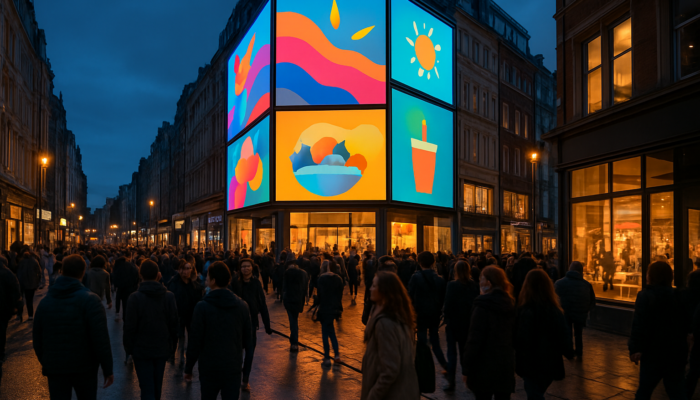
Digital advertising in urban settings significantly boosts brand visibility for small businesses throughout the UK. The vibrant nature of digital content—whether through animations, videos, or interactive features—captures the attention of passers-by, effectively driving foot traffic into shops. Strategically positioned advertisements in town centres or near popular attractions can reach large audiences, leaving an immediate and lasting impression on brand awareness.
For instance, a local bakery could display enticing images of freshly baked pastries on an LED screen during the busy morning rush, enticing commuters to stop in. The ability to quickly update content allows businesses to tailor their messages according to the time of day, local events, or seasonal promotions, ensuring that advertisements remain engaging and relevant. This flexibility not only drives foot traffic but also improves conversion rates, as potential customers are more likely to respond positively to personalised messages that resonate with their immediate context.
Which Interactive Techniques Can Enhance Audience Engagement?
Engaging audiences through interactive features in digital advertising can significantly strengthen customer connections. Techniques such as QR codes are particularly effective in British high streets, enabling small businesses to offer promotions, loyalty programmes, or surveys that collect valuable customer feedback. For example, a local pub might include a QR code on their digital display linking to a special offer for customers who scan it, creating an incentive for immediate interaction.
Other engaging strategies include digital polls or contests that encourage community participation and foster a sense of belonging among local consumers. By integrating these interactive elements, small businesses not only attract attention but also build strong relationships with their customers, leading to long-term loyalty. Collecting data through these interactions allows businesses to further refine their marketing strategies, enhancing overall effectiveness and relevance in a competitive landscape.
Which Metrics Should Be Monitored to Evaluate Advertising Campaign Success?
Monitoring the effectiveness of street digital advertising campaigns is crucial for assessing their impact on small businesses. Tools such as footfall analytics enable enterprises to quantify the number of visitors influenced by their advertising efforts. By merging this data with social media performance, businesses gain a comprehensive understanding of their marketing effectiveness.
Companies should utilise platforms that provide analytics dashboards to track vital metrics such as engagement rates, click-through rates from QR codes, and conversion rates. These insights empower businesses to adjust their campaigns based on real-time performance, modifying content and strategies to maximise impact and ROI. Regularly reviewing these metrics also aids in identifying emerging trends in consumer behaviour, allowing businesses to stay ahead and adapt their marketing efforts accordingly.
Expert Strategies for Effective Digital Advertising for Small Enterprises in Urban Areas
What Insights Can Be Gained from Successful Campaigns Across the UK?
Examining successful street advertising campaigns throughout the UK offers invaluable insights into effective strategies for small businesses. In London, a small florist employed geofencing technology to send notifications to potential customers within a specific radius of their shop, promoting same-day delivery during peak seasons. This targeted strategy not only increased foot traffic but also significantly boosted online orders, showcasing the power of location-based marketing.
Similarly, a café in Manchester capitalised on local themes by displaying digital advertisements that highlighted cherished local landmarks and seasonal events, creating a sense of community connection. By customising their messages to resonate with the local audience, they witnessed a marked increase in customer visits, particularly during festivals and holidays. These real-world examples illustrate how small businesses can creatively leverage digital street advertising to achieve tangible growth and community engagement.
How Can Businesses Ensure Compliance with Best Advertising Practices?
Adhering to UK advertising regulations is essential for small businesses looking to build trust and credibility through street advertising. Following Advertising Standards Authority (ASA) guidelines is crucial to ensure that advertising content is clear and not misleading, maintaining ethical standards. Small enterprises should ensure their digital advertisements accurately represent promotions and the products or services offered.
Incorporating ethical digital strategies—such as respecting consumer privacy when collecting data through interactive advertisements—is vital. Engaging customers in a manner that prioritises their experience and preferences helps to cultivate a loyal customer base while enhancing brand reputation. Regularly reviewing advertising practices ensures compliance with evolving regulations and consumer expectations, promoting a sustainable approach to digital marketing in urban environments.
What Advanced Tools Can Elevate Advertising Efforts?
Leveraging cutting-edge technology is essential for enhancing the effectiveness of street digital advertising. For small businesses in the UK, investing in software that provides weather-adaptive displays can significantly improve ad visibility and engagement. These displays adjust their brightness and content based on current weather conditions, ensuring that advertisements remain impactful regardless of external factors.
Analytics tools that offer real-time data on ad performance can assist businesses in making informed decisions regarding content and placement. By harnessing these technologies, small businesses can optimise their advertising strategies to yield measurable results, ensuring that their marketing efforts are both efficient and effective in attracting customers in urban environments.
Proven Strategies for Digital Advertising in Urban Settings for Small Enterprises
Why Is Urban Integration Crucial for Advertising Success?
Integrating digital advertising into the urban landscape is vital for maximising impact within city environments. Small businesses can enhance visibility by placing advertisements in high-footfall locations, such as shopping districts, transport hubs, or event venues. For instance, during the Edinburgh Festival, local enterprises that aligned their advertisements with festival themes experienced a significant increase in customer engagement and loyalty, successfully capitalising on the influx of visitors seeking local experiences.
To effectively leverage urban integration, businesses should consider the aesthetics of their advertisements, ensuring they harmonise with their surroundings. Collaborating with local artists or incorporating community themes can enhance the appeal of digital advertisements, making them resonate with both residents and tourists. By focusing on urban integration, small enterprises can create lasting impressions that drive foot traffic and strengthen community ties.
How Can Businesses Forge Strong Partnerships with Local Entities?
Establishing partnerships with local organisations, councils, or retail associations can significantly expand the reach of street advertising campaigns for small businesses. Collaborations allow businesses to align their advertising efforts with community events, seasonal promotions, or local initiatives, thereby enhancing visibility without incurring substantial costs. For example, a small fashion boutique might partner with a local charity event to promote their involvement through joint advertising efforts, reaching a broader audience while supporting a meaningful cause.
Local partnerships can provide valuable insights into community preferences and trends, enabling businesses to tailor their messaging effectively. By leveraging the resources and networks of local partners, small businesses can strengthen their marketing strategies, ensuring that their street advertisements resonate with the public and contribute to overall community engagement.
What Does Transitioning from Pilot Projects to Comprehensive Advertising Implementation Involve?
Expanding digital advertising campaigns from pilot projects to full-scale initiatives requires meticulous planning and resource management. Small businesses should begin by evaluating the success of initial campaigns, using data to pinpoint effective strategies and areas needing improvement. Once confident in their approach, businesses can scale their efforts to additional locations, adapting content and placement according to local demographics and preferences.
Effective budgeting plays a crucial role in this process, as small enterprises must allocate resources wisely to avoid overspending. Testing new locations with small-scale campaigns can mitigate risks and offer insights into potential returns on investment before fully committing to larger initiatives. By managing growth thoughtfully, small businesses can navigate the complexities of scaling their digital advertising efforts across diverse regions in the UK.
How Can Social Media Synergy Amplify Street Advertising Impact?
Integrating social media platforms with street advertising presents a powerful strategy for small businesses seeking to enhance engagement and visibility. For instance, a local restaurant could promote a digital advertisement encouraging passers-by to share their dining experiences on Instagram, using a specific hashtag linked to a promotional offer. This synergy not only drives foot traffic but also fosters online discussions about the brand.
In Manchester, businesses have successfully utilised geotagged social media posts to boost the visibility of their street advertisements. By encouraging customers to interact with ads online and share their experiences, enterprises create a vibrant online community that translates into increased footfall. This approach ensures that marketing efforts are cost-effective, leveraging organic social media reach alongside paid advertising to maximise impact.
What Key Steps Should Small Businesses Follow to Implement Digital Advertising in Urban Locations?
What Initial Steps Are Necessary for Digital Advertising Success?
The first steps for small businesses aiming to implement digital advertising in urban settings involve comprehensive site assessments. Understanding the local environment is crucial; businesses must identify ideal locations for their advertisements—sites with high visibility and foot traffic. Navigating the permit process is essential; businesses should collaborate with local councils to obtain the necessary approvals for outdoor advertising.
Addressing technological requirements is also vital to ensure a successful launch. This includes selecting appropriate hardware and software solutions for ad display and content management. Partnering with reputable technology providers can facilitate the setup process, enabling businesses to deliver dynamic and engaging content effectively. With a solid foundation in place, small businesses can confidently launch their digital advertising campaigns.
How Can Integration with Online Marketing Channels Foster Cohesion?
Linking street advertising with online marketing channels is critical for creating cohesive marketing campaigns that enhance both online engagement and offline visits. Small enterprises can connect their street advertisements to their websites and social media profiles, providing consumers with easy access to additional information and promotions. For example, a local shop might advertise a limited-time offer on a digital display while encouraging viewers to visit their website for further details.
This cross-channel approach promotes a seamless consumer journey, allowing customers to engage with the brand through multiple avenues. By ensuring that street advertising aligns with online content, small businesses create a consistent brand message that resonates across various platforms. Prompting consumers to participate in online discussions related to their street ads fosters overall engagement and builds a community around the business.
What Budgeting Strategies Should Be Adopted for Advertising Initiatives?
Effective budgeting is essential for small businesses planning to invest in digital street advertising. Enterprises should explore affordable options, such as pop-up displays or digital kiosks, which can be significantly less expensive than permanent installations. Allocating resources wisely entails understanding potential returns on investment and prioritising high-impact advertising locations while keeping costs manageable.
- Research local advertising costs to establish a realistic budget.
- Consider temporary campaigns to evaluate effectiveness before larger investments.
- Utilise technology that offers flexibility in content adjustments.
- Monitor expenses closely to modify campaigns based on performance.
- Explore partnerships to share advertising costs with local enterprises.
- Leverage social media platforms to extend reach without significantly increasing costs.
- Plan seasonal campaigns to maximise impact during peak periods.
- Assess the success of each campaign to inform future budget decisions.
By adopting these budgeting strategies, small businesses can enhance their impact while ensuring financial sustainability in their advertising efforts.
How Can the Effectiveness of Street Advertising Campaigns Be Assessed?
To evaluate the success of digital street advertising campaigns, small businesses must identify key metrics that reflect performance. Metrics such as increased foot traffic, conversion rates, and consumer engagement levels are essential for assessing ROI. Implementing analytical tools that provide insights into these areas enables businesses to continuously refine their strategies.
Regularly reviewing campaign performance metrics allows businesses to make data-driven decisions, adjusting content and placement based on what resonates with their audience. For instance, if specific messaging results in higher conversion rates, businesses can focus on similar themes in future campaigns. Ongoing measurement and optimisation are vital for maximising the success of street advertising initiatives.
What Common Challenges Must Be Addressed in Digital Street Advertising?
Small enterprises face a variety of challenges in digital street advertising, including unpredictable weather, regulatory compliance, and intense competition. Adapting to the UK's often inclement weather necessitates investing in durable, weather-resistant displays that maintain visibility and functionality. Comprehending and adhering to local regulations regarding outdoor advertising is crucial for avoiding fines and ensuring compliance.
To counter competition, small businesses should focus on crafting unique, engaging content that appeals to local audiences, helping them stand out in crowded areas. Practical strategies include leveraging local partnerships to share resources and insights, as well as utilising social media to expand their presence beyond physical advertisements. By proactively addressing these challenges, small businesses can enhance the effectiveness and longevity of their street advertising campaigns.
Future Directions: The Evolution of Digital Advertising for Small Enterprises in Urban UK Areas
How Will Technological Advancements Shape Future Advertising Strategies?
The future of digital advertising in urban settings for small businesses is set to witness exciting developments, particularly with the integration of artificial intelligence (AI). AI-driven advertisements can personalise content based on consumer behaviour and preferences, creating tailored experiences that resonate with individuals. This capability will allow businesses to dynamically optimise their advertising strategies, enhancing engagement in real time.
The anticipated adoption of augmented reality (AR) technology in street advertising will enable consumers to interact with advertisements in immersive ways. For instance, a small retailer might use AR to showcase products through digital displays, allowing customers to visualise items in their own environments. As technology advances, small businesses that embrace these innovations will be well-positioned to effectively engage customers in bustling urban areas.
How Can Sustainability Be Integrated into Advertising Practices?
As environmental awareness grows, eco-friendly trends in digital street advertising are becoming increasingly important for small businesses in the UK. Sustainable practices, such as using solar-powered digital displays, not only reduce carbon footprints but also align with national green initiatives, appealing to eco-conscious consumers. Businesses that proactively adopt sustainable practices can foster a positive brand image and encourage loyalty among environmentally aware customers.
Incorporating recyclable materials in advertising structures and leveraging energy-efficient technologies contribute to a more sustainable advertising ecosystem. As regulations surrounding sustainability tighten, businesses that embrace these practices will not only comply with new laws but also position themselves as leaders in responsible marketing. This alignment with sustainability trends is quickly becoming a competitive differentiator in the marketplace.
How Can Businesses Adapt to Shifts in Consumer Preferences for Engaging Advertising?
Consumer preferences are continually evolving, particularly towards interactive and engaging advertising formats. Small businesses in the UK must remain attuned to these shifts, adapting their strategies to include interactive features that encourage consumer participation. This could involve gamification elements within digital advertisements, prompting customers to actively engage with the content.
For example, a local attraction could implement digital displays that invite passers-by to participate in quizzes or challenges, offering rewards for engagement. By creating immersive experiences that resonate with current consumer trends, small businesses can maintain relevance and strengthen their connections with the community. Staying ahead of these evolving preferences is crucial for ongoing success in digital street advertising.
What Influence Will Regulatory Changes Have on Advertising Practices?
As digital advertising evolves, the regulatory landscape in the UK also changes. Upcoming regulations regarding data protection and privacy could significantly influence how small businesses approach digital street advertising. Compliance with laws such as the General Data Protection Regulation (GDPR) is essential to avoid penalties and build consumer trust.
Businesses must ensure that any data collected through interactive advertisements is managed responsibly and ethically. This includes providing clear information regarding data usage and obtaining explicit consent from consumers. As regulations continue to evolve, small businesses should remain informed and adapt their advertising strategies to ensure compliance, minimising risks associated with potential legal challenges. Proactive measures will help maintain ethical practices and enhance credibility within the marketplace.
How Can Social Media and Street Advertising Be Integrated for Enhanced Engagement?
For small businesses in the UK, merging social media platforms with street advertising creates a synergistic marketing approach that boosts overall engagement. By encouraging consumers to connect with their brands on social media, businesses can amplify the reach of their street advertisements. For instance, a local market might display ads prompting customers to share their experiences online, using hashtags that resonate within the community.
This strategy not only increases visibility but also fosters a sense of community around the brand, encouraging organic social interactions that drive foot traffic. Incorporating user-generated content from social media into street ads can further enhance authenticity and belonging, strengthening consumer engagement. As the digital landscape continues to evolve, small businesses that effectively integrate social media with their advertising efforts will remain competitive in bustling urban environments.
What Frequently Asked Questions Should Businesses Consider Regarding Digital Advertising Strategies?
Which Types of Digital Advertising Are Most Effective for Small Enterprises in the UK?
Digital signage, social media advertisements, and geofencing campaigns have proven particularly effective because they can be tailored to local audiences and adapt promptly to market changes.
How Can Small Businesses Assess the Success of Their Street Advertising Campaigns?
Utilising footfall analytics, conversion tracking, and engagement metrics enables businesses to evaluate the effectiveness of their digital advertising initiatives.
What Common Challenges Are Encountered in Street Advertising?
Weather conditions, compliance with local regulations, and competition for visibility rank among the primary challenges small businesses face in street advertising.
How Can Small Businesses Integrate Street Ads with Online Marketing Strategies?
By linking digital street advertisements to their websites and social media accounts, businesses can create cohesive campaigns that drive both online engagement and foot traffic.
What Advantages Do QR Codes Provide in Street Advertising?
QR codes facilitate instant consumer engagement by directing potential customers to promotions, surveys, or additional information, thereby enhancing interaction.
How Can Technology Enhance Digital Street Advertising?
Advanced technologies such as AI and augmented reality can personalise content and create immersive experiences, leading to heightened customer engagement and conversion rates.
What Role Do Local Partnerships Play in Successful Street Advertising?
Collaborating with local councils and businesses enhances the reach and effectiveness of street advertising campaigns while fostering community relationships.
Why Is Compliance with Advertising Regulations Important?
Compliance is essential to avoid legal complications and build trust with consumers, ensuring that advertising practices remain ethical and transparent.
What Budgeting Strategies Should Small Businesses Implement for Street Advertising?
Businesses should research local advertising costs, consider temporary campaigns, and closely monitor expenses to optimise their budgets effectively.
Which Future Trends Should Small Businesses Monitor in Street Advertising?
Emerging trends include the adoption of eco-friendly technologies, interactive advertising formats, and the integration of social media strategies to enhance consumer engagement.
Join us on Facebook for the latest updates!
The post Digital Advertising in Street for Small Business appeared first on SEO Pitstop.
The Article Digital Advertising Strategies for Small Businesses on Streets Was Found On https://limitsofstrategy.com
The Article Digital Advertising Strategies for Street-Savvy Small Businesses found first on https://electroquench.com