How Can You Access Diabetes Testing Facilities in Gateshead?
Convenient Local Clinics Offering Testing Services
Private Diabetes Blood Testing in Gateshead: Local residents can conveniently access NHS-affiliated locations, including the Queen Elizabeth Hospital and various GP practices, for diabetes blood tests. These facilities ensure prompt appointment scheduling and dependable results through the national health service, enhancing community health management.
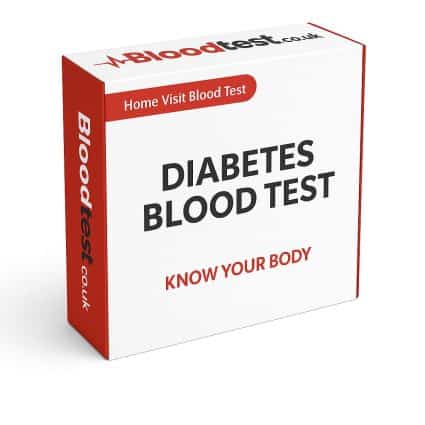

The availability of these clinics is crucial for the early detection and management of diabetes. With a robust network of healthcare facilities, residents can receive timely interventions and ongoing support. This framework is essential for maintaining high community health standards.
Incorporating <a href="https://electroquench.com/diabetes-blood-test-nhs-guidance-for-kidderminster-residents/">diabetes testing</a> into routine healthcare fosters a proactive approach to managing the disease. Patients can obtain necessary medical care without enduring lengthy wait times or complicated processes, allowing them to effectively prioritise their health.
What Are the Variations in Opening Hours of Clinics?
Testing facilities in Gateshead generally operate from early morning until evening on weekdays, with several locations offering Saturday appointments for working individuals seeking diabetes blood tests. This flexibility is essential for those balancing work commitments with personal health needs.
Many clinics strive to provide extended hours to meet patient demands. By offering testing services beyond regular working hours, more individuals can access vital healthcare without disrupting their daily routines.
This arrangement not only enhances patient satisfaction but also encourages regular testing within the community. Such accessibility is particularly important within a healthcare system like the NHS, where ease of access can significantly influence health outcomes.
What Is the Referral Process for Diabetes Testing?
General practitioners in Gateshead frequently utilise the NHS electronic system to refer eligible patients for diabetes blood tests. This streamlined approach allows patients to access essential testing while ensuring high standards of care and follow-up support.
The electronic referral system enhances communication between healthcare providers, leading to quicker decision-making and improved patient management. This integration is vital for timely interventions that can profoundly affect long-term health outcomes.
Utilising electronic referrals alleviates administrative burdens for both patients and healthcare providers, resulting in a more seamless experience. Patients can trust that their healthcare journey is being managed competently and with their best interests at heart.
Who Is Eligible for Diabetes Testing?
Age and Risk Factor Considerations for Testing Eligibility
Adults aged 40 and above, along with individuals with a family history of diabetes in Gateshead, qualify for NHS diabetes blood tests. This proactive strategy aids in the early detection of potential issues through routine screening programmes, ensuring timely care for at-risk individuals.
- Age over 40
- Family history of diabetes
- Obesity or being overweight
- High blood pressure
- Elevated cholesterol levels
- History of gestational diabetes
- Sedentary lifestyle
These key risk factors assist healthcare providers in identifying individuals who may benefit from regular monitoring and intervention. By focusing on these criteria, resources can be allocated efficiently, ultimately enhancing health outcomes within the community.
Emphasising early detection leads to improved diabetes management, reducing the risk of complications and enhancing the quality of life for those affected. Regular screenings can facilitate tailored care plans that meet individual needs.
What Symptoms Indicate the Need for Testing?
Symptoms such as persistent thirst, fatigue, or unexplained weight changes should prompt healthcare practitioners in Gateshead to recommend diabetes blood tests as part of standard NHS diagnostic protocols. Recognising these warning signs early is vital for effective diabetes management.
Patients experiencing these symptoms should seek medical advice promptly. Early intervention can prevent the progression of diabetes and minimise the risk of severe complications. Healthcare professionals are trained to recognise these indicators and respond appropriately.
Encouraging patients to remain proactive about their health and seek assistance when needed is a central aim of the NHS. This strategy not only benefits individual patients but also strengthens the overall health of the community.
How Do Pre-Existing Health Conditions Influence Testing?
Residents in Gateshead managing conditions such as hypertension or obesity often receive invitations for diabetes blood tests during annual NHS health reviews. These reviews aim to monitor potential complications and ensure individuals receive appropriate care.
Patients with existing health issues face a higher risk of developing diabetes, making regular testing essential. This proactive approach enables healthcare providers to detect changes in health status and adjust treatment plans as necessary.
Including diabetes testing in routine health assessments highlights the importance of comprehensive care. By addressing multiple health concerns simultaneously, healthcare providers can offer more effective and personalised treatment strategies.
Insights from Experts on Diabetes Blood Testing in Gateshead
Real-Life Case Studies from NHS Practitioners
Healthcare professionals in Gateshead present case studies demonstrating how timely diabetes blood tests have led to improved patient outcomes through personalised NHS care plans and ongoing monitoring. These real-life examples illustrate the effectiveness of early detection and intervention.
For instance, patients who received early diagnoses were able to implement lifestyle changes that significantly enhanced their health. Such success stories serve as a powerful motivator for others to prioritise their health and engage in regular testing.
Insights from healthcare professionals underscore the significance of community health initiatives. By showcasing successful outcomes, practitioners can inspire more residents to utilise health services and actively manage their wellbeing.
Assessing Test Accuracy
Experts in Gateshead stress the precision of HbA1c diabetes blood tests conducted in accordance with NHS guidelines, minimising the risk of misdiagnosis for local communities. The accuracy of these tests is critical for effective diabetes management.
Healthcare professionals are trained to interpret results accurately, ensuring patients receive correct diagnoses and treatment plans. This level of expertise is essential in a field where timely and accurate information can significantly influence health outcomes.
A commitment to maintaining high testing standards fosters public trust in the healthcare system. Patients can be assured that their health is in capable hands, promoting better engagement and adherence to treatment plans.
Recommended Actions for Patients
Experts in Gateshead recommend that patients schedule appointments through GP surgeries and adequately prepare for diabetes blood tests to ensure a smooth NHS experience and accurate results. Preparation is vital for achieving reliable test outcomes.
Patients should feel encouraged to discuss any queries regarding the testing process with their GPs. Understanding what to expect can reduce anxiety and lead to a more positive experience. This proactive approach helps patients take control of their health journey.
Following pre-test instructions, such as fasting or avoiding certain foods, can significantly impact the accuracy of results. By taking these preparatory steps, patients can enhance their health outcomes and ensure they receive the best possible care.
The Significance of Early Detection
Healthcare professionals in Gateshead highlight how early diabetes blood tests, conducted in alignment with NHS protocols, can prevent severe complications. Early detection greatly enhances the quality of life for residents through proactive and tailored care strategies.
By identifying diabetes at an early stage, healthcare providers can implement lifestyle changes and treatment plans that lower the risk of serious complications. This approach benefits not only individual patients but also alleviates pressure on the healthcare system.
Early detection promotes a culture of health awareness within the community. As residents become better informed about diabetes and its associated risks, they are more likely to adopt preventive measures and pursue regular health check-ups, resulting in an overall healthier population.
Research-Backed Advantages of Diabetes Blood Testing in Gateshead
What Benefits Does Early Detection Offer?
Research indicates that regular diabetes blood tests in Gateshead enable timely NHS interventions, significantly lowering the risk of complications such as neuropathy for residents. Early detection is crucial for effective diabetes management.
Studies suggest that individuals who undergo consistent testing are less likely to experience severe health complications. By detecting diabetes early, healthcare providers can implement lifestyle adjustments and treatments that markedly improve health outcomes.
This proactive approach not only benefits individual patients but also enhances the overall health of the community. By reducing the incidence of complications, the NHS can allocate resources more effectively and elevate public health standards.
How Do Test Results Influence Treatment Plans?
NHS data from Gateshead reveals that diabetes blood test results directly inform adjustments to medications and lifestyle recommendations, thereby enhancing long-term health management. The outcomes of these tests are essential in developing personalised care plans.
Healthcare professionals analyse test results to identify the most suitable treatment strategies for each patient. This tailored approach ensures individuals receive care based on their unique health profiles.
Incorporating test results into ongoing health reviews facilitates continuous monitoring and modifications to treatment plans. This dynamic strategy enhances patient engagement and fosters better health outcomes over time.
Financial Benefits for Residents
Research shows that accessible diabetes blood tests through NHS services in Gateshead can prevent costly hospital visits by identifying issues before they escalate. Early intervention supports both health and financial sustainability.
By prioritising regular testing, residents can avoid significant costs associated with advanced diabetes complications. This proactive strategy ultimately benefits both patients and the healthcare system, reducing the strain on NHS resources.
The focus on preventive care fosters a culture of health awareness within the community. As residents become more engaged with their health, they are more likely to seek regular check-ups, further improving public health outcomes.
What Is the Procedure for Testing at Local Clinics?
How Are Samples Collected?
A small blood sample taken from the arm is the standard method used at Gateshead NHS clinics for diabetes blood tests, efficiently conducted by trained phlebotomists. This straightforward process minimises discomfort while maximising efficiency for patients.
Patients are typically guided through the procedure to ensure they know what to expect. This transparency helps alleviate anxiety about blood tests, creating a more positive experience for all involved.
The professionalism of healthcare staff fosters a reassuring atmosphere. Patients can feel confident that their health is being prioritised, allowing them to focus on their wellbeing rather than the testing process itself.
What Is the Duration of Laboratory Analysis?
Samples from Gateshead are analysed at regional NHS laboratories, with diabetes blood test results usually available within a few working days. This quick turnaround is essential for effective health management.
Timely access to results enables healthcare providers to implement necessary interventions without delay. This efficiency is particularly crucial for individuals requiring immediate care based on their test results.
The commitment to prompt analysis reflects the NHS’s dedication to patient care. By ensuring that results are available quickly, the NHS reinforces its role as a trusted healthcare provider within the community.
What Occurs After Testing?
Residents of Gateshead discuss their results with their GP following diabetes blood tests, allowing NHS teams to recommend further checks or treatments as necessary. This follow-up is essential for ensuring comprehensive patient care.
During these discussions, healthcare providers can clarify the implications of test results and outline possible next steps. This level of communication promotes a collaborative approach to health management.
Post-test consultations provide patients with the opportunity to ask questions and address concerns. This engagement is critical for enhancing health literacy and empowering individuals to take an active role in their healthcare.
What Pre-Test Guidance Should Patients Adhere To?
Patients attending Gateshead NHS clinics for diabetes blood tests receive detailed instructions regarding fasting and avoiding specific foods beforehand to ensure the accuracy of their samples. Following these guidelines is crucial for obtaining reliable results.
Healthcare professionals stress the importance of adhering to pre-test protocols. Clear communication ensures that patients understand their responsibilities in the testing process and the potential impact of their actions on results.
By preparing diligently, patients contribute to the success of their health assessments. This proactive approach not only enhances the testing experience but also reinforces the significance of personal responsibility in health management.
How Is Confidentiality Maintained During Testing?
All patient data collected from diabetes blood tests at Gateshead NHS clinics remains strictly confidential, in accordance with NHS data protection policies. Safeguarding individual privacy is a top priority throughout the entire process.
Patients can trust that their personal information will be handled with care and respect. This commitment to confidentiality nurtures a strong relationship between healthcare providers and patients, encouraging open communication and trust.
Adherence to data protection policies underscores the NHS’s dedication to ethical practices. By prioritising patient privacy, the NHS reinforces its role as a responsible healthcare provider within the community.
How to Identify Reliable Providers for Follow-Up Care
NHS Options for Continuity of Care
Patients in Gateshead can consistently rely on the same GP practice for follow-up reviews of diabetes blood test results, ensuring a continuity of NHS support and record-keeping. This consistency is crucial for effective health management.
- Queen Elizabeth Hospital
- Gateshead Health Centre
- Local GP practices
- Community health services
- Diabetes specialist clinics
Maintaining a consistent point of contact within the healthcare system allows patients to build relationships with their providers. This familiarity can enhance communication and improve the overall quality of care received.
Continuity in care facilitates more efficient tracking of health progress. Healthcare providers can monitor changes and adjust treatment plans as necessary, leading to enhanced health outcomes for patients.
The Role of Community Pharmacies in Diabetes Care
Certain pharmacies in Gateshead offer additional diabetes blood test advice under NHS initiatives, providing convenient access for ongoing management between doctor visits. These pharmacies play a crucial role in supporting patient health.
Community pharmacists are often more accessible than traditional healthcare providers, allowing patients to seek advice and support without the need for an appointment. This flexibility encourages individuals to engage more actively with their health.
Pharmacists can provide valuable insights into medication management and lifestyle adjustments. By collaborating with GPs, they contribute to a comprehensive approach to diabetes care that benefits the entire community.
Pathways for Specialist Referrals
Complex cases in Gateshead may require referrals to hospital diabetes clinics through the NHS after initial blood tests, ensuring patients receive expert multidisciplinary care. This pathway guarantees that patients obtain the specialised attention they may require.
Patients with intricate health profiles benefit from the expertise of a team of professionals, including endocrinologists and dietitians. This collaborative strategy enhances the quality of care and improves health outcomes.
The referral process is streamlined, allowing timely access to specialised services. This efficiency is critical for managing complex diabetes cases and ensuring patients receive optimal care.
District Nursing Services for Home-Based Follow-Up Care
Patients in Gateshead with limited mobility can receive visits from district nurses for home-based follow-ups of diabetes blood tests through NHS community teams. This service supports regular monitoring and personalised advice without requiring clinic visits.
District nurses play a vital role in ensuring that all patients, regardless of mobility, receive the care they need. This approach promotes inclusivity and guarantees that healthcare services are accessible to everyone in the community.
Home visits allow for a more personalised approach to care. Nurses can assess patients’ home environments and provide tailored advice that considers their unique circumstances, improving overall health management.
Telehealth Consultation Opportunities for Convenient Care
Approved NHS telehealth platforms in Gateshead facilitate remote reviews of diabetes blood test results, enabling flexible follow-up care with healthcare providers while maintaining secure records and continuity of care. This innovation enhances accessibility for patients.
Telehealth consultations are particularly advantageous for individuals with busy schedules or mobility challenges. By providing remote access to healthcare professionals, patients can receive timely advice without needing in-person appointments.
Telehealth services promote ongoing engagement with healthcare providers. Patients can maintain regular communication regarding their health, ensuring they remain informed and involved in their healthcare journey.
Commonly Asked Questions
What is a diabetes blood test?
A diabetes blood test assesses glucose levels in your blood to determine if you have diabetes or are at risk. It aids in the early identification of the condition, allowing for timely intervention.
How frequently should I undergo testing for diabetes?
Adults over 40 or those with risk factors should be tested every three years. Individuals with pre-existing conditions may require more frequent assessments.
Can I obtain a blood test for diabetes without a referral from my GP?
In most cases, a referral from your GP is necessary for an NHS diabetes blood test. Some community pharmacies may offer direct testing services.
What should I do if my test results are elevated?
If your test results indicate high glucose levels, consult your GP promptly. They can provide guidance on lifestyle modifications, further testing, and potential treatments.
Are diabetes blood tests painful?
The blood draw for diabetes testing is typically quick and minimally uncomfortable. Trained phlebotomists ensure the process is as painless as possible.
How long does it take to receive results?
Results from diabetes blood tests are generally available within a few working days. Your GP will discuss the results with you and recommend subsequent steps.
What are the common symptoms of diabetes?
Common symptoms include increased thirst, frequent urination, fatigue, and unexplained weight loss. If you experience these symptoms, consult your GP for testing.
Can lifestyle changes reverse diabetes?
In some cases, lifestyle modifications such as improved diet and increased exercise can assist in managing and even reversing type 2 diabetes. Early intervention is crucial for achieving this.
Does the NHS cover diabetes testing?
Yes, diabetes blood tests are covered by the NHS for eligible patients. Consult your GP to determine if you qualify for testing under NHS guidelines.
What occurs during a diabetes blood test?
During a diabetes blood test, a small blood sample is drawn, typically from your arm. The sample is then sent to a laboratory for analysis, and the results are provided to your GP.
Follow us on Facebook for the latest updates!
This Article Was First Published On https://bloodtest.co.uk
The Article Diabetes Blood Test Guide: NHS Testing in Gateshead found first on https://electroquench.com