Recognise and Mitigate Electrocution Risks for Your Beloved Pets
Spotting Common Electrical Hazards in Your Home
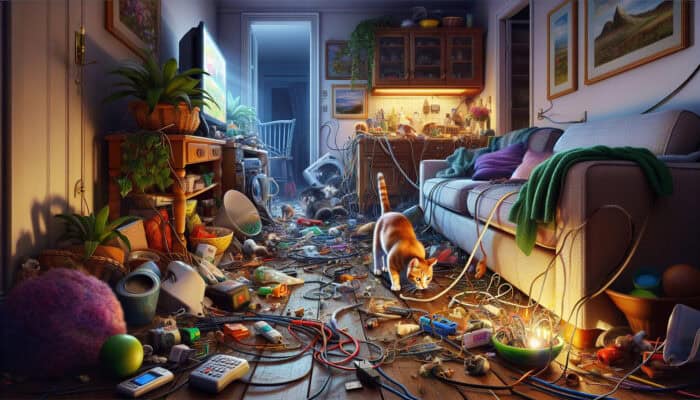
Pets are inherently curious creatures, often exploring their surroundings through taste and touch, which makes them particularly susceptible to electrical hazards. These dangers can take many forms, from exposed wires to malfunctioning appliances, each posing a significant threat to their overall health and safety. In a bustling household, it is all too easy for potential electrical dangers to go unnoticed. Early detection of these risks is vital for preventing accidents and ensuring a secure environment for your cherished pets.
- Exposed electrical cords, especially those frayed or chewed by pets.
- Unprotected electrical outlets within reach of pets.
- Faulty appliances showing visible wear or unusual functioning.
- Toxic indoor plants that could harm pets if ingested, particularly when near electrical devices.
- Overloaded extension cords that could overheat, leading to fire hazards.
- Charging device wires left on the floor, accessible to pets.
- Light fixtures within jumping or climbing distance of pets.
- Indoor and outdoor pools with electrical equipment or lighting nearby.
Conducting regular inspections of your living environment for these potential dangers can significantly reduce the chances of accidents. Simple preventive measures, such as employing cord protectors, properly securing loose wires, and staying vigilant about the condition of your electrical devices, can create a pet-friendly environment. Awareness is the first step toward ensuring your home is free from electrical hazards, ultimately safeguarding the lives of your furry companions.
How Can You Recognise Symptoms of Electrocution in Your Pets?
Recognising the signs of electrocution in pets is critical for providing timely intervention and facilitating recovery. When pets undergo electrical shock, they may display a variety of behavioural and physical symptoms. Common indicators can encompass sudden behavioural changes like lethargy, disorientation, or unusual vocalisations. Physical manifestations could include burn marks on the skin, laboured breathing, or even seizures in severe instances.
When a pet suffers from electrocution, the immediate response can profoundly influence their recovery trajectory. If you notice any of these symptoms, seeking veterinary assistance at once is essential. The sooner medical intervention occurs, the better the prognosis for your pet. Moreover, recognising these symptoms can help stave off long-term complications and ensure that your pet receives appropriate care.
Being proactive about your pet’s safety involves not only identifying hazards but also being prepared to act swiftly when emergencies arise. Regular education and awareness empower pet owners to respond effectively, alleviating the stress associated with potential electrical threats and ensuring a healthier, happier life for their pets.
What Steps Should You Take to Assess Household Vulnerabilities to Electrical Dangers?
Every home has unique vulnerabilities that can jeopardise pets, particularly concerning electrical safety. Common household items can become dangerous if not handled with care. For instance, phone chargers, laptop cords, and various electrical devices commonly found in homes can easily attract curious pets. To evaluate your home for potential electrical vulnerabilities, conducting routine checks is advisable.
Begin by assessing the areas where electrical items are typically located. Search for loose cords, easily accessible outlets, or appliances that may be outdated. Creating a detailed checklist can streamline this evaluation:
- Assess the condition of all visible electrical cords and plugs.
- Ensure that outlets frequently used by pets are equipped with safety covers.
- Consider relocating cords and devices to areas that are less accessible.
- Inspect appliances for any signs of wear, excessive heat, or strange noises.
- Organise wires to reduce the risk of chewing or tangling.
- Examine areas with potential water exposure that could interact with electrical devices.
- Review furniture layout to ensure it does not inadvertently create climbing opportunities for pets.
- Implement a routine inspection schedule to consistently monitor and manage hazards.
By adopting a proactive stance in evaluating and addressing household vulnerabilities, you can create a safer living environment that accounts for your pet's natural curiosity. Regular assessments not only help pinpoint potential dangers but also foster habits that promote enduring safety for your furry friends.
What Are the Most Effective Practices for Preventing Electrocution in Your Pets?
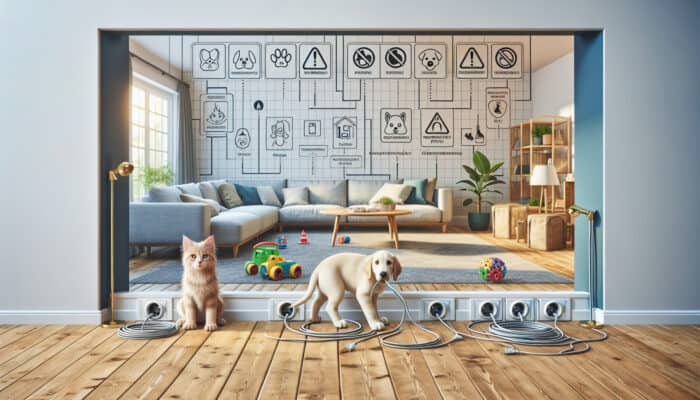
How to Ensure Electrical Outlet Safety for Pets
Securing electrical outlets is a vital measure in protecting pets from accidental electrocution. Uncovered outlets can attract curious pets, leading to hazardous situations. Fortunately, there are effective and practical solutions for covering or protecting outlets that are widely accessible.
Consider implementing these proactive strategies: First, utilise outlet covers that fit securely into the sockets, preventing pets from probing them with their noses or paws. These covers are readily available at pet supply stores or online retailers. Furthermore, rearranging furniture or other objects to obstruct access to low outlets can create a natural barrier.
- Install tamper-resistant outlets specifically engineered to prevent accidental access.
- Utilise cord management systems to minimise visible wires.
- Employ power strips with integrated safety features to mitigate overloading risks.
- Keep furniture positioned away from walls to deter pets from climbing and gaining access to outlets.
- Regularly check covers to ensure they remain securely fitted and undamaged.
- Educate family members on the importance of maintaining a clutter-free space around outlets.
- Consider consulting an electrician for expert guidance on additional safety measures.
- Use decorative outlet covers that harmonise with your decor while ensuring safety.
By adopting these strategies, you can create an environment free from electrical hazards that not only protects your pets but also contributes to a more organised living space. Taking such steps guarantees peace of mind for pet owners, knowing they have actively reduced the risk of electrical accidents.
Utilising Protective Covers and Barriers for Enhanced Safety
Protective covers and barriers are crucial elements in shielding pets from electrical dangers. These materials effectively prevent pets from accessing potentially harmful wires and devices. Investing in durable options that cater to various environments is essential for establishing a reliable defence.
For example, cord protectors come in various styles, such as plastic tubing or fabric sleeves that encase cables. These products can greatly reduce the likelihood of pets chewing on cords, which is a common cause of electrocution. Additionally, implementing barriers such as gates or pet playpens can help confine pets to designated areas within your home, minimising their exposure to electrical hazards.
Consider these practical options when implementing protective covers and barriers:
- Select cord protectors compatible with different wire types to ensure comprehensive coverage.
- Utilise heavy-duty adhesive tape to secure cords against baseboards or furniture.
- Install wall-mounted cable trays to keep wires out of reach.
- Consider using furniture designed with built-in wire management features.
- Employ pet gates to limit access to areas dense with electrical devices.
- Explore pet-safe paint options to conceal exposed wires in a visually appealing manner.
- Assess the durability of materials to ensure they can withstand wear from active pets.
- Incorporate easily removable barriers for flexibility in managing pet spaces.
Creating a layered approach to pet safety through effective barriers and protective covers enhances the overall security of your home. With the right materials and thoughtful planning, pet owners can protect their beloved companions from electrical hazards while maintaining a functional living space.
How to Educate Your Family on Daily Electrical Safety Precautions
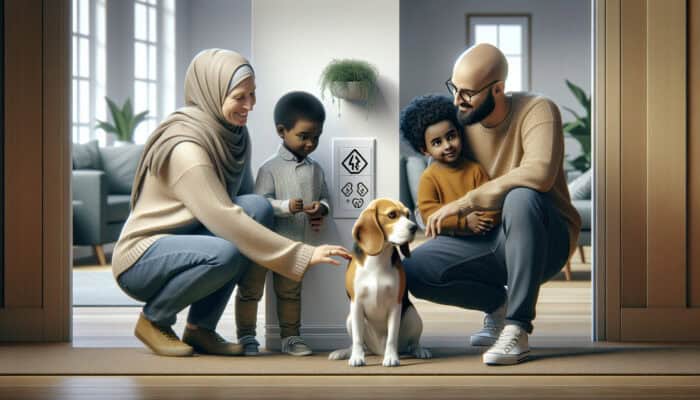
Consistent monitoring and education regarding daily safety precautions are essential for minimising electrical risks. Pets thrive in environments where their owners are proactive about implementing safety measures. By instilling habits around supervision and the use of electronics, pet owners foster a safety culture that directly benefits their animals.
First, establish a routine for checking in on pets whenever they are near electrical devices. This allows you to promptly redirect any unwanted behaviour before it escalates into an accident. Incorporate a system that alternates between supervised and unsupervised time, ensuring pets remain safe while they explore their surroundings.
Additionally, consider implementing these strategies for daily safety precautions:
- Schedule regular pet-free time around electronics to minimise exposure.
- Create designated pet zones where electronics are kept out of reach.
- Encourage positive reinforcement when pets demonstrate safe behaviour around electrical items.
- Use verbal commands or cues to guide pets away from hazardous areas.
- Utilise technology, such as cameras, to monitor pet behaviour in real-time.
- Share safety tips with family members to ensure everyone is on the same page.
- Establish a routine for daily checks on the condition of electrical items.
- Conduct training sessions with pets to reinforce the boundaries of safe areas.
Education and awareness regarding daily precautions lead to a safer living environment for pets. By cultivating a culture of vigilance, pet owners can significantly reduce the likelihood of electrical mishaps, enhancing the overall health and happiness of their furry friends.
Why Is Regular Maintenance of Electrical Devices Crucial for Pet Safety?
Regular maintenance of electrical devices is a fundamental aspect of promoting pet safety. Routine inspections of cords, plugs, and appliances can help identify wear or damage before they result in significant accidents. This proactive approach reduces exposure risks and fosters a consistently safe living environment for pets.
To effectively maintain electrical devices, create a checklist that includes the following steps:
- Inspect cords for fraying or signs of chewing, replacing any damaged items immediately.
- Examine plug connections for overheating or looseness.
- Regularly test smoke detectors and carbon monoxide alarms.
- Ensure appliances function correctly without overheating.
- Establish a maintenance schedule for major appliances to catch issues early.
- Document any repairs or replacements to track the condition of devices.
- Educate family members on safe handling practices for electrical items.
- Consider hiring a professional for periodic assessments of electrical systems.
By committing to regular maintenance, pet owners create a reliable safety net against electrical hazards. Vigilant upkeep not only protects pets but also enhances the overall functionality and safety of the household environment.
Expert Recommendations for Boosting Electrocution Safety for Pets
What Are Effective Strategies for Preventing Electrical Incidents?
Implementing effective strategies to prevent electrical incidents is crucial for ensuring pet safety. Many pet owners may not realise that adopting a combination of techniques can significantly bolster overall security. For example, utilising technology in conjunction with practical barriers can create a comprehensive safety net.
Consider integrating electrical devices equipped with smart technology that allow for monitoring and control via mobile applications. This offers pet owners peace of mind, enabling them to check on devices and adjust settings remotely. Real-world examples include smart plugs that enable you to turn off devices when pets are roaming freely or cameras to observe pet behaviour in areas with electrical hazards.
Additionally, here are actionable steps based on effective techniques:
- Implement smart home systems to monitor energy usage and detect malfunctions.
- Incorporate pet-friendly furniture designed to conceal electrical cords.
- Utilise pet training tools, such as shock collars, as a last resort for behaviour correction.
- Consult with a licensed electrician for professional advice on safe wiring practices.
- Encourage the use of pet-safe materials in household products.
- Engage with local pet communities to share safety tips and experiences.
- Research local regulations regarding electrical safety in pet-friendly spaces.
- Participate in workshops focusing on pet safety and electrical hazards.
By analysing and implementing these strategies, pet owners not only enhance safety but also cultivate a collective awareness regarding the risks of electrocution. Ultimately, being proactive in safety measures establishes an environment of trust and security for pets.
Evaluating Long-Term Solutions for Electrical Safety
Long-term solutions to reduce electrical threats involve strategic planning and investment. Analysing the effectiveness of existing wiring and upgrading when necessary is essential for ongoing safety. Many older homes may still utilise outdated electrical systems that pose risks, particularly in households with pets.
Upgrading to modern wiring systems can significantly enhance safety. For instance, investing in circuit breakers that automatically shut off in case of overload can prevent electrical fires and other hazards. Additionally, installing ground fault circuit interrupters (GFCI) in moisture-prone areas, such as kitchens and bathrooms, is an excellent way to safeguard against electrocution.
Consider these expert analyses when evaluating long-term solutions:
- Consult a professional electrician for a comprehensive electrical safety audit.
- Assess the need for additional outlets to reduce clutter and potential hazards.
- Opt for child-proof outlets to provide an extra layer of protection for pets.
- Research local building codes to ensure compliance with electrical safety standards.
- Incorporate surge protectors for sensitive devices to minimise risks.
- Develop a budget for ongoing electrical upgrades and maintenance.
- Engage with local communities to learn about innovative safety solutions.
- Regularly assess the effectiveness of current safety measures.
By integrating long-term solutions into your household management, pet owners can significantly enhance their pets’ safety and well-being. Ongoing evaluations guarantee that safety measures evolve alongside emerging risks and improve the quality of life for pets.
How to Integrate Safety Routines into Daily Life for Pets
Integrating safety routines is vital for maintaining a secure environment for pets. Real-world examples demonstrate the effectiveness of combining daily habits with advanced safety measures. For instance, establishing a routine that includes regular checks of electrical devices can be paired with the use of protective covers and barriers.
Incorporating safety practices into daily life not only helps to avert incidents but also builds awareness within the household. For example, families can designate time each week for electrical inspections while simultaneously teaching pets boundaries around electronics. This dual approach strengthens safety protocols and reinforces learning for both pets and humans.
Consider these expert-recommended practices to sustain a protected environment:
- Conduct weekly safety checks with family members to involve everyone in the process.
- Establish a reward system for pets that adhere to safety boundaries.
- Maintain a safety log to document inspections and any changes made.
- Hold family meetings to discuss safety concerns and solutions.
- Set reminders for regular maintenance checks on electrical systems.
- Incorporate safety education into pet training sessions.
- Utilise visual aids to remind family members of safety protocols.
- Encourage open communication regarding safety observations and concerns.
By integrating these safety routines into everyday life, pet owners can create a comprehensive framework for protecting their pets from electrical hazards. A consistent approach ensures that safety remains a priority, enhancing the well-being of pets in an ever-evolving environment.
What Are Common Safety Mistakes Pet Owners Make Regarding Electrical Risks?
How to Avoid Overlooking Hidden Electrical Dangers in Your Home?
Overlooking hidden dangers is a common mistake made by pet owners when it comes to electrical safety. Many individuals tend to focus solely on visible hazards, neglecting concealed wires or appliances that can pose significant risks. For instance, cords hidden beneath furniture or behind appliances can be susceptible to chewing or accidental contact.
Understanding the implications of these oversights can help avert severe outcomes. A considerable number of electrocution cases arise from pets discovering hidden dangers that owners fail to notice. Routine assessments, including visual inspections and systematic evaluations, are vital for identifying these risks.
- Conduct thorough inspections of furniture and appliances for hidden wires.
- Regularly evaluate the condition of cords in hard-to-reach areas.
- Keep pet toys and objects away from electrical sources.
- Utilise cable management solutions to minimise the visibility of wires.
- Educate family members on the importance of recognising hidden threats.
- Implement safety measures during home renovations to address potential hazards.
- Leverage technology to assist in monitoring hard-to-see areas.
- Document findings from inspections to track safety improvements.
By increasing awareness of hidden dangers, pet owners can take necessary steps to prevent accidents. Learning from typical oversights fosters a culture of safety that protects pets from unnecessary risks.
What Are the Consequences of Neglecting Routine Inspections?
Neglecting routine inspections can lead to severe consequences for pet health and safety. Many pet owners assume that once safety measures are in place, they are sufficient for ongoing protection. However, electrical devices and cords require regular assessments to catch potential issues early on.
Over time, wear and tear can significantly affect the safety of electrical products. Regular checks help identify frayed cords, loose plugs, or malfunctioning appliances that could jeopardise pet safety. The consequences of neglect can result in electrical fires, electrocution, or severe injuries, which can be devastating for both pets and their owners.
- Establish a schedule for routine inspections of electrical items.
- Educate family members about the signs of wear on cords and devices.
- Utilise checklists to streamline the inspection process.
- Maintain records of inspection findings to identify patterns.
- Encourage open communication regarding discovered hazards.
- Participate in community workshops focused on electrical safety.
- Incorporate technology to assist in monitoring electrical systems.
- Seek professional help when necessary for comprehensive evaluations.
By prioritising routine inspections, pet owners can significantly reduce electrical risks. A vigilant approach ensures that safety measures remain effective and adaptable to ongoing changes within the household.
How Can Misuse of Protective Gear Compromise Safety for Pets?
Misusing protective gear can undermine the effectiveness of safety tools designed to shield pets from electrical hazards. Many pet owners may not fully understand the proper application of safety devices, leading to a false sense of security. For example, improperly fitted outlet covers may not fulfil their intended function, placing pets at risk.
To ensure that protective gear operates effectively, it is crucial to follow manufacturer guidelines and instructions. Additionally, conducting regular evaluations of the condition and effectiveness of safety tools can help identify issues before they lead to accidents.
- Review installation instructions for protective gear to ensure proper usage.
- Conduct regular checks of protective devices to maintain functionality.
- Consult with professionals if there are uncertainties about safety gear.
- Educate family members on the importance of correct equipment usage.
- Conduct training sessions to demonstrate the proper use of safety tools.
- Keep records of any modifications made to safety gear.
- Use visual aids to remind family members of safety protocols.
- Encourage feedback on the effectiveness of protective measures.
By ensuring the correct application of protective gear, pet owners can maximise the safety benefits of these tools. A dedicated approach to using safety devices effectively not only protects pets but also fosters a culture of vigilance within the household.
Why Is Supervising Pets in High-Risk Areas Essential?
Failing to supervise pets in risky areas can lead to serious accidents involving electrical hazards. Environments containing exposed wires, appliances, or other dangers necessitate consistent oversight to ensure pet safety. Many accidents occur simply due to a lack of supervision, particularly in spaces where pets are allowed to roam freely.
To mitigate risks associated with unsupervised pets, establishing designated safe zones can be an effective strategy. These areas should be devoid of electrical threats and provide a secure space where pets can play without risk. Regularly assessing spaces where pets are permitted to roam can also help identify potential dangers.
- Designate specific areas in the home for pet play that exclude electrical devices.
- Incorporate visible signs to remind family members of pet zones.
- Utilise baby gates or playpens to restrict access to risky areas.
- Implement scheduled supervision times to monitor pets more effectively.
- Engage in positive reinforcement to teach pets boundaries.
- Educate family members about the risks of unsupervised pets around electronics.
- Install pet-resistant barriers around high-risk zones.
- Consider using technology, such as pet cameras, for monitoring.
By prioritising supervision in high-risk areas, pet owners can significantly reduce the likelihood of electrical accidents. A proactive approach ensures that pets remain safe while promoting responsible ownership practices.
Research-Backed Advantages of Electrocution Safety Measures for Pets
How Do Safety Protocols Enhance Pet Well-Being?
Implementing safety protocols demonstrates a robust link between pet well-being and the prevention of electrical accidents. Studies indicate that creating a safe environment not only alleviates stress for pets but also lowers injury rates, contributing to healthier, happier lives for animals. Pets thrive in spaces where they can explore without the looming threat of electrocution or other hazards.
Research shows that environments with proactive safety measures lead to improved behaviour and emotional stability in pets. For instance, dogs and cats in safe spaces tend to exhibit lower anxiety levels and reduced destructive behaviour associated with stress.
- Establishing clear boundaries fosters a sense of security for pets.
- Implementing safety measures diminishes the likelihood of injury.
- Creating secure environments can strengthen the bond between pets and owners.
- Regular inspections and maintenance nurture trust within the pet-owner relationship.
- Enforcing safety protocols encourages responsible pet ownership.
- Providing safe spaces promotes active engagement and play.
- Educating pet owners enhances understanding of animal welfare.
- Enhancing safety measures reflects a commitment to pet health.
By prioritising safety measures, pet owners can significantly enhance the overall well-being of their animals. A focus on electrical safety contributes to a nurturing environment that supports the physical and emotional health of pets.
How Do Preventive Actions Reduce Incident Frequency?
Evidence-based findings illustrate the effectiveness of preventive actions in decreasing the frequency of electrical incidents. Implementing safety measures tailored to the specific needs of pets can lead to fewer accidents and a more secure daily routine.
According to research, homes with established safety protocols experience a substantial reduction in electrical-related injuries and accidents. This highlights the importance of proactive measures in enhancing the safety of pets.
- Routine inspections and maintenance lower the risk of electrical fires.
- Implementing safety measures creates a comprehensive safety culture.
- Education on hazards aids in the early identification of potential risks.
- Regular evaluations optimise safety protocols.
- Involving family members fosters accountability and shared responsibility.
- Engaging with local communities expands access to safety resources.
- Establishing safety measures improves the overall quality of life for pets.
- Preventive actions contribute to long-term cost savings in veterinary care.
By adopting these measures, pet owners can effectively create secure environments that significantly reduce the likelihood of electrical accidents. A commitment to safety not only protects animals but also enhances the quality of life for both pets and their owners.
Building Confidence in Electrical Safety Practices for Pet Owners
Validated approaches to electrical safety foster peace of mind among pet owners. By implementing research-supported protocols, pet owners can confidently navigate potential hazards while ensuring their pets remain secure. This confidence translates into more enjoyable interactions with pets, as owners can focus on quality time without the constant worry of electrical dangers.
Consider these tips for applying research to everyday scenarios:
- Stay informed about the latest electrical safety innovations and products.
- Engage with local experts to comprehend best practices for pet safety.
- Maintain open communication with family members about safety protocols.
- Incorporate technology to effectively monitor electrical systems.
- Utilise online resources and communities for ongoing education.
- Establish a network of pet owners to share experiences and advice.
- Encourage feedback from family members regarding safety practices.
- Explore workshops and events centred on pet safety and welfare.
By applying these strategies, pet owners can cultivate a culture of safety that fosters confidence and security. This commitment to electrical safety not only protects pets but also strengthens the overall pet-owner relationship.
Why Is Regular Maintenance Critical for Ensuring Pet Safety?
Understanding the Importance of Monitoring Electrical Systems
Monitoring electrical systems is a vital component of maintaining a safe environment for pets. Ongoing checks help catch wear and damage that could pose significant risks. Neglecting the condition of electrical systems can heighten the likelihood of accidents and injuries, making regular interventions imperative for pet protection.
Implementing a monitoring system involves establishing schedules for inspections and evaluations to ensure that all electrical components function safely. This proactive approach can substantially reduce the risks associated with ageing or malfunctioning systems.
- Establish a routine for checking the condition of electrical systems.
- Document findings to track any changes or improvements.
- Educate family members about signs of wear on electrical devices.
- Engage with professionals for comprehensive evaluations when necessary.
- Utilise technology to assist in monitoring electrical systems.
- Incorporate safety checklists to streamline the inspection process.
- Encourage family members to participate in monitoring efforts.
- Schedule regular maintenance with licensed electricians.
By prioritising monitoring of electrical systems, pet owners can ensure a consistently safe living space. Vigilant upkeep cultivates a secure environment that prioritises both pet well-being and household safety.
Updating Electrical Safety Protocols Regularly for Pet Safety
Updating safety protocols is essential for addressing evolving threats to pets. As new technologies emerge and environments change, adapting safety measures ensures continued protection from electrical hazards. Regular evaluations of existing protocols help identify gaps that require updates.
For instance, advancements in smart technology mean that new safety devices may provide enhanced protection. Regularly researching and integrating these innovations into your home can significantly improve safety.
- Review safety protocols at least once a year to assess their effectiveness.
- Stay informed about emerging electrical safety technologies and products.
- Engage with local safety experts for advice on updates.
- Share updates with family members to ensure everyone is informed.
- Conduct drills to familiarise pets and family with safety protocols.
- Utilise feedback from family members to enhance safety measures.
- Incorporate findings from inspections to guide updates.
- Document all updates to track the evolution of safety protocols.
By routinely updating safety protocols, pet owners can create an adaptable environment that remains safe and responsive to changing conditions. This commitment to proactive management underscores the importance of vigilance in ensuring the well-being of pets.
Engaging Family Members in Electrical Upkeep for Pet Safety
Involving family members in electrical maintenance and safety practices is crucial for creating a secure environment for pets. Shared responsibilities not only lighten the load on individual family members but also foster a culture of accountability and vigilance. When everyone plays a role in upkeep, pet safety becomes a collective priority.
Encouraging family members to participate in regular maintenance activities can also deepen their understanding of electrical safety. Engaging children in age-appropriate tasks, such as checking cords or keeping track of inspection schedules, empowers them to recognise potential risks in their environment.
- Assign specific safety tasks to family members to promote shared responsibility.
- Utilise family meetings to discuss electrical safety and share insights.
- Encourage open communication regarding safety observations and concerns.
- Incorporate educational activities around electrical safety into family routines.
- Establish a reward system for proactive safety measures taken by family members.
- Share experiences and lessons learned from routine check-ups.
- Promote teamwork in identifying and resolving safety issues.
- Document everyone’s contributions to build a culture of accountability.
By engaging family members in upkeep, pet owners can create a cohesive environment that prioritises safety. Collaborative efforts ensure a collective approach to electrical safety, making it a fundamental aspect of responsible pet ownership.
Implementing Comprehensive Safety Measures at Home for Pets
Establishing a Basic Safety Setup for Electrical Hazards
Creating an initial setup for electrical safety is crucial in establishing a hazard-free zone for pets. Fundamental measures, such as organising cords and using protective covers, lay the groundwork for a secure environment. These straightforward actions can lead to a significant enhancement in pet safety.
To get started, assess your living space for potential hazards. Identify areas where cords are exposed or where pets frequently access electrical devices. By prioritising these initial steps, pet owners can create a safer living environment.
- Begin by securing cords with clips or ties to keep them organised.
- Use cord covers to conceal and protect wiring from curious pets.
- Install safety covers on outlets, particularly in areas frequented by pets.
- Reorganise furniture to create barriers between pets and electrical devices.
- Incorporate decorative elements that provide both aesthetics and safety.
- Educate family members on maintaining organisation around electrical devices.
- Utilise visual reminders to reinforce safe practices.
- Document the completion of initial setup tasks for tracking progress.
By taking these foundational steps, pet owners establish the groundwork for ongoing safety. A structured approach to the initial setup ensures that electrical hazards are minimised, paving the way for a secure environment for pets.
Incorporating Advanced Safety Tools for Enhanced Protection
Integrating advanced tools into your safety measures reinforces the protection of pets against electrical hazards. While basic safety measures are essential, incorporating modern technology can provide additional layers of defence. Many innovative products are designed to enhance pet safety, making them invaluable for pet owners.
For instance, smart home security systems equipped with monitoring capabilities can provide peace of mind. These systems often allow owners to receive alerts when devices malfunction or when pets enter designated risky areas.
- Research smart plugs that allow for remote control of devices.
- Install pet safety cameras to monitor interactions with electrical items.
- Incorporate motion sensors that alert owners of potential hazards.
- Utilise software applications for monitoring energy usage and detecting irregularities.
- Engage with local experts to discover new advanced safety tools.
- Attend workshops focusing on technological innovations in pet safety.
- Document the effectiveness of advanced tools for ongoing evaluations.
- Involve family members in discussions about integrating technology into safety measures.
By incorporating these advanced tools into safety practices, pet owners can create a comprehensive defence against electrical risks. A commitment to utilising technology enhances overall safety and ensures pets remain protected in a constantly changing environment.
Monitoring and Tracking Safety Progress Over Time for Pets
Tracking progress over time is vital for maintaining an effective safety system for pets. Regular evaluations of safety measures help ensure their continued effectiveness, promoting a culture of vigilance among pet owners. By documenting changes and improvements, pet owners can better understand which strategies yield the best results.
One effective method for tracking progress involves creating a safety log that includes inspection dates, findings, and any actions taken. This log serves as a valuable resource for identifying trends, allowing pet owners to adjust their approaches based on real-world feedback.
- Utilise a checklist to document inspection findings and actions taken.
- Establish a regular schedule for revisiting safety protocols.
- Encourage family members to share observations and insights from their experiences.
- Incorporate visual progress indicators to illustrate safety improvements.
- Celebrate milestones achieved in enhancing pet safety.
- Utilise technology tools to streamline documentation and tracking.
- Engage with local communities for shared safety experiences and tips.
- Modify strategies based on evaluation results and feedback.
By tracking progress over time, pet owners can ensure their safety measures remain effective and responsive. A methodical approach fosters accountability and enhances the quality of life for pets, ensuring they remain safe from electrical hazards.
Frequently Asked Questions About Pet Electrical Safety
What Are the Most Common Electrical Hazards for Pets?
Common electrical hazards for pets include exposed wires, unprotected outlets, and faulty appliances. Pets' natural curiosity often leads them to chew on cords or explore dangerous areas.
How Can I Tell If My Pet Has Been Electrocuted?
Signs of electrocution in pets may include burns on the skin, twitching, difficulty breathing, or unusual behaviour. Immediate veterinary attention is crucial if any of these symptoms appear.
What Can I Do to Secure Electrical Outlets?
Securing electrical outlets can be achieved by using outlet covers, positioning furniture to block access, and installing tamper-resistant sockets that prevent pets from accessing them.
How Often Should I Inspect Electrical Cords and Devices?
Regular inspections should be conducted at least once a month. Look for fraying, overheating, or any signs of damage to ensure safety for pets.
What Are Some Effective Ways to Manage Cords in My Home?
Consider using cord clips, ties, or tubing to organise and conceal cords. Additionally, repositioning furniture can create barriers that keep cords out of reach.
Are There Any Pet-Friendly Electrical Devices?
Yes, there are many pet-friendly electrical devices, including smart plugs with automatic shut-off features and appliances designed for safety around pets.
How Can I Educate My Family About Pet Safety?
Engage family members in safety discussions, establish clear rules around pet supervision near electrical items, and create training sessions focused on recognising hazards.
What Should I Do If I Notice a Damaged Cord?
If you notice a damaged cord, immediately unplug the device and replace the cord or appliance. Do not attempt to repair it yourself, as this can pose further risks.
How Can I Track Safety Improvements in My Home?
Create a safety log to document inspections, actions taken, and observations. Regularly reviewing this log will help identify trends and necessary adjustments.
Can Technology Help with Pet Safety in Relation to Electrical Hazards?
Yes, technology can enhance pet safety through smart devices that monitor energy usage, alert owners to malfunctions, and provide remote control over appliances, thereby improving overall security.
Connect with Us on Facebook!
The Article Electrocution Safety Measures for Pets: Essential Tips for Protection First Published On https://elgatoencasa.com
The Article Pet Electrocution Safety: Essential Protection Tips Was Found On https://limitsofstrategy.com