Essential Ingredients for Crafting Delicious Herbal Infused Syrups
Which Herbs Work Best for Infusion?
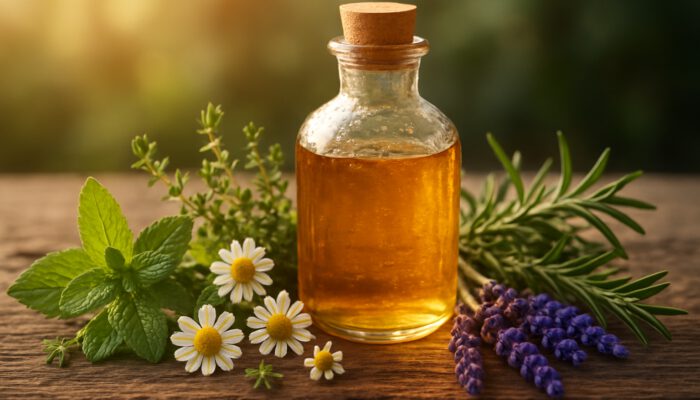
To create a flavourful herbal syrup, it is crucial to select high-quality herbs. These not only enhance the taste but also provide various health benefits. Common herbs for infusion include mint, chamomile, thyme, rosemary, and lavender. Each herb adds its unique characteristics to the syrup, making it versatile for different uses. To maximise both flavour and health benefits when preparing these herbs, consider the following practical tips:
- Whenever possible, opt for fresh herbs to achieve the best flavour.
- Gently bruise the leaves to release their aromatic oils.
- Ensure herbs are properly dried before storage to prevent mould.
- Experiment with thoughtful combinations; for instance, mint pairs wonderfully with lemon to create a refreshing syrup.
Exploring different combinations can lead to delightful results that enhance your beverages and desserts, igniting creativity in your culinary pursuits.
What Should You Consider When Selecting a Sweetener for Your Syrups?
Choosing the perfect sweetener is essential for achieving a balanced flavour in your herbal syrup. While traditional granulated sugars are widely used, alternatives like honey, maple syrup, or agave nectar can beautifully complement the herbal flavours. Each sweetener has its unique taste profile and characteristics. For example, honey adds thickness and complexity, while maple syrup introduces a rich, earthy sweetness. Select your sweetener based on the flavour profile you wish to achieve:
– Honey: Enhances floral and herbal notes, offering additional health benefits.
– Raw sugar: A straightforward option that allows the herbal flavours to shine.
– Maple syrup: Excellent for highlighting earthy or spicy herbs, adding depth to the syrup.
– Date syrup: Provides distinctive sweetness along with extra nutrients.
Choosing a sweetener that perfectly balances the herbal infusion will result in a syrup that is not only delicious but also functional for its intended uses.
What Best Practices Ensure Accurate Ingredient Measurement?
Achieving a consistent flavour profile requires precise measurement of both herbs and sweeteners. A reliable starting point suggests using a 1:2 ratio of dried herbs to liquid, while fresh herbs can be used at a 1:1 ratio. This careful approach guarantees that the syrup remains enjoyable, preventing any single flavour from overpowering the others.
1. Utilise kitchen scales: Weighing herbs ensures accuracy in your recipe formulation.
2. Accurate liquid measurement: Use measuring cups or graduated cylinders for precise quantities.
3. Document your ratios: Keep detailed notes of your ratios and any adjustments for future reference.
4. Adjust to taste: Start with the recommended ratios, then modify according to your personal flavour preferences.
This meticulous method results in tastier outcomes, ensuring each batch of syrup has a balanced flavour profile that is both appealing and effective.
How Do Herbal Infusions Enhance Syrups?
What Factors Influence Successful Infusion?
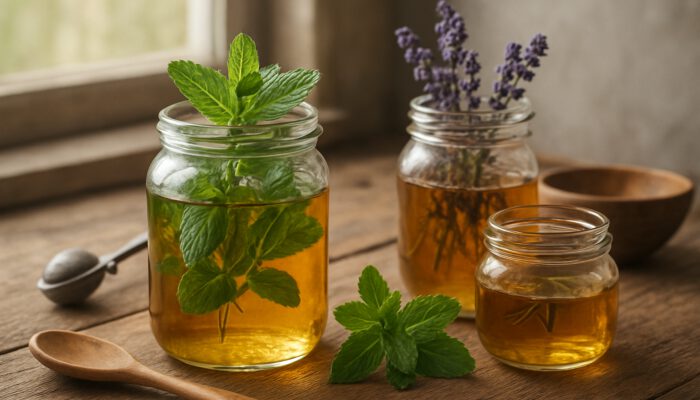
The effectiveness of herbal infusion lies in its ability to extract flavours and beneficial compounds from herbs into the syrup. Steeping herbs in water or another liquid allows for the release of active ingredients, resulting in a vibrant syrup that can elevate both beverages and desserts. To achieve optimal infusion results, consider these actionable steps:
1. Choose the right temperature: Hot infusions generally extract flavours quickly, while cold infusions help preserve delicate compounds.
2. Timing is crucial: Steep herbs for 15-30 minutes for hot infusions and up to 24 hours for cold infusions, depending on the type of herb.
3. Taste testing: Sample the infusion periodically to determine when it reaches your desired flavour intensity.
Understanding the infusion process provides greater control over flavour outcomes, ensuring your syrups are not only enjoyable but also effective for their intended applications.
What Unique Benefits Do Different Infusion Methods Offer?
Various infusion techniques yield distinct flavour profiles and potency levels in herbal syrups. The two main methods, hot steeping and cold steeping, each provide specific advantages:
– Hot steeping: This method speeds up the infusion process and is particularly effective for robust-flavoured herbs, such as rosemary or thyme.
– Cold steeping: This gentler technique preserves volatile oils and subtle flavours, making it ideal for delicate herbs such as mint or chamomile. Although it requires more time, it results in a nuanced syrup.
Utilising both methods allows for the creation of a diverse range of syrups tailored to different seasons or specific beverages. Experimenting with varying steep times and temperatures can lead to exciting flavour discoveries.
What Common Pitfalls Should You Avoid When Infusing Herbs?
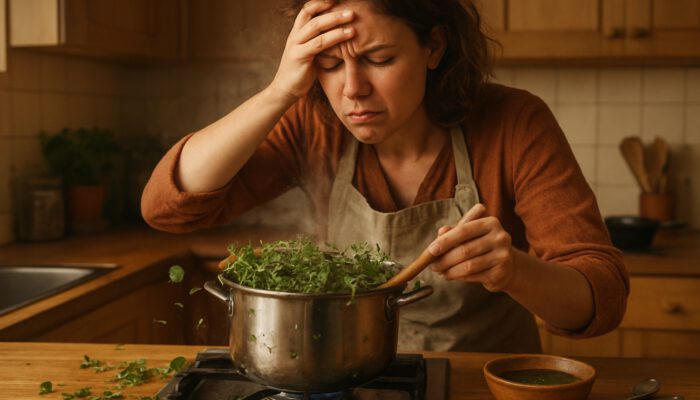
When creating herbal-infused syrups, being mindful of potential mistakes can greatly affect the quality of the final product. Common pitfalls include:
1. Overheating herbs: This can lead to bitterness, especially with delicate herbs. Maintain temperature control during hot infusions.
2. Improper use of dried herbs: Dried herbs require different ratios compared to fresh ones. Ensure you adjust measurements accordingly.
3. Insufficient straining: Leaving herb particles in the syrup can negatively impact both texture and flavour. Strain thoroughly using a fine mesh sieve or cheesecloth.
4. Neglecting taste during the infusion: Regular tastings help avoid overpowering flavours and facilitate necessary adjustments.
By staying vigilant about these common mistakes, you can troubleshoot effectively and consistently produce high-quality herbal syrups.
Expert Strategies for Crafting Exceptional Herbal Infused Syrup Recipes
What Key Elements Ensure Successful Infusions?
Creating effective herbal infusions depends on several critical factors that enhance both the flavour profile and potency of the syrup. Thoughtful combinations of herbs can yield complex flavours. Keep these expert tips in mind:
1. Understanding flavour profiles: Pairing herbs with complementary flavours can elevate the overall experience. For example, mint and lemon create a classic combination that results in a refreshing syrup.
2. Starting with a base herb: Choose a primary herb that imparts the dominant flavour, then layer in secondary herbs to add depth.
3. Observing proportions: Aim for a 2:1 ratio of the base flavour herb to secondary herbs for optimal balance.
- Mint and chamomile: 2 parts mint, 1 part chamomile.
- Lavender and lemon verbena: 2 parts lavender, 1 part lemon verbena.
- Thyme and rosemary: 2 parts thyme, 1 part rosemary.
- Ginger and lemon: 2 parts ginger, 1 part lemon zest.
Applying these insights will lead to more enjoyable and memorable syrups, allowing for personal touches that reflect individual taste preferences.
How Can You Elevate Flavour Profiles in Your Syrups?
Refining flavour profiles in herbal syrups can be an art, enabling the creation of complex and layered flavours. Start with a foundational recipe and experiment with adjustments to enhance the syrup's character. Here are some strategies:
1. Add acidity: A dash of lemon juice or vinegar can brighten and balance the syrup's sweetness, enhancing overall flavour.
2. Incorporate spices: Spices like cinnamon, star anise, or cardamom can add depth and warmth, resulting in a more nuanced syrup.
3. Experiment with infusion time: Altering the infusion duration can change flavour intensity, allowing for greater control over the final product.
Combining these techniques will transform a straightforward syrup into a gourmet condiment that impresses with its flavour and versatility.
What Advanced Blending Techniques Can Enhance Your Syrup Crafting?
To achieve professional-level results in herbal syrups, advanced blending techniques are essential. These methods promote layered flavours and complex profiles that appeal to both casual drinkers and culinary enthusiasts. Here are actionable steps for creating exceptional herbal syrups:
1. Layering flavours: Begin with your base infusion, gradually introducing additional herbs or spices while tasting throughout to achieve a balanced profile.
2. Creating tinctures: Consider making tinctures using high-proof alcohol before mixing them with syrup to achieve a more potent herbal profile.
3. Cold maceration: For delicate herbs, cold maceration preserves their flavour and aroma, enhancing the character of the final syrup.
Mastering these techniques will elevate your herbal syrup-making skills, ensuring each batch delivers a distinctive taste experience that keeps consumers returning for more.
What Best Practices Should You Implement for Storing Herbal Syrups?
Effective storage is crucial for maintaining both the freshness and potency of herbal infused syrups. Here are expert recommendations for optimal storage methods:
1. Use airtight containers: Dark glass bottles or jars are ideal for preventing light exposure, which can degrade quality.
2. Refrigeration is essential: Store syrups in the refrigerator to prolong shelf life, ideally consuming them within 1-3 months for optimal flavour.
3. Clearly label: Mark containers with the infusion date and ingredients to avoid confusion later on.
Monitoring for spoilage is also essential. Always check for off smells or changes in texture, as these can indicate that the syrup is no longer safe to consume.
What Health Benefits Can Herbal Syrups Provide?
Herbal infused syrups can offer numerous health benefits when consumed thoughtfully. Many herbs possess natural properties that support wellness, including immune support and digestive aid. Notable benefits include:
– Immune support: Herbs such as echinacea and elderberry are renowned for their ability to strengthen the immune system, helping to ward off colds and flu.
– Digestive aid: Ingredients like ginger and peppermint can alleviate digestive discomfort, promoting gut health.
– Stress relief: Herbs like chamomile and lavender can have calming effects, contributing to relaxation and overall well-being.
Caution is necessary. Users should monitor dosage and be aware of any potential interactions with medications, ensuring that the syrups remain beneficial and safe for regular use.
What Unique Advantages Do Herbal Infused Syrups Offer?
How Do They Contribute to Overall Wellness?
The natural properties found in herbal infused syrups can significantly enhance wellness. Many herbs are celebrated for their ability to improve both physical and mental health. For example, syrups infused with ginger can support digestion, while those incorporating chamomile may promote relaxation. Adding these syrups to daily routines can be both enjoyable and beneficial.
Using herbal syrups in beverages, desserts, or even salad dressings can elevate ordinary meals into health-promoting experiences, paving the way for a lifestyle abundant in natural health benefits.
What Nutritional Benefits Do Herbal Syrups Provide?
Herbal infused syrups often encapsulate a range of vitamins, minerals, and antioxidants derived from their herbal components. These nutrients can contribute to overall health without the need for synthetic additives. For instance, sage is rich in antioxidants, while mint offers essential oils that can aid digestion.
This natural approach ensures that each syrup not only enhances flavour but also embodies a wealth of health benefits, making them an appealing alternative to processed syrups laden with sugar and artificial ingredients.
How Can You Seamlessly Incorporate Herbal Syrups into Your Daily Routine?
Incorporating herbal infused syrups into your daily life can be both simple and rewarding. Here are several creative methods to maximise their use:
1. Sweetening beverages: Use herbal syrup to sweeten tea, coffee, or cocktails, adding both flavour and health advantages.
2. Drizzling over desserts: Enhance pancakes, waffles, or ice creams with a splash of herbal syrup.
3. Mixing into sauces or marinades: Infuse syrups into dressings or marinades for an added layer of flavour.
4. Adding to smoothies: Blend syrups into smoothies for a delicious way to enjoy herbal benefits.
These methods not only enrich your culinary experience but also facilitate the incorporation of health-supporting ingredients into your diet.
How Do Herbal Syrups Support Immune Function?
Herbal infused syrups can provide significant boosts to the immune system, particularly those containing herbs known for their supportive properties. For instance, echinacea has a long-standing reputation for enhancing immune responses, while elderberry is famed for its antiviral abilities. These ingredients work synergistically to combat infections and bolster the body's natural defences.
By incorporating these syrups into daily routines, individuals can maintain wellness throughout the year, providing a flavourful alternative to artificial supplements and promoting a more holistic approach to health management.
What Research-Backed Benefits Are Associated with Herbal Infused Syrups?
What Evidence Supports Their Efficacy?
Research indicates that many herbs used in infused syrups possess clinically proven benefits. For example, studies have shown that echinacea can shorten the duration of colds, while ginger has demonstrated effectiveness in alleviating nausea.
By incorporating these herbs into syrups, users can enjoy both the flavour and potential therapeutic effects. When crafting syrups, consider employing evidence-based methods to maximise herbal efficacy, ensuring they are both enjoyable and beneficial.
How Can You Maximise Health Gains from Herbal Syrups?
To enhance the health benefits of herbal infused syrups, it is essential to implement strategies informed by research. Here are actionable steps to improve the efficacy of your syrups:
1. Opt for high-quality herbs: Select organic, sustainably sourced herbs to ensure potency and purity.
2. Follow recommended dosages: Stick to established guidelines regarding herb consumption to avoid potential adverse effects.
3. Rotate herbs based on seasonal availability: Using seasonal herbs can enhance both flavour and nutrient diversity.
4. Combine herbs thoughtfully: Pairing herbs that complement each other's health benefits can lead to synergistic effects.
Implementing these strategies will improve syrup quality and elevate their overall health impact.
What Potential Side Effects Should You Be Aware Of?
While herbal infused syrups offer numerous benefits, it is crucial to remain mindful of potential side effects. Certain herbs may interact with medications or cause adverse reactions in some individuals. For example, echinacea may not be suitable for those with ragweed allergies, and ginger can influence blood pressure.
Consulting a healthcare professional before introducing new herbal syrups into your diet is advisable, especially if you are pregnant, nursing, or taking medication. This precaution ensures the safe and responsible use of herbal remedies.
Which Herbs Are Most Effective for Health Benefits?
Research has highlighted several herbs that yield significant results when used in infused syrups. For instance, echinacea is well-documented for its immune-boosting qualities, while ginger is recognised for its digestive support. Other noteworthy herbs include lemon balm for relaxation and peppermint for its refreshing properties.
When preparing syrups, focus on these herbs to maximise their beneficial effects. Select high-quality sources and consider the best preparation methods for optimal efficacy in daily use, enhancing both flavour and health benefits.
How Can You Tailor Recipes to Meet Individual Health Goals?
Customising herbal infused syrup recipes to align with individual health objectives can create a personalised approach to wellness. Identify specific needs, such as stress relief or digestive support, and select suitable herbs accordingly. For example:
– Stress relief: Incorporate calming herbs like lavender or chamomile into your syrup.
– Digestive support: Use ginger or peppermint to create a syrup that soothes the stomach.
Monitor your reactions and adjust dosages as needed, ensuring that the adaptations align with your health goals while maintaining safety and efficacy.
What Are the Best Practices for Storing Herbal Syrups?
Which Containers Are Optimal for Storing Syrups?
Choosing the right container for storing herbal infused syrups is crucial for preserving their quality and extending shelf life. Dark glass bottles are the preferred choice as they protect the syrup from light exposure, which can degrade herbal properties. Ensure that the containers are airtight to prevent moisture ingress that can lead to spoilage.
Using jars with secure lids, such as those with rubber seals, is also a beneficial option. This prevents oxidation and maintains the syrup's flavour integrity, ensuring that each use retains the desired qualities.
What Techniques Can Help Extend Shelf Life?
Extending the shelf life of your herbal infused syrups is achievable with a few straightforward practices:
- Store in a cool, dark place, such as the refrigerator, to maintain potency.
- Utilise clean utensils when pouring syrup to prevent contamination.
- Label syrups with the preparation date to track freshness.
- Consider freezing small portions in ice cube trays for long-term storage.
Adhering to these best practices will help you enjoy your syrups at their best while minimising waste.
What Signs of Spoilage Should You Look Out For?
Identifying signs of spoilage is essential for ensuring safety when consuming herbal infused syrups. Be vigilant for:
1. Off smells: Any unusual or rancid odours indicate potential spoilage.
2. Mould growth: Visible mould or cloudiness suggests that the syrup has gone bad.
3. Changes in texture: A shift from a smooth to a grainy texture may occur as the syrup deteriorates.
4. Altered colour: Significant colour changes can indicate the breakdown of the syrup’s components.
If any of these signs are present, it is best to discard the syrup to avoid potential health risks.
Creative Variations of Herbal Infused Syrup Recipes
How Can You Adapt Recipes for Varied Tastes?
Customising herbal infused syrups to suit individual taste preferences can lead to a unique and enjoyable experience. Begin by identifying flavour profiles that resonate with you. For example:
– If you enjoy floral notes, combine lavender with honey.
– For zesty syrups, incorporate citrus peels with herbs like mint.
– To explore spicy flavours, consider blending ginger with cinnamon.
This flexibility encourages creativity and allows you to create personal blends that resonate with your palate, making every syrup a delightful addition to your culinary repertoire.
What Seasonal Herbs Should You Experiment With?
Utilising seasonal herbs can enhance the diversity and appeal of your herbal syrups throughout the year. Herbs like rosemary and thyme shine in the cooler months, while basil and mint are ideal for summer creations. Consider the following seasonal options:
– Spring: Nasturtium and borage provide vibrant, peppery flavours.
– Summer: Lavender and rose petals create delightful floral syrups.
– Autumn: Cinnamon and vanilla offer warming, comforting syrups.
– Winter: Citrus peels and ginger provide invigorating blends.
By aligning syrup recipes with seasonal herbs, you can create an ever-evolving collection of flavours that reflect the changing landscape.
What Innovative Recipe Combinations Can You Explore?
Innovative combinations can breathe new life into herbal infused syrups, encouraging experimentation and exploration. Here are some suggestions to inspire creativity:
1. Ginger and turmeric: A powerful anti-inflammatory blend perfect for wellness syrups.
2. Mint and lime: Refreshing and invigorating, ideal for summer cocktails.
3. Rosemary and grapefruit: A zesty, aromatic syrup suitable for both desserts and beverages.
4. Chamomile and vanilla: A soothing blend that pairs beautifully with teas or desserts.
These combinations not only provide distinct flavours but also promote the joy of crafting syrups that cater to individual tastes and health needs.
Proven Strategies for Crafting Exceptional Herbal Infused Syrup Recipes
What Tools Can Enhance Your Preparation Process?
Investing in the right tools can significantly improve the herbal syrup preparation process. Essential tools include:
– Measuring spoons: For precise measurements of herbs and sweeteners.
– Fine mesh strainer or cheesecloth: To effectively strain the syrup, ensuring clarity and purity.
– Glass jars or bottles: For storing the finished syrup, preferably dark glass to protect against light degradation.
– Cooking thermometer: To monitor temperature during hot infusions, ensuring optimal extraction.
Utilising these tools will enhance efficiency and accuracy, ultimately leading to superior syrup quality with each batch crafted.
How Can You Address Common Syrup Issues?
When creating herbal infused syrups, challenges may arise. Here are practical solutions to tackle common issues:
1. Inconsistent flavour: If the syrup lacks depth, consider extending the infusion time or adjusting the herb ratios.
2. Bitterness: If an infusion becomes bitter, lower the temperature during the hot steeping process and avoid over-extraction.
3. Excessive sweetness: If the syrup is overly sweet, balance it by adding a splash of lemon juice or vinegar to cut through the sweetness.
Implementing these troubleshooting strategies can dramatically enhance the quality of your syrups, ensuring a consistent and enjoyable experience.
What Final Tips Can Help You Master Syrup Crafting?
Achieving mastery in crafting herbal infused syrups requires practice and attention to detail. Here are final tips to refine your skills:
1. Document your recipes: Keep a detailed record of ratios, infusion times, and flavours to replicate successful batches.
2. Experiment regularly: Don’t hesitate to try new herbs, flavours, and combinations to discover unique profiles.
3. Engage your senses: Pay attention to aroma, taste, and appearance during the infusion process to develop a more intuitive understanding of what works.
4. Seek feedback: Share your syrups with friends and family for their opinions, making adjustments based on their preferences.
By embracing these strategies, you can cultivate a deeper understanding and appreciation of herbal syrup crafting, establishing yourself as a skilled creator in this delightful field.
Frequently Asked Questions
What Is Herbal Infused Syrup?
Herbal infused syrup is a sweetened liquid created by steeping herbs in water and mixing it with a sweetener, effectively capturing the flavours and beneficial properties of the herbs.
How Long Can Herbal Infused Syrups Be Stored?
Typically, herbal infused syrups can last 1 to 3 months when stored in the refrigerator, depending on the ingredients and storage methods employed.
Can I Use Dried Herbs for Infusion?
Yes, dried herbs can be used for infusion. Be sure to adjust the ratios, as dried herbs tend to be more concentrated than their fresh counterparts.
How Can I Tell If My Syrup Has Spoiled?
Signs of spoilage include off smells, visible mould, changes in texture, or altered colour. If any of these are present, it is best to discard the syrup.
What Sweeteners Are Suitable for Herbal Syrups?
You can use a variety of sweeteners such as honey, maple syrup, agave nectar, or raw sugar to create delicious herbal syrups.
Can I Incorporate Herbal Syrups into Cooking?
Absolutely! Herbal syrups can enhance a variety of dishes and work wonderfully in marinades, dressings, or as toppings for desserts.
Are There Any Health Risks Associated with Herbal Syrups?
Some herbs may interact with medications or cause adverse effects. It is advisable to consult with a healthcare professional before using new herbs.
How Do I Create a Cold Infusion Syrup?
To make a cold infusion syrup, combine herbs with cold water and sweetener, allowing them to steep in the refrigerator for up to 24 hours.
Can I Experiment with Different Herb Combinations?
Yes! Experimenting with various herbs can lead to unique flavours. Start with small batches to find your ideal combinations.
What Are the Best Herbs for Immune Support in Syrups?
Herbs like echinacea and elderberry are well-known for their immune-supporting properties and can be effectively used in herbal infused syrups.
Connect with us on Facebook!
The post Best Recipes for Herbal Infused Syrups: Simple Home Techniques appeared first on https://cookinggods.com
The Article Herbal Infused Syrups: Simple Techniques for Homemade Recipes Was Found On https://limitsofstrategy.com
The Article Herbal Infused Syrups: Easy Homemade Recipe Techniques found first on https://electroquench.com