Boosting Your Pet’s Health by Understanding Thyroid Function
The Crucial Impact of Thyroid Hormones on Your Pet’s Wellbeing
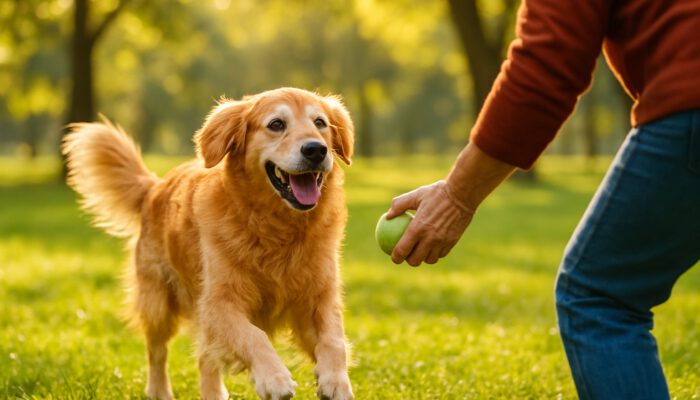
The thyroid gland plays an essential role in managing metabolism and energy levels in senior pets, making its effective functioning crucial for their overall health. This gland secretes vital hormones that not only help in maintaining energy but also assist in regulating body temperature, regardless of whether pets are active or at rest. As pets age, the proper functioning of the thyroid becomes even more significant for their vitality, ensuring they can relish life to its fullest.
When thyroid hormones are in balance, pets typically enjoy a higher quality of life. They demonstrate increased energy, maintain a healthy weight, and exhibit normal behavioural tendencies. This hormonal stability is necessary for their well-being, allowing them to engage in pleasurable activities such as playing, exploring, and enjoying time with their owners.
How Does Age Influence Thyroid Hormone Production in Pets?
As pets advance in age, there is a natural decline in hormone production, a typical occurrence in many senior animals. This reduction can lead to decreased metabolic rates, which complicates weight management and activity levels in pets. Owners should stay vigilant and observant, noting any changes in their pets’ behaviours and physical conditions to tackle potential issues promptly.
By recognising these age-related hormonal changes, owners can modify their care routines as needed. Regular veterinary check-ups offer valuable insights into fluctuations in hormone levels, enabling timely interventions that contribute to the health and happiness of their furry companions as they navigate their golden years.
What Effect Does Hormonal Balance Have on Your Pet’s Energy and Vitality?
Effective thyroid function is critical for sustaining healthy skin, coat, and muscle tone in senior pets. When hormone levels are stable, pets often showcase a shiny coat, strong musculature, and overall comfort in their daily activities. This not only enhances their physical appearance but also significantly elevates their quality of life as they age.
A well-functioning thyroid also significantly influences <a href=”https://elgatoencasa.com/routine-benefits-for-mental-health-with-pets-key-advantages/”>mental health</a>. Pets with balanced hormones are generally more active and engaged, fostering stronger bonds with their owners. This enhanced vitality nurtures a supportive environment for ageing pets, enriching their lives and emotional well-being.
Recognising Symptoms of Thyroid Imbalance in Pets
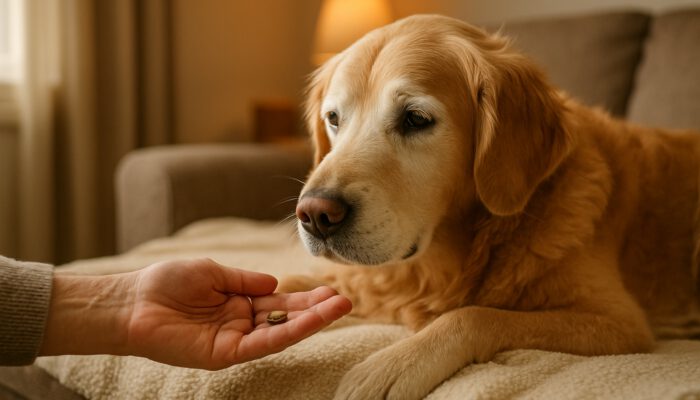
What Do Unexplained Changes in Weight Indicate?
Unexpected weight gain or loss can be indicative of underlying thyroid issues, which are essential to address for the well-being of pets. Regular monitoring of your pet’s eating habits and body condition is crucial for pet owners. Such fluctuations may indicate that the thyroid gland is not functioning optimally, necessitating further veterinary evaluation to confirm or exclude thyroid disease.
Pet owners should take a proactive stance by tracking their pets’ weight changes. Maintaining a detailed record of their pet’s diet, exercise, and weight can provide invaluable insights. This documentation can assist veterinarians in diagnosing potential thyroid imbalances and formulating effective treatment plans tailored to their pet’s specific needs.
How Can You Identify Changes in Energy Levels and Behaviour?
Lethargy or increased restlessness in older pets may suggest underlying thyroid imbalances. Gradual shifts in energy levels can significantly influence playtime and sleep patterns, making it essential for owners to be attentive and closely monitor their pets for any alterations in behaviour.
Recognising these behavioural changes is vital for the early detection of thyroid issues. Pet owners should note any significant deviations from their pet’s usual activity levels, as these observations can greatly aid veterinarians in diagnosing and effectively treating any underlying conditions.
What Do Skin and Coat Problems Reveal About Thyroid Health?
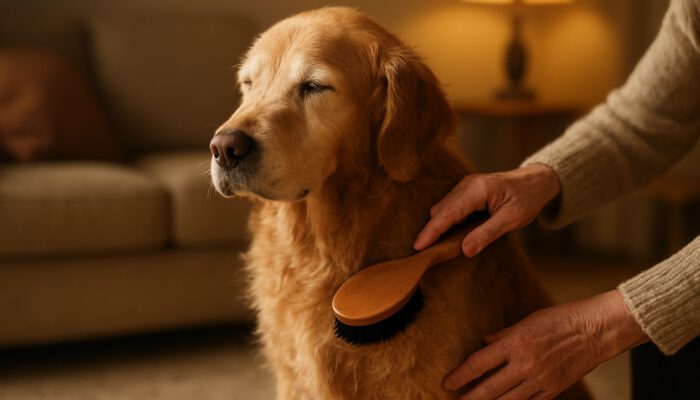
Skin and coat issues, including dryness, hair loss, or excessive shedding, often indicate hormonal disruptions in senior pets. These problems not only affect their appearance but also their comfort, highlighting the necessity of prompt attention to grooming and care practices to ensure their well-being.
Establishing regular grooming routines can help alleviate some of these concerns. Owners should consider consulting with veterinarians about appropriate grooming products and techniques that support skin and coat health, ensuring their pets feel comfortable and look their best at all times.
What Changes in Appetite and Thirst Should You Watch For?
Unanticipated increases or decreases in appetite, along with excessive thirst, can point to thyroid dysfunction in older pets. These changes disrupt normal metabolism and can lead to further complications if not carefully monitored and addressed promptly.
Pet owners should diligently observe their pets’ eating and drinking habits. Maintaining a daily log of food intake and water consumption can help identify patterns that may signal a need for veterinary intervention, ensuring that pets receive the necessary care to uphold their health.
What Factors Lead to Thyroid Imbalance in Senior Pets?
The Influence of Genetics on Thyroid Health
Genetic factors play a significant role in how the thyroid gland functions in senior pets. Certain breeds are particularly prone to thyroid imbalances, underscoring the importance for owners to be aware of their pet’s breed-specific vulnerabilities and to closely monitor their health throughout their lives.
Understanding these genetic predispositions enables the development of more effective long-term wellness strategies tailored to each pet’s needs. Owners can collaborate with veterinarians to create personalised care plans that address their pets’ unique requirements, ensuring proactive management of any potential health issues that may arise.
How Does Diet Influence Thyroid Gland Function?
Diet significantly impacts the health of the thyroid gland. Nutritional deficiencies or excesses can lead to irregular thyroid function, highlighting the importance of providing balanced nutrition that caters to the specific age-related needs of senior pets.
Pet owners should focus on offering high-quality, nutrient-dense diets that promote overall health and support thyroid function. Consulting with a veterinarian or a pet nutritionist is advisable to ensure that pets receive the appropriate levels of vitamins and minerals necessary for optimal thyroid health and overall well-being.
How Environmental Factors Affect Hormone Regulation in Ageing Pets
Environmental influences, combined with the natural ageing process, can significantly affect hormone regulation in older pets. Exposure to certain chemicals, pollutants, or even stressors can negatively impact thyroid function, affecting multiple body systems in subtle yet cumulative ways.
Creating a safe and healthy living environment is crucial for the well-being of ageing pets. Owners should be mindful of their pets’ surroundings, minimising exposure to harmful substances and ensuring comfort to effectively support overall health and hormone balance.
Professional Insights on Thyroid Imbalance in Senior Pets
Real-Life Instances of Effective Symptom Monitoring
Pet owners who maintain detailed records of their pets’ daily behaviours and physical changes can offer veterinarians invaluable data for accurate assessments and diagnoses. This practice can lead to tailored care plans that significantly enhance health outcomes over time.
For example, documenting a pet’s energy levels, appetite, and weight can uncover trends that may suggest thyroid concerns. Reviewing these logs with a veterinarian facilitates timely interventions that improve the overall health and well-being of ageing pets.
Expert Analysis of Advanced Hormonal Testing Techniques
Advanced diagnostic methods allow for precise evaluation of thyroid hormone levels, enabling targeted interventions that effectively address root causes. Blood tests can determine whether a pet’s thyroid function falls within normal ranges or if adjustments are necessary to restore balance.
Veterinarians can recommend specific hormone testing methodologies tailored to the individual needs of the pet. These tests aid in identifying imbalances early, allowing for proactive management and minimising unnecessary treatments that could compromise the pet’s well-being.
Practical Steps for Initial Thyroid Health Assessments
Regular home observations combined with professional veterinary evaluations create a proactive strategy for managing thyroid health. Owners should familiarise themselves with their pets’ normal behaviours and physical conditions to detect any changes promptly and accurately.
Scheduling veterinary check-ups every six months is crucial to ensure that any emerging issues are identified early. These appointments allow for comprehensive evaluations and provide opportunities for owners to discuss any health concerns regarding their pets, fostering a collaborative approach to care.
Exploring Medication Options and Necessary Adjustments
Veterinarians often prescribe specific medications, such as levothyroxine, for hypothyroidism in older pets. Regular adjustments based on blood tests ensure that optimal dosing is achieved, enhancing energy levels and preventing complications throughout the pet’s life.
Pet owners should collaborate closely with their veterinarians to monitor their pets’ responses to medication meticulously. This partnership helps refine treatment plans, ensuring that pets maintain a good quality of life as they navigate their later years.
Essential Preventive Strategies for Pet Owners
Early detection through routine screenings and awareness of breed predispositions facilitates timely interventions that can significantly slow disease progression. Pet owners should educate themselves about the signs of thyroid imbalance and prioritise regular veterinary visits to keep their pets healthy.
Implementing preventive measures, such as ensuring a balanced diet and cultivating a stress-free environment, can greatly enhance the quality of life for ageing pets. These proactive strategies contribute to better overall health and longevity for beloved companions.
How Does Diet Affect Thyroid Health in Pets?
Key Nutrients Vital for Supporting Thyroid Hormonal Function
Essential minerals and vitamins are critical for maintaining proper thyroid gland activity. Nutrients such as iodine, selenium, and zinc are particularly important for hormone production and regulation, helping to stabilise metabolism in ageing pets and ensuring their continued health.
Pet owners should prioritise providing a balanced diet that includes these essential nutrients. Consulting with a veterinarian can help ensure that pets receive the necessary levels of these minerals and vitamins to support thyroid function and overall health throughout their lives.
Which Foods Should Be Included or Avoided for Optimal Thyroid Health?
Certain ingredients in pet food can promote thyroid balance, while others may hinder hormone production. Making informed dietary choices is crucial to supporting endocrine function in the daily feeding of senior pets.
Foods rich in omega-3 fatty acids, antioxidants, and high-quality proteins can significantly bolster thyroid health. Conversely, ingredients like soy and certain fillers may adversely affect hormone regulation, making it essential for pet owners to scrutinise labels and choose wisely when selecting pet food.
The Importance of Hydration in Supporting Thyroid Function
Sufficient water intake is vital for overall health, including the proper function of the thyroid. Adequate hydration aids in nutrient absorption and waste elimination, thereby supporting thyroid efficiency in older pets and contributing to their overall well-being.
Pet owners should ensure their pets have constant access to fresh water at all times. Monitoring water intake can help identify potential health issues early, as changes in drinking habits may indicate underlying problems that require veterinary attention and timely intervention.
Effective Strategies for Managing Thyroid Imbalance in Senior Pets
Establishing Practical Monitoring Routines
Creating consistent schedules for veterinary check-ups and record-keeping helps track progress and optimise health outcomes. Pet owners can develop straightforward routines that include daily observations of their pets’ behaviours and physical conditions to enhance care.
For instance, maintaining a checklist of symptoms noted during walks or playtime can provide valuable insights. This evidence-based approach facilitates timely adjustments in care and treatment, ensuring the overall well-being of ageing pets and providing them with the best possible care.
Actionable Steps for Lifestyle Adjustments to Support Thyroid Health
Simple changes to exercise and rest schedules can significantly complement medical care, promoting improved well-being in ageing pets. Regular exercise, tailored to each pet’s abilities, can help maintain muscle tone and effectively support healthy weight management.
Creating a comfortable resting environment is equally important for senior pets. Providing cosy spots for relaxation and ensuring pets have ample quiet time can greatly enhance their quality of life, allowing them to rest and enjoy their golden years in comfort.
Expert Guidance on Integrating Supplements for Thyroid Support
Careful selection and dosing of supportive products, based on professional advice, can enhance standard treatment protocols for pets with thyroid imbalances. Supplements such as omega-3 fatty acids or specific vitamins may offer additional benefits for pets facing thyroid-related health challenges.
Pet owners should consult with veterinarians before introducing new supplements into their pet’s regimen. This ensures that selected products are appropriate for their pets’ specific needs and can effectively support their overall health without causing adverse effects.
When Should You Seek Veterinary Advice Regarding Thyroid Health?
Key Early Warning Signs to Observe in Your Pet
Subtle changes in appetite or mood often necessitate professional evaluation. Changes that may appear minor initially can indicate deeper complications, making it essential for owners to remain observant and proactive in seeking veterinary advice when necessary.
If a pet exhibits unusual behaviours, such as increased aggression or withdrawal, it may be time to consult a veterinarian. Early intervention can prevent conditions from worsening, ensuring pets receive the necessary care promptly to maintain their health.
The Importance of Regular Examinations for Senior Pets
Scheduled veterinary visits every few months are crucial for maintaining oversight of a senior pet’s health. Regular check-ups allow veterinarians to monitor changes over time, ensuring timely interventions that protect against unexpected developments related to thyroid health.
Pet owners should prioritise these routine examinations, as they provide opportunities for veterinarians to assess overall health and identify any potential issues early. This proactive approach is essential for maintaining the well-being of ageing pets throughout their lives.
The Benefits of Follow-Up Appointments for Enhancing Health Outcomes
Regular follow-up consultations enable adjustments to management strategies based on observed changes in pets’ health. These visits allow veterinarians to modify treatment plans as needed, leading to more effective management of thyroid imbalances and other health concerns.
Pet owners should view these follow-up visits as an integral part of their pet’s health journey. Consistent communication with veterinarians enhances the overall quality of care, ultimately contributing to longer, healthier lives for their cherished companions.
Exploring Comprehensive Treatment Options and Recovery Pathways
Overview of Medication Protocols for Thyroid Management
Prescription therapies specifically target thyroid imbalances, restoring normal function through controlled administration. Medications such as levothyroxine are commonly prescribed, with regular reviews ensuring ongoing efficacy and safety for ageing pets.
It is crucial for pet owners to adhere closely to their veterinarian’s instructions regarding medication dosages and schedules. This diligence fosters optimal thyroid function and supports overall health, allowing pets to thrive in their senior years and enjoy their time with their families.
How to Monitor Progress During Recovery from Thyroid Imbalance
Pet owners play a vital role in observing improvements in their pets’ energy levels and overall appearance. Providing feedback to veterinarians facilitates necessary refinements to care plans, ensuring steady progress towards stability and well-being.
Regular check-ins with veterinarians allow for adjustments to treatment protocols based on observed changes. This collaborative approach helps guarantee that pets receive the most effective care, promoting recovery and significantly enhancing their quality of life.
Long-Term Management Strategies for Sustaining Thyroid Health
Ongoing attention to diet, exercise, and regular veterinary check-ups supports sustained wellness in ageing pets. Establishing a routine that includes nutritious eating, appropriate physical activity, and consistent veterinary visits can help prevent relapses and foster a comfortable life for senior pets.
Pet owners should take an active role in ensuring their pets’ health. By remaining informed about their pets’ needs and collaborating closely with veterinarians, they can ensure their furry companions enjoy their golden years to the fullest, with health and happiness at every step of the way.
Integrating Alternative Therapies for Comprehensive Care
Incorporating complementary approaches, such as acupuncture or physical therapy, can enhance traditional treatments for pets with thyroid imbalances. These alternative therapies may improve mobility, alleviate discomfort, and holistically support overall recovery, addressing various aspects of pets’ health.
Pet owners should discuss these options with their veterinarians to determine the most suitable integrative strategies for their pets. This collaborative approach can lead to more comprehensive care, ensuring that all aspects of a pet’s health are effectively addressed and supported.
Frequently Asked Questions About Thyroid Health in Pets
What Symptoms Indicate Thyroid Imbalance in Senior Pets?
Signs of thyroid imbalance may encompass noticeable weight fluctuations, changes in energy and behaviour, skin and coat issues, as well as alterations in appetite and thirst. Promptly recognising these symptoms can facilitate timely veterinary intervention and care.
How Can I Monitor My Pet’s Thyroid Health at Home?
Regularly track your pet’s weight, eating habits, energy levels, and any behavioural changes. Keeping a journal can help you identify patterns that may indicate thyroid issues, enabling proactive consultations with your veterinarian for timely action.
What Dietary Changes Can Enhance Thyroid Health in Pets?
Focus on providing a balanced diet rich in essential nutrients like iodine, selenium, and omega-3 fatty acids. Consulting with your veterinarian is crucial to ensure your pet’s diet meets their specific requirements for optimal thyroid function and health.
How Often Should Senior Pets Visit the Veterinarian for Thyroid Health Monitoring?
Senior pets should have veterinary check-ups every six months or as advised by your veterinarian. Regular visits are essential for monitoring their health and catching potential issues early to provide timely care.
Which Medications Are Commonly Prescribed for Thyroid Issues in Pets?
Levothyroxine is frequently prescribed for hypothyroidism in pets. Regular blood tests assist veterinarians in adjusting dosages to ensure optimal thyroid function and overall health for ageing pets.
Can Thyroid Issues in Pets Be Prevented?
While not all thyroid issues can be prevented, early detection through routine screenings and awareness of breed predispositions can significantly slow disease progression and improve quality of life for pets.
What Role Does Hydration Play in Supporting Thyroid Health?
Adequate hydration is crucial for overall health, including thyroid function. Proper water intake aids nutrient absorption and waste elimination, indirectly supporting thyroid efficiency in older pets and enhancing their overall well-being.
Are Alternative Therapies Available for Managing Thyroid Imbalance?
Yes, alternative therapies such as acupuncture and physical therapy can complement traditional treatments. These therapies may enhance mobility and reduce discomfort, supporting overall recovery in pets with thyroid-related health issues.
How Can I Support My Pet’s Recovery from Thyroid Treatment?
Closely monitor your pet’s progress and provide feedback to your veterinarian. Follow prescribed medication protocols, maintain a balanced diet, and ensure regular check-ups to effectively support their recovery and promote their well-being.
When Should I Be Concerned About My Pet’s Thyroid Health?
If you notice significant changes in your pet’s appetite, energy levels, or behaviour, consult a veterinarian. Early intervention can prevent complications and ensure better health outcomes for your cherished pet.
Join our Facebook community today!
The Article Thyroid Imbalance In Older Pets: Causes And Care Tips First Published On https://elgatoencasa.com
The Article Thyroid Imbalance in Older Pets: Causes and Care Strategies Was Found On https://limitsofstrategy.com
The Article Thyroid Imbalance in Older Pets: Causes and Care Tips found first on https://electroquench.com